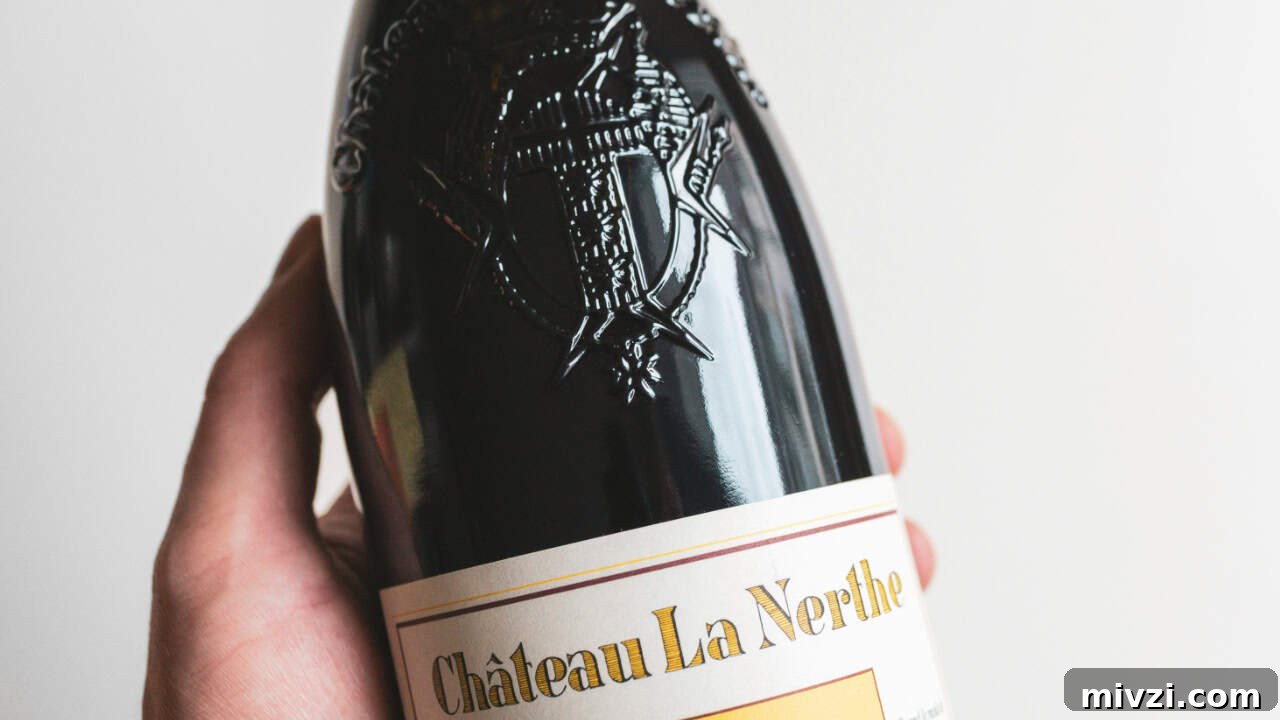
French wine is synonymous with tradition, quality, and variety. From the chalky slopes of Champagne to the sun-baked hills of Provence, France produces wines to match virtually every meal and occasion. Below are 17 French wines—each described with why it works and what to pair it with—so you can choose the ideal bottle for anything from casual gatherings to special celebrations.
Table of Contents
1. Champagne for Celebrations
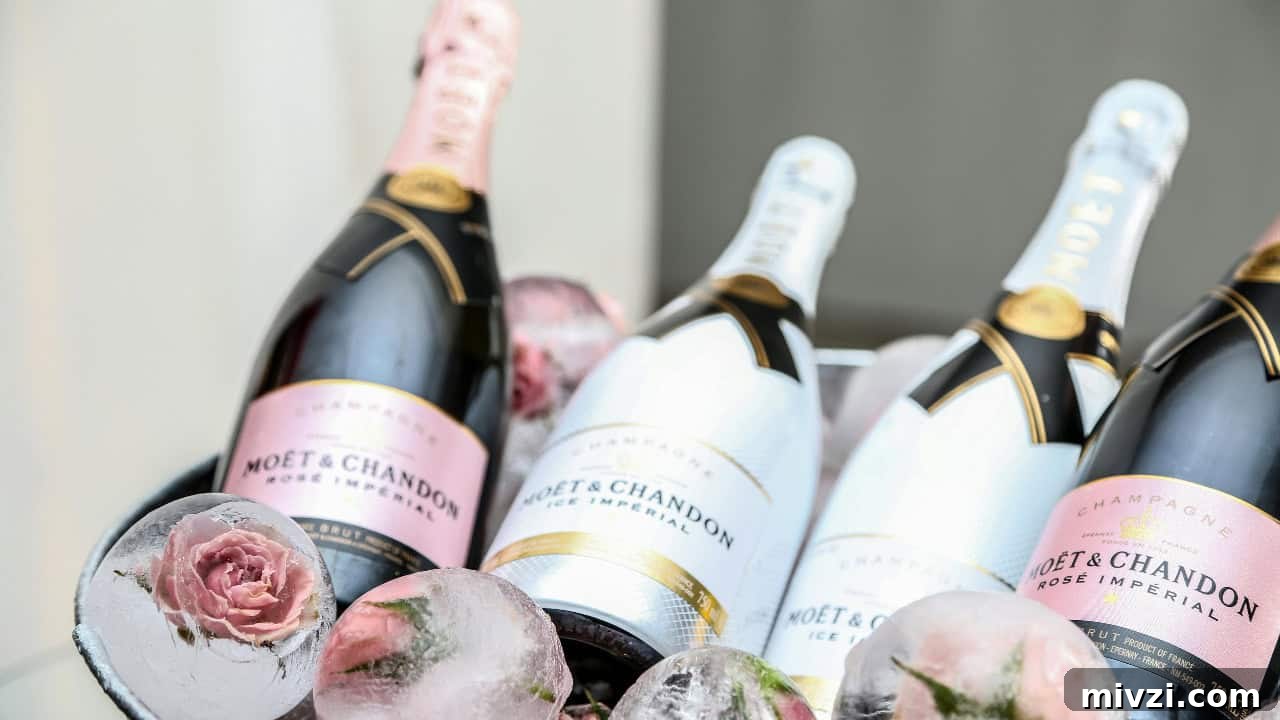
Champagne is the classic choice for toasts and milestones. Its bright acidity and fine bubbles refresh the palate and pair well with everything from seafood canapés to fried snacks. Styles range from crisp, non-vintage blends to rich, aged vintages. For milestone events, vintage cuvées from top houses showcase depth and complexity.
2. Chablis for Seafood Dinners
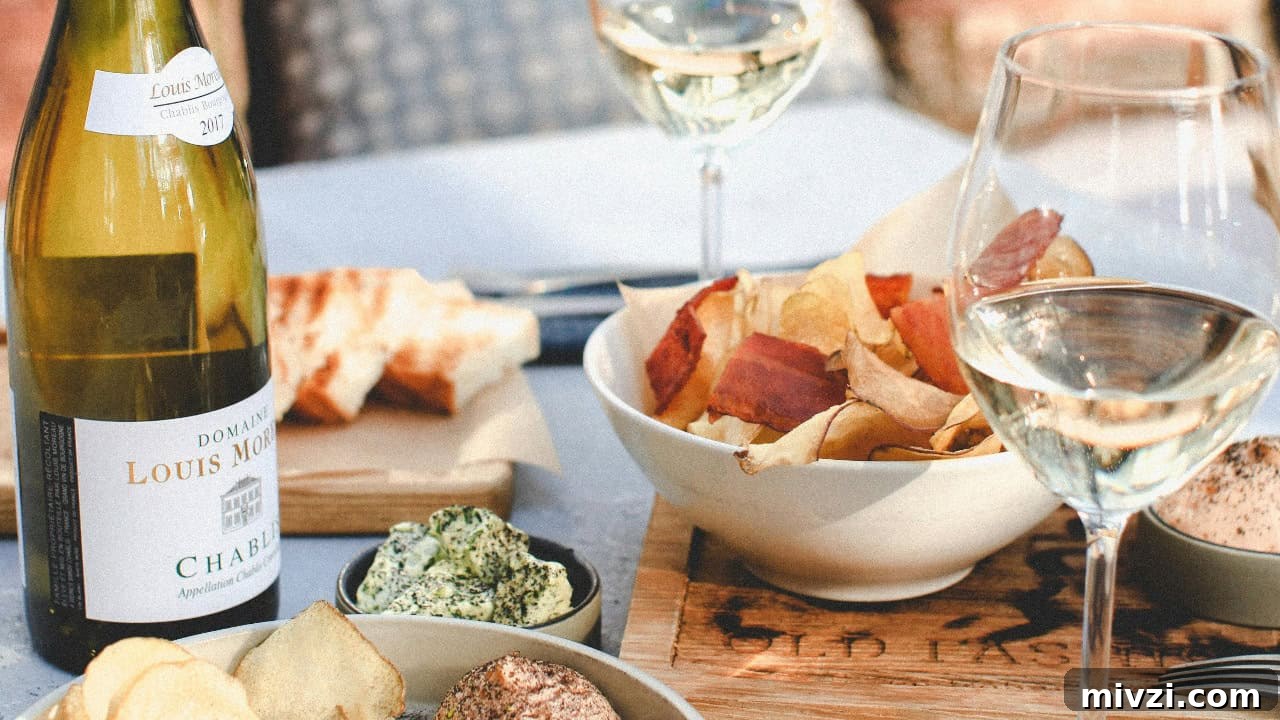
Chablis, made from Chardonnay in northern Burgundy, is prized for its steely acidity and mineral character. Its freshness and bright citrus notes make it an ideal companion to oysters, scallops, and delicate white fish. Chill and serve to let the wine’s crispness shine alongside shellfish and lemon-forward sauces.
3. Sancerre for Summer Picnics
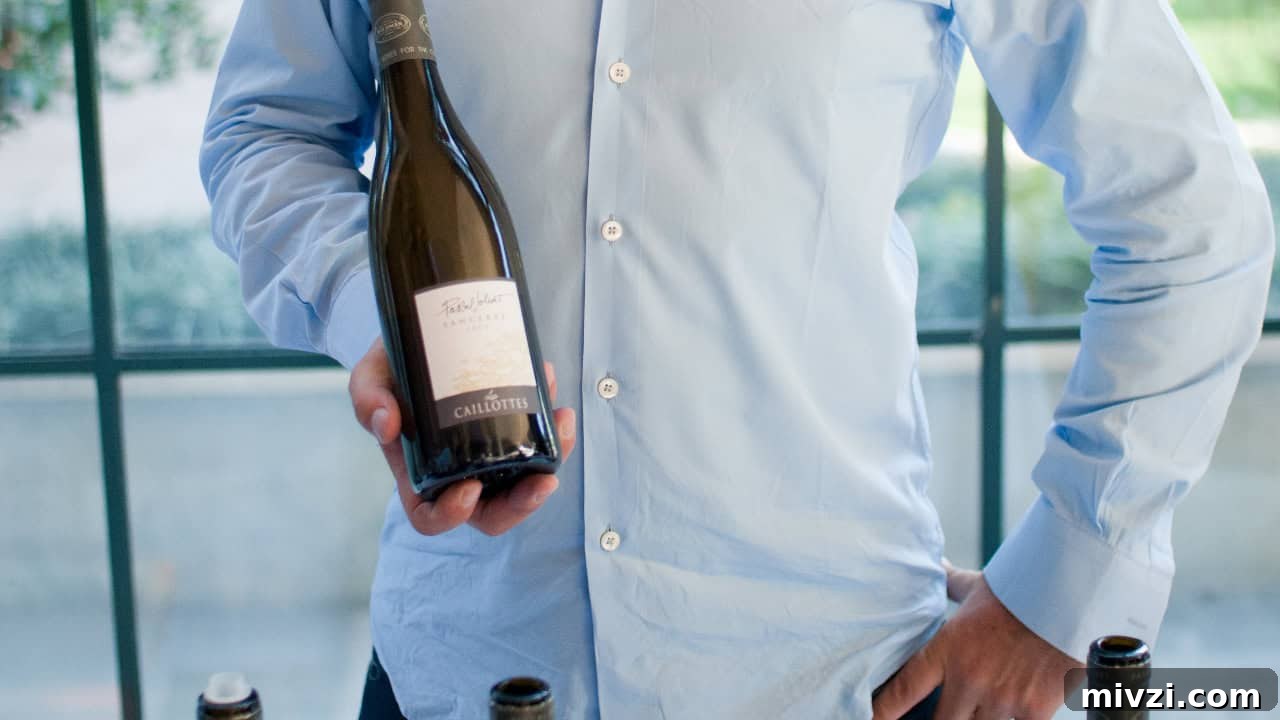
Sancerre, a Loire Valley Sauvignon Blanc, is light, aromatic, and refreshing—perfect for picnics. Expect citrus, green herbs, and gooseberry notes with lively acidity. It pairs well with fresh salads, goat cheese, and grilled chicken. Pack chilled bottles for a bright, palate-cleansing option on warm days.
4. Rosé from Provence for Poolside Relaxation
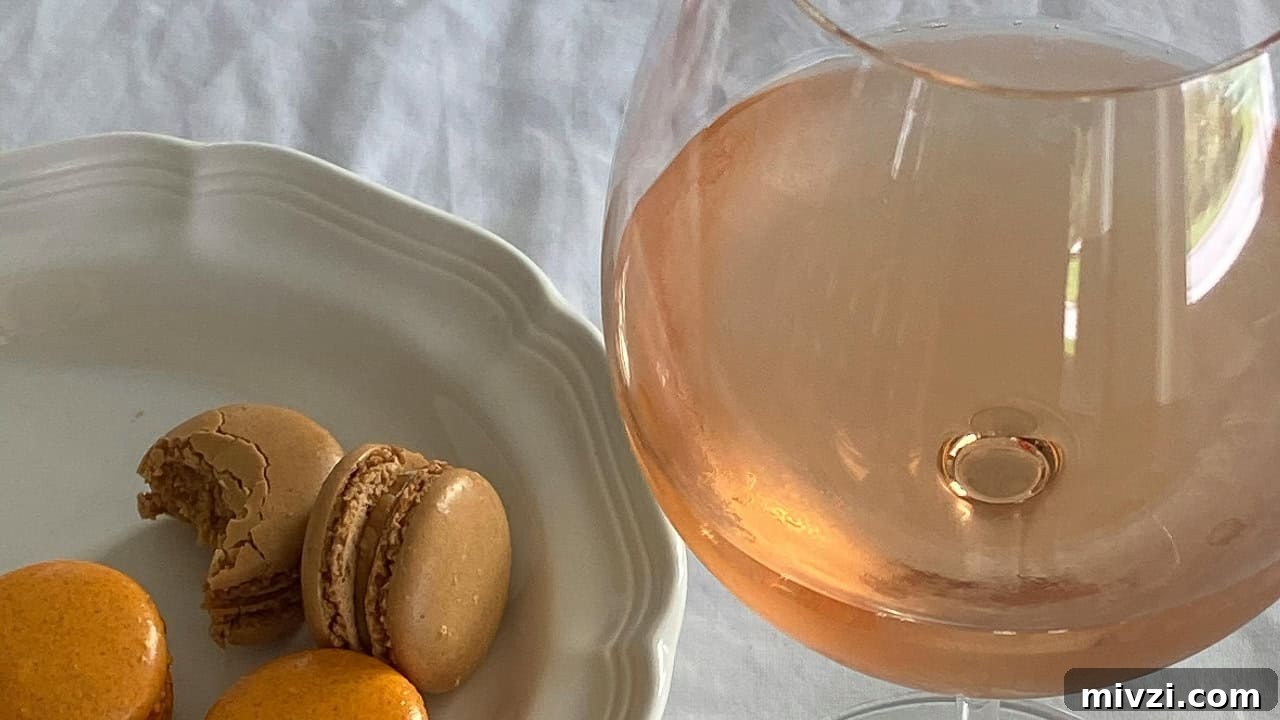
Provence rosés offer pale color, crisp acidity, and delicate fruit—ideal for lazy afternoons by the pool. Typically dry and made from varieties like Grenache, Cinsault, and Syrah, these wines are elegant, easy to sip, and pair beautifully with light salads, seafood, and Mediterranean cuisine.
5. Beaujolais for Casual Dinners
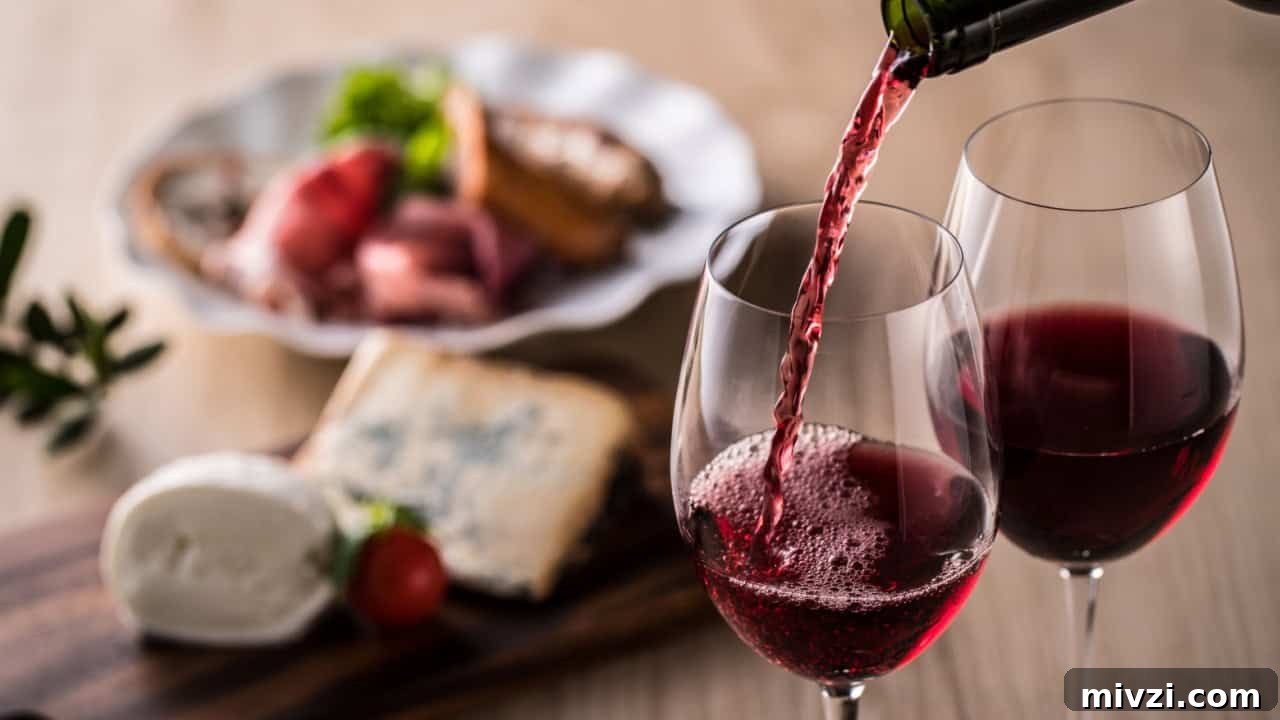
Beaujolais, made from Gamay, is youthful, fruity, and low in tannins—making it perfect for relaxed weeknight meals. Its bright red-fruit character complements roasted chicken, pasta, pizza, and vegetable dishes. Serve slightly chilled for the freshest impression.
6. Côte-Rôtie for Special Occasions
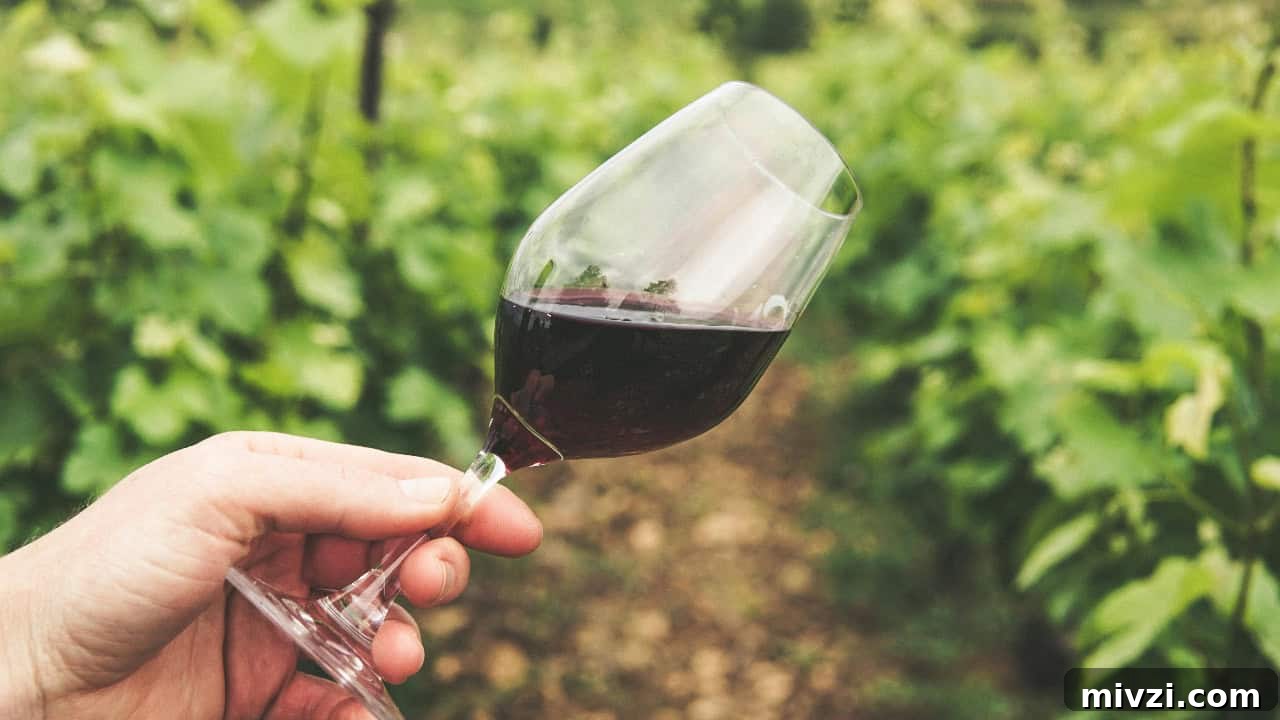
Côte-Rôtie from the northern Rhône produces Syrah-driven wines that are powerful, structured, and nuanced. Often blended with a small percentage of Viognier, these wines show dark fruit, spice, and floral notes with firm tannins—perfect for special dinners when you want a wine to linger and evolve in the glass.
7. Muscadet for Seafood Lunches
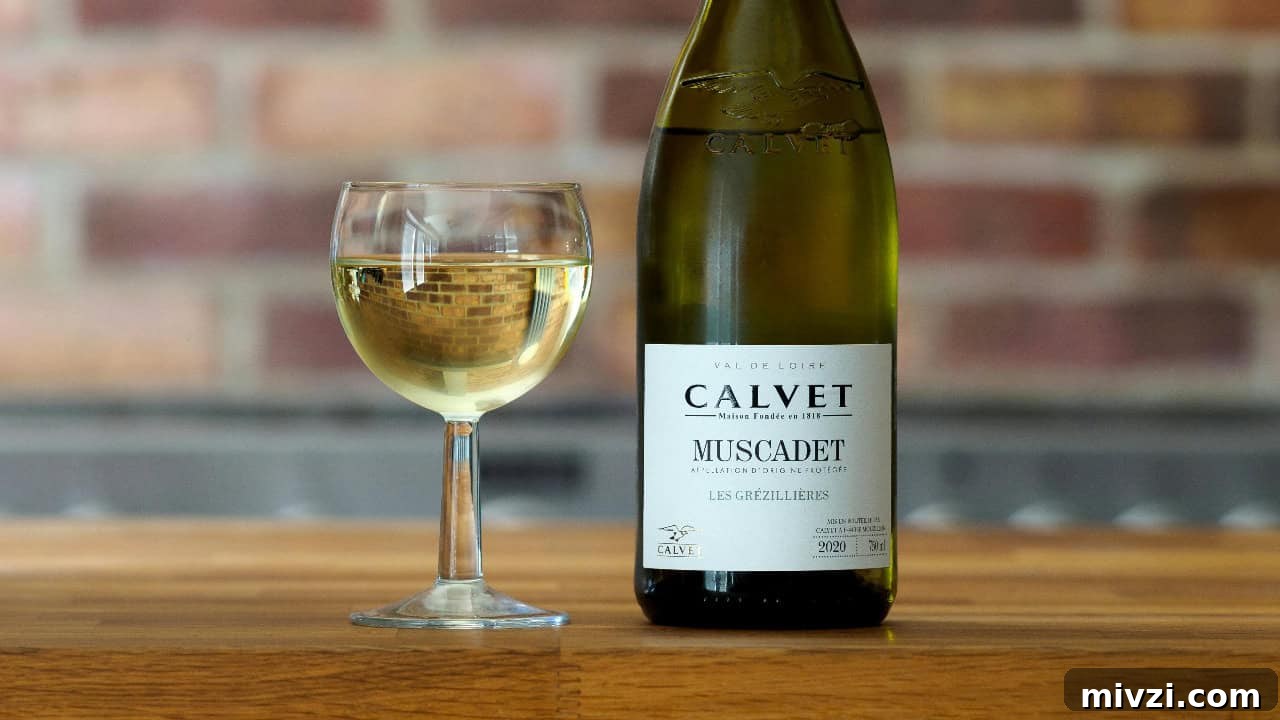
Muscadet, from the Loire’s Atlantic coast, is lean, saline, and citrusy—ideal with oysters and shellfish. Often aged on lees, it can gain a subtle creaminess that balances its brisk acidity, making it an excellent pairing for simple seafood lunches.
8. Côtes du Rhône for Barbecues
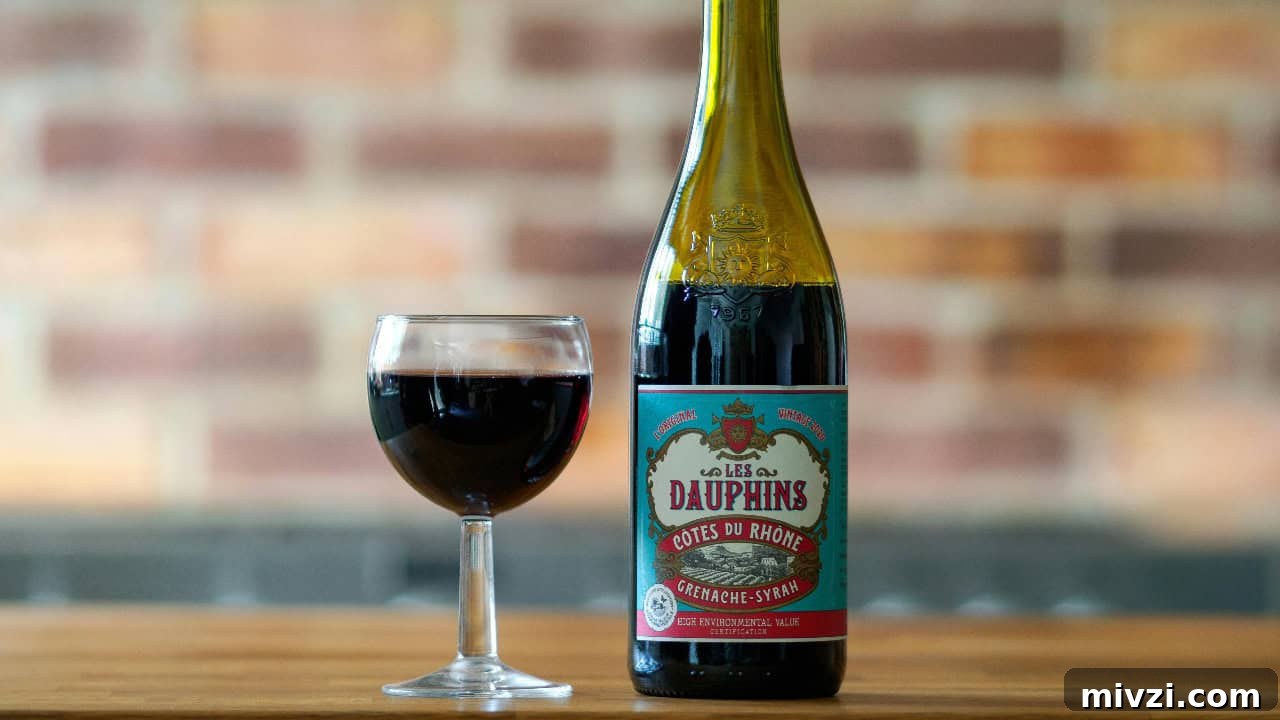
Côtes du Rhône blends (typically Grenache, Syrah, Mourvèdre) are medium-bodied, fruit-forward, and spice-driven—great with grilled meats and smoky flavors. They’re versatile, crowd-pleasing, and usually excellent value for outdoor meals and casual gatherings.
9. Alsace Riesling for Spicy Foods
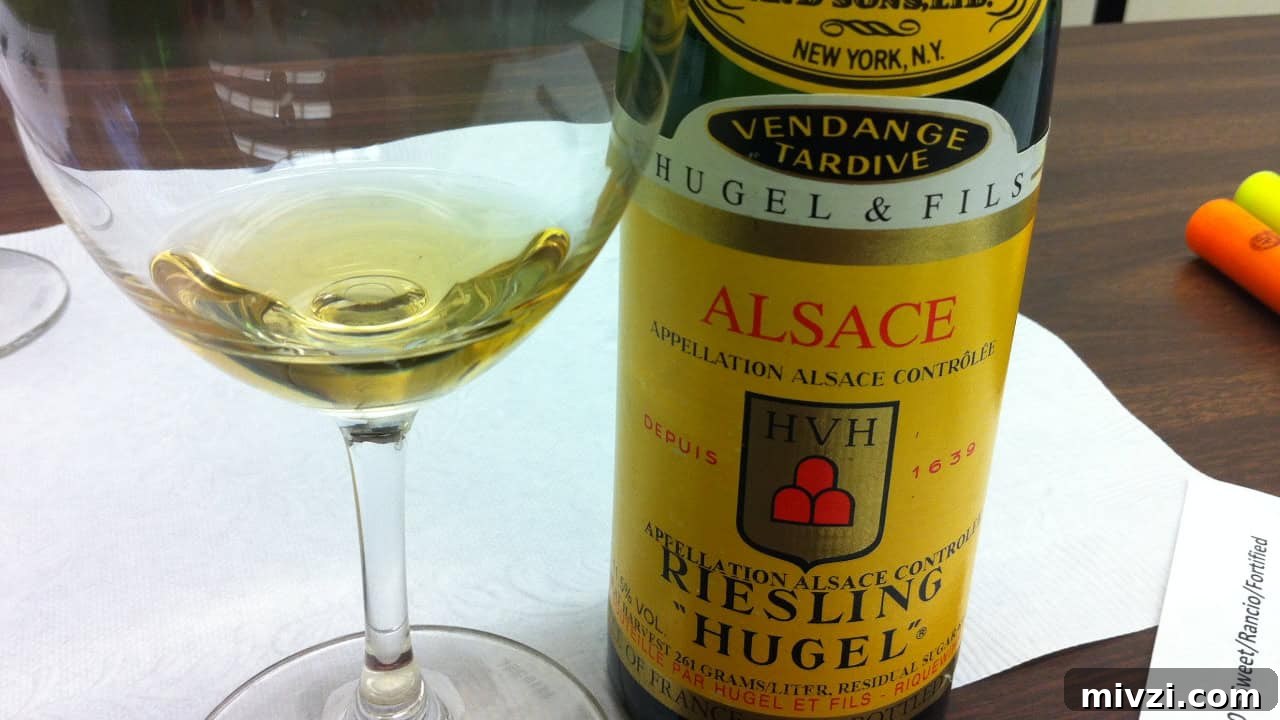
Dry Riesling from Alsace combines high acidity, precision, and mineral notes that stand up to spicy and aromatic cuisines. Its clarity and citrus-driven profile help balance heat while complementing bold flavors from Southeast Asian and Indian dishes.
10. Bordeaux for Steak Dinners
Bordeaux reds—typically blends of Cabernet Sauvignon, Merlot, and Cabernet Franc—offer tannic structure, dark fruit, and savory notes that complement grilled or pan-seared steaks. Choose fuller-bodied Left Bank styles for age-worthy power or Right Bank wines for softer, fruit-forward balance.
11. Crémant for Budget-Friendly Bubbles
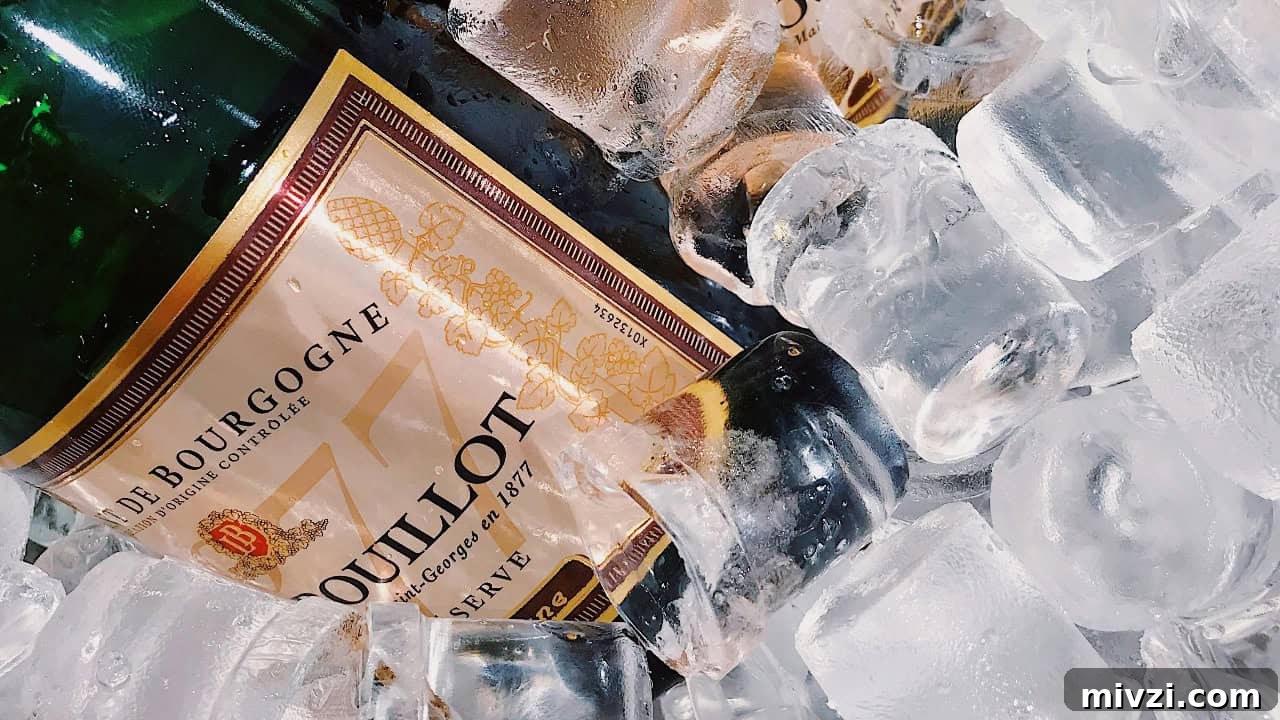
Crémant is produced in several French regions using the traditional method that creates Champagne’s fine bubbles, but often at a lower price. From Crémant d’Alsace to Crémant de Bourgogne, these wines deliver finesse and value for celebrations and everyday toasts.
12. Bandol Rosé for Beach Days
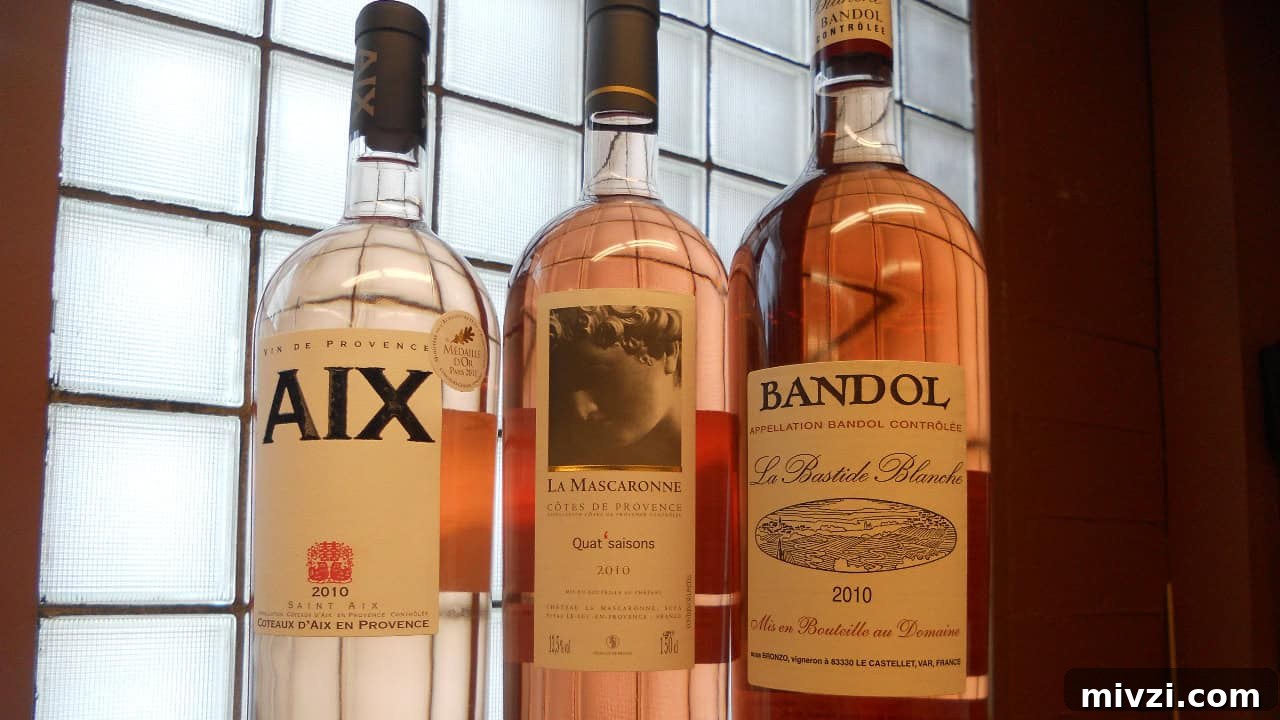
Bandol rosés, often based on Mourvèdre, are fuller-bodied and more substantial than many Provençal rosés. Their ripe red-fruit and savory notes make them excellent for seaside lunches and grilled fish or richer salads when you want a rosé with more presence.
13. Côte de Beaune for Poultry Dinners
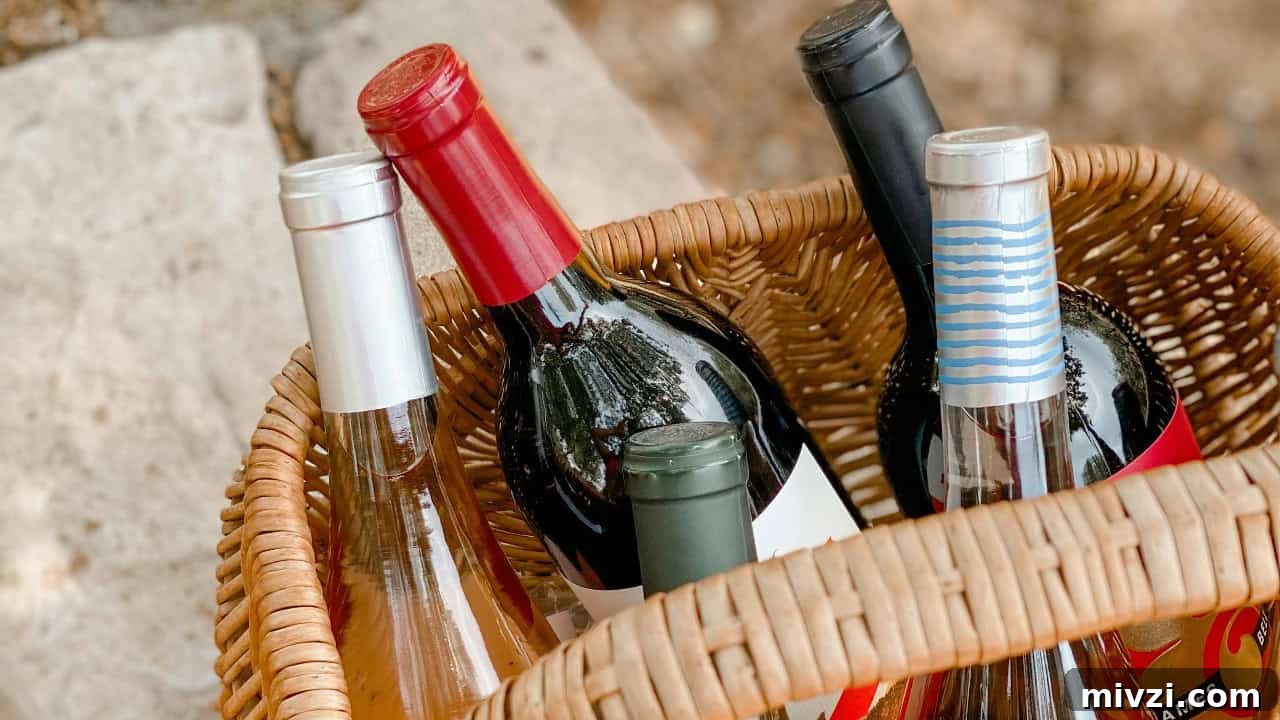
Côte de Beaune Chardonnays show ripe fruit, creamy texture, and gentle oak influence—excellent with roasted or sautéed poultry. Their balance of richness and acidity supports buttered sauces, mushroom accompaniments, and classic poultry preparations.
14. Chinon for Vegetarian Dishes
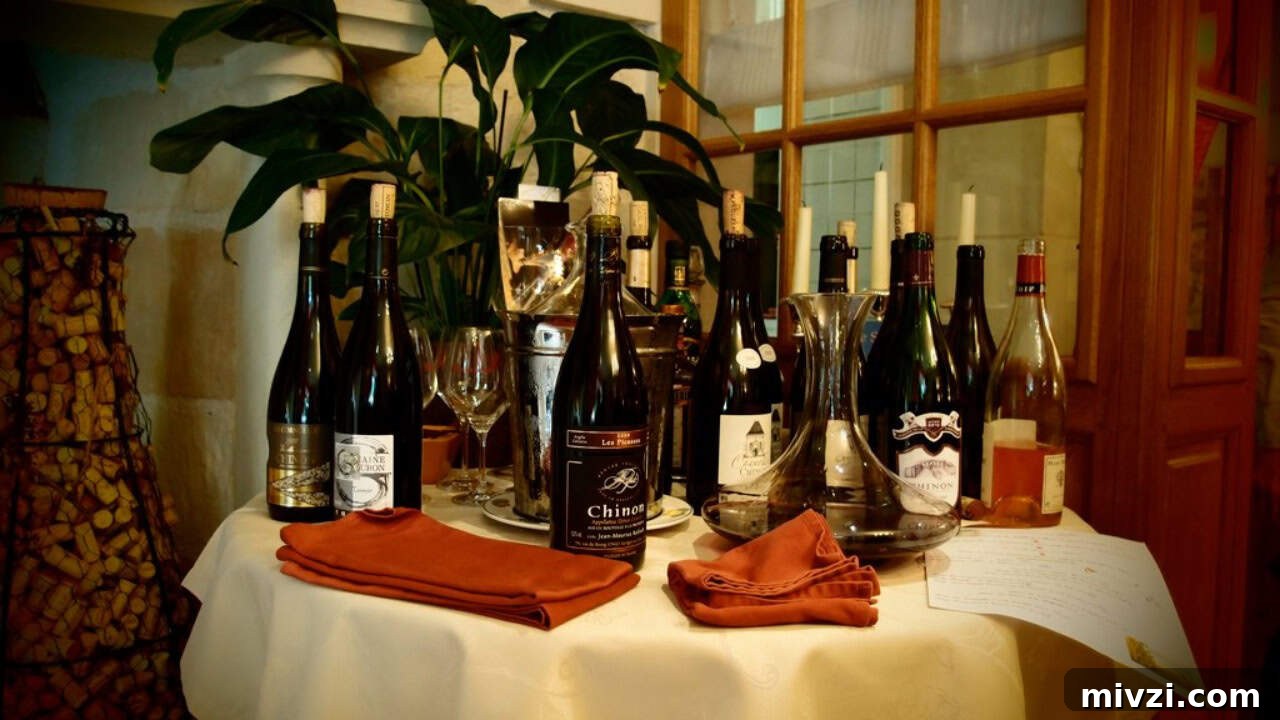
Chinon, from the Loire and made with Cabernet Franc, is light, herbaceous, and food-friendly. Its red-fruit and slight vegetal notes pair nicely with roasted vegetables, grain bowls, and dishes featuring mushrooms or lentils—making it a reliable choice for vegetarian fare.
15. Cahors for Game Meats
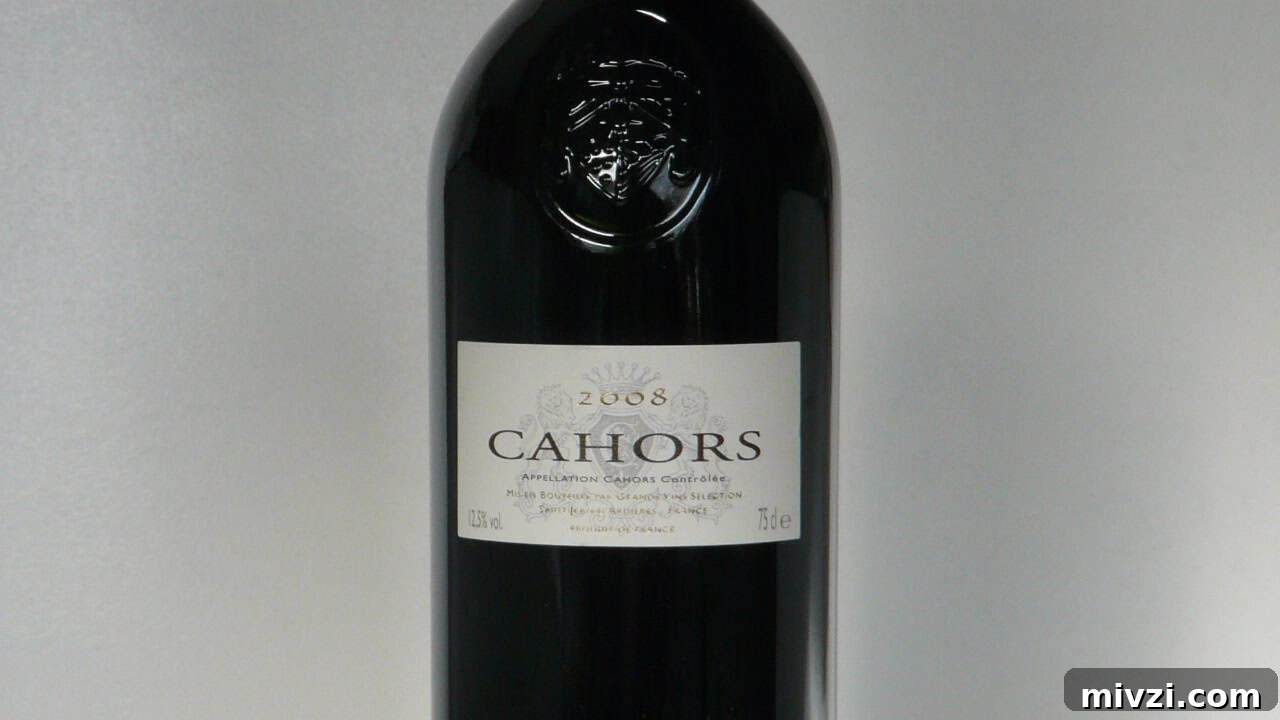
Cahors, the historic home of Malbec, produces dark, robust wines with firm tannins and earthy spice. These qualities make Cahors an excellent match for game and richly flavored stews, where the wine’s weight and rustic character complement hearty ingredients.
16. Vouvray for Asian Cuisine
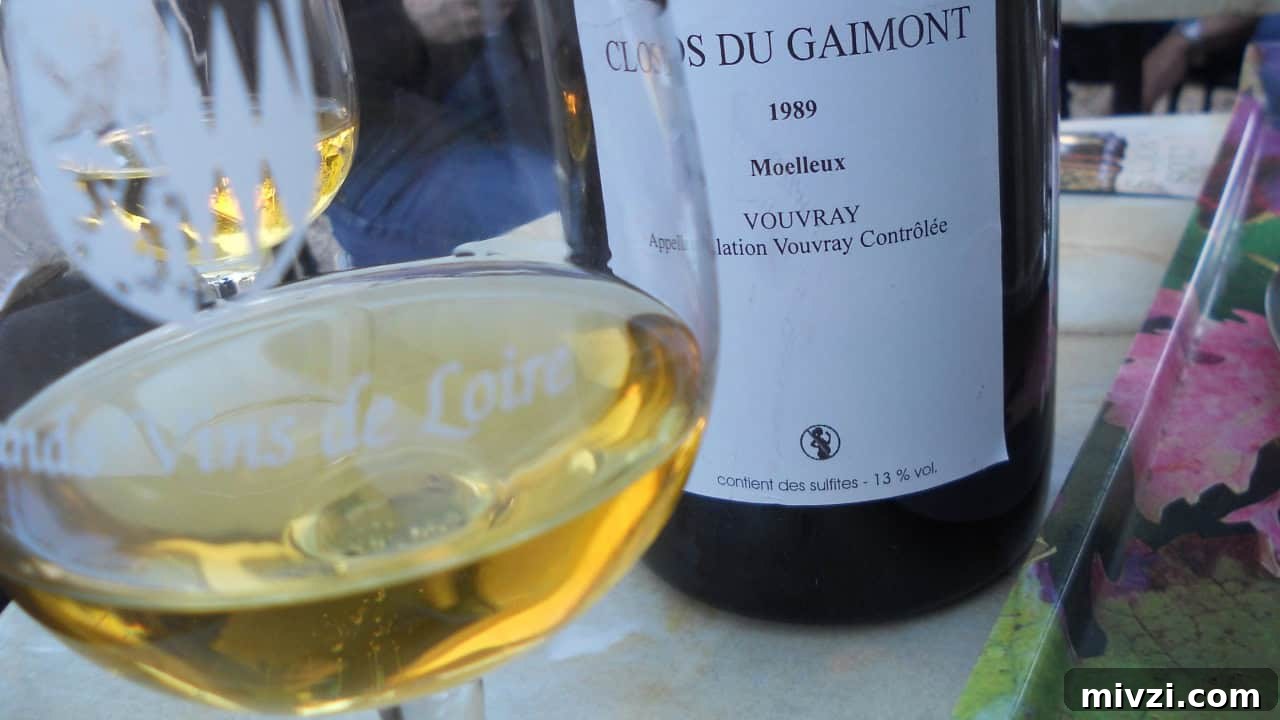
Vouvray, made from Chenin Blanc, can range from dry to sweet and is prized for its acidity and fruit-forward character. Off-dry styles work especially well with many Asian dishes by balancing sweet, sour, and spicy flavors while remaining bright and lively.
17. Banyuls for Dessert
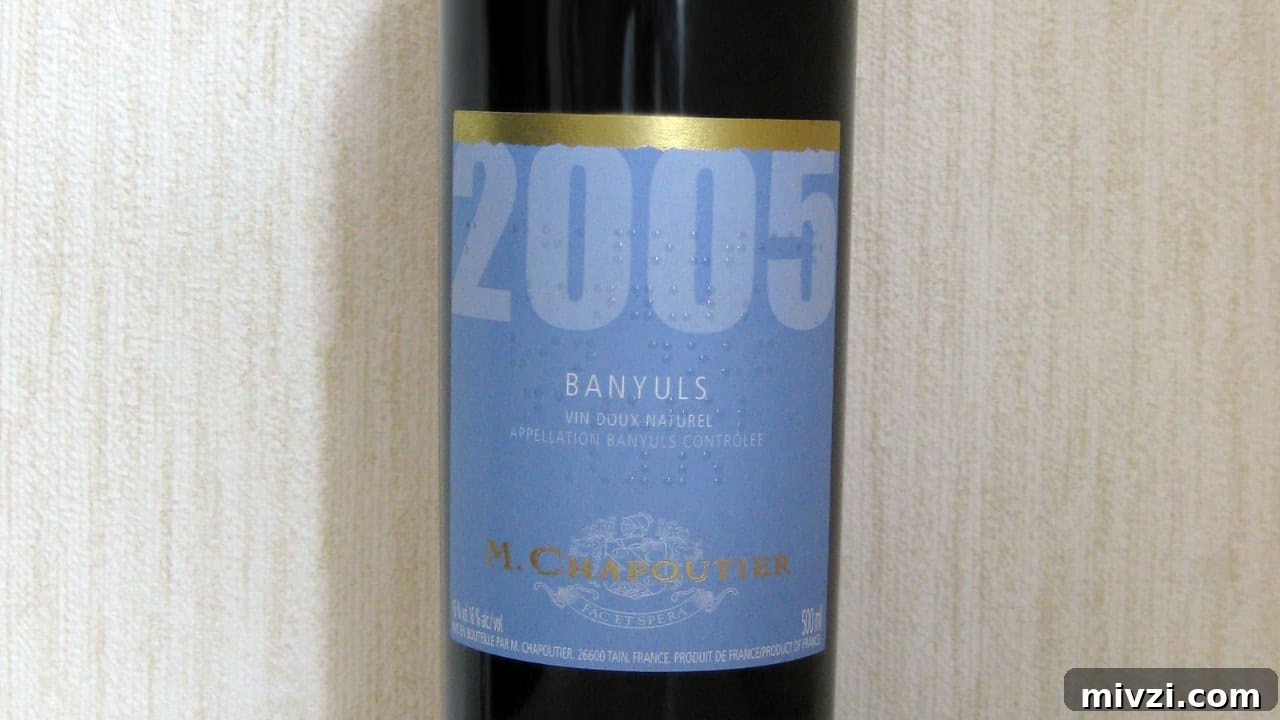
Banyuls is a fortified sweet wine from Roussillon with rich notes of dried fruit, chocolate, and spice. It’s a classic pairing for chocolate desserts and rich puddings; its sweetness and depth make it a satisfying finish to a meal.
Whether you prefer sparkling, white, rosé, or red, French wine offers a style for every table and taste. Use these pairings as a guide when selecting a bottle for your next meal or celebration.