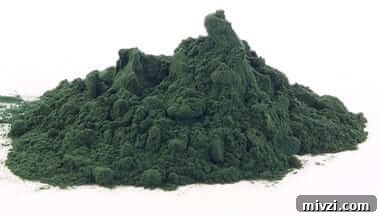
Have you heard of spirulina and the attention it’s received for potential health benefits? Spirulina is a blue-green microalgae frequently taken as a dietary supplement. While some headlines promote it as a remedy for major illnesses, those claims are not yet conclusively proven. What is clear is that spirulina contains a variety of nutrients that can support overall health. Until stronger clinical evidence is available, it’s best to consider spirulina as a nutrient-rich supplement that may contribute to wellbeing when used appropriately.
Here are some spirulina health benefits:
Natural vitamin supplement
Spirulina is a good source of several nutrients, including beta-carotene and other carotenoids. These compounds provide antioxidant activity that can help protect cells from oxidative stress. That antioxidant content is one of the more realistic and evidence-supported benefits of spirulina. People often take spirulina for these nutrient and antioxidant contributions rather than for unproven miracle cures.
It may aid in weight loss
The word here is “may.” Although spirulina appears as an ingredient in some weight-loss products, definitive scientific proof that it directly causes significant weight loss is limited. One plausible explanation for its potential effect is that spirulina supplies nutrients that can reduce nutrient-driven cravings. When the body’s micronutrient needs are better met, people may experience fewer cravings for unhealthy foods, which can indirectly support weight management.
It could help prevent cancer
Again, “could” is the appropriate qualifier. Research into spirulina’s anti-cancer properties is preliminary. It is not a cure for cancer, and current evidence is not strong enough to claim it prevents cancer in humans. However, because spirulina contains antioxidants and bioactive compounds, researchers have explored its potential to reduce factors that contribute to cancer development. As a preventive supplement, it may offer some protective effects, but more rigorous studies are needed.
It can lower blood pressure and cholesterol
Some studies suggest spirulina may help lower blood pressure and improve cholesterol profiles. These effects could be beneficial for cardiovascular health when combined with a heart-healthy lifestyle. Nevertheless, spirulina is not a replacement for prescribed medications or medical advice. Always consult your physician before adding spirulina to your regimen, particularly if you are taking other medications or have existing health conditions, since interactions or contraindications are possible.
Some things you need to take note of:
Spirulina is not suitable for everyone. Although it is a natural algae-based supplement, some individuals can experience allergic reactions. Because allergic responses can be serious, consult your healthcare provider before starting spirulina. Even with doctor approval, monitor for side effects such as muscle pain, headache, excessive sweating, or insomnia. If you develop any of these symptoms, stop taking the supplement and contact your physician; severe reactions may require medical attention.
Remember that “natural” does not always mean harmless. Individual responses to supplements vary, and what works well for one person may not be appropriate for another. Use spirulina cautiously, follow professional guidance, and treat it as a complementary option rather than a proven cure.