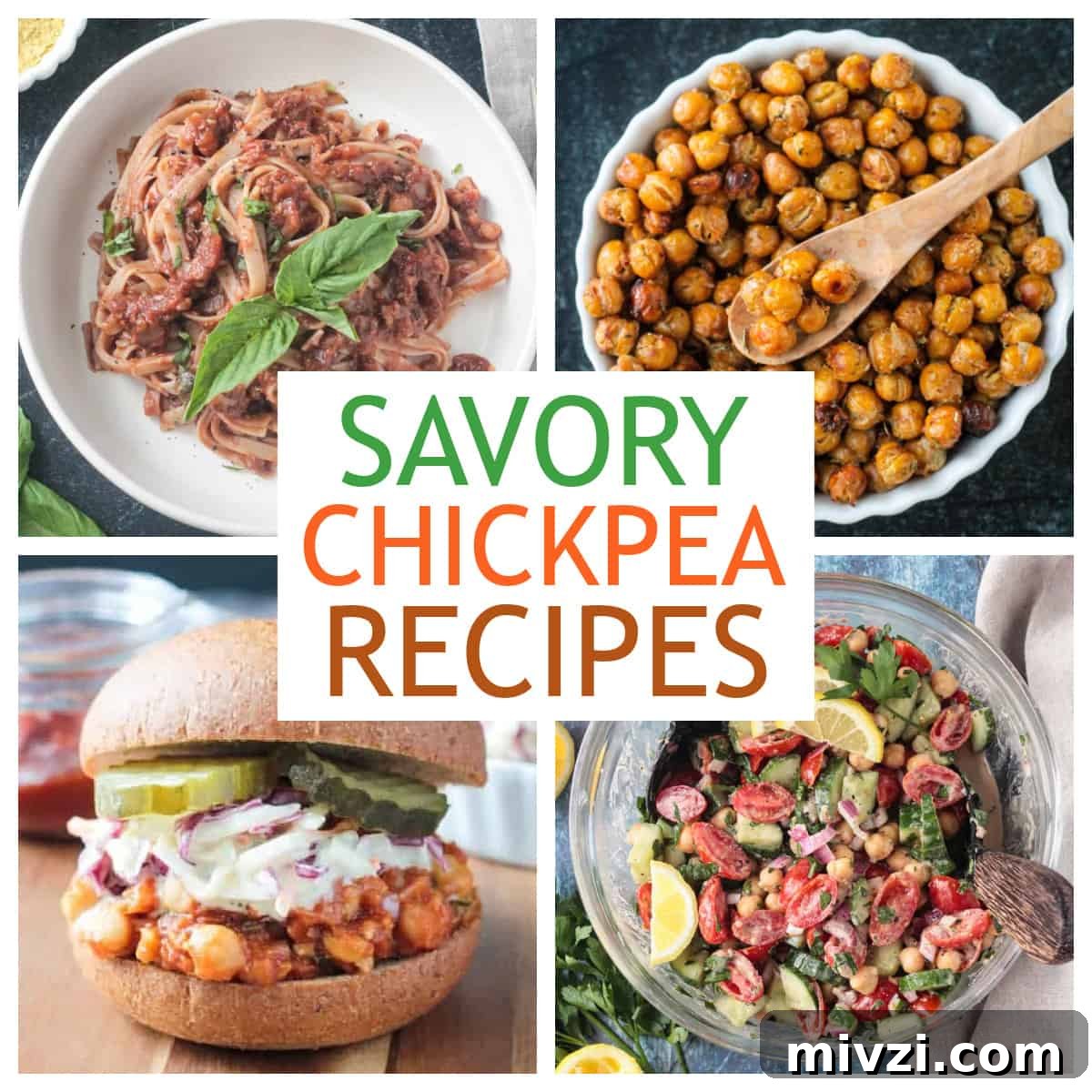
Chickpeas are affordable, nutritious, and incredibly versatile—far more than just an ingredient for hummus. This collection of creative vegan chickpea recipes will inspire you to use this humble legume in breakfasts, lunches, dinners, snacks, and even some sweet treats. Read on for tips on buying, cooking, storing, and enjoying chickpeas, plus a wide range of recipe ideas to put them to work in your kitchen.
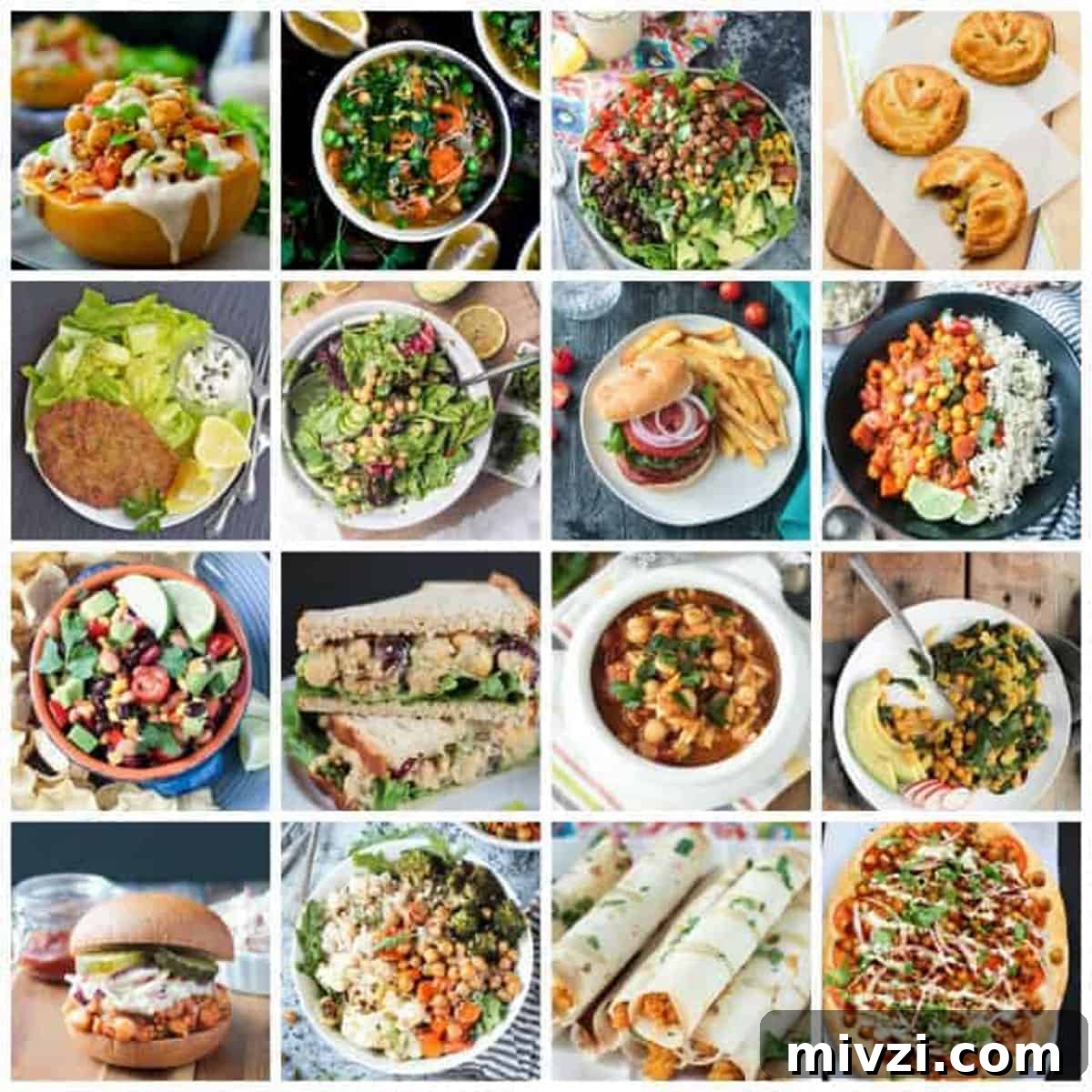
Chickpeas easily boost the heartiness and protein content of meals—add a cup or two to salads, grain bowls, soups, or sautés. They work well for breakfast, lunch, dinner, and snacks, and can even be used in creative desserts.
Explore this collection of savory vegan chickpea recipes and discover new ways to cook with garbanzo beans.
What are chickpeas?
Chickpeas, also known as garbanzo beans, are legumes widely available in grocery stores. You’ll find dried chickpeas in bulk bins or packaged with other dried beans, and pre-cooked chickpeas in cans in the canned goods aisle. Some stores also sell pre-steamed chickpeas in the produce section.
In different regions and stores they may be labeled as chana, bengal gram, Egyptian pea, or cole. Dried, canned, or pre-steamed, chickpeas are an affordable pantry staple for anyone cooking plant-based meals.
What do they taste like?
Cooked chickpeas have a mild, slightly nutty flavor and a firm, satisfying texture. They can be puréed to a creamy consistency for spreads and dips, or left whole where they hold their shape and provide a hearty, “meaty” bite in stews, salads, or grain bowls.
Nutritional highlights
Chickpeas are high in protein and fiber and provide iron, folate, potassium, calcium, and selenium. Regularly including legumes like chickpeas in your diet can support digestive health and contribute to balanced blood lipids and overall nutrient intake.
How to cook
Canned and pre-steamed chickpeas are already cooked and ready to use—just drain and rinse them well to reduce excess sodium. Dried chickpeas require soaking or a pressure-cooker method before cooking. Choose the method that fits your schedule.
Soaking
For stovetop cooking, soak dried chickpeas in plenty of water for 8–12 hours or overnight, then drain and rinse. For a quick soak, bring the chickpeas and several inches of water to a rapid boil for 5 minutes, turn off the heat, and let them sit for one hour. Drain and rinse.
Soaking can reduce cooking time and improve digestibility, though it’s not strictly necessary for slow cooker or pressure-cooker methods.
Stovetop method
After soaking, add chickpeas to a large pot and cover with several inches of fresh water. Bring to a boil, then simmer for 1 to 1½ hours until tender. Drain and use as desired.
Slow cooker method
Use about 7 cups of water per pound of dried chickpeas. Cook on high for 4 hours or low for 8–9 hours, until tender.
Pressure cooker method
In a pressure cooker or Instant Pot, soaked chickpeas require about 15–20 minutes on high pressure with a 10-minute natural release (use roughly 6 cups water per pound). Unsoaked beans typically take 40–45 minutes on high pressure with a 10-minute natural release. Drain any excess liquid after cooking.
Storage and freezing
Pantry: Store dried chickpeas in an airtight container in a cool, dry place.
Fridge: Cooked chickpeas keep 3–5 days in an airtight container.
Freezer: Freeze cooked chickpeas for 6 months to a year. Portion them into 1 to 1½ cup bags (about the amount in a 15-ounce can) so they’re easy to thaw and add to recipes.
Pro tips and tricks
- Canned chickpeas are ready to eat—drain and rinse well before using.
- When working with dried chickpeas, check for and discard any small stones or debris.
- Soaking can reduce cooking time and improve digestibility.
- Use a large pot and plenty of water; chickpeas expand as they cook.
- Avoid adding salt until chickpeas are tender, since salt can slow cooking.
- Older dried beans can take longer to cook—just simmer until tender.
- Reserve cooking liquid (not soaking water) to add flavor to soups or stews.
- Portion cooked chickpeas before freezing to make them easy to use later.
Chickpeas FAQs
Yes—those names refer to the same legume. Use them interchangeably in recipes.
Yes. Chickpeas are low in fat and rich in protein, fiber, and several minerals and vitamins that support overall health.
No. Dried and canned chickpeas are affordable and widely available, making them an economical choice for meals.
Chickpea cooking liquid, or aquafaba, whips up like egg whites and can be used as an egg replacer in baking, meringues, or marshmallow-style toppings. It’s a handy pantry trick for vegan baking and desserts.
More vegan recipe collections
- Vegan Black Bean Recipes
- Vegan Lentil Recipes
- Vegan Pancake Recipes
- Vegan Zucchini Recipes
- Vegan Butternut Squash Recipes
- Vegan Quinoa Recipes
- Vegan Rice Recipes
- Vegan Pumpkin Recipes
If you try any of these vegan chickpea recipes, please leave feedback in the comments. Sign up for the free newsletter to get new recipes and follow the author on social media for more ideas. For additional family-friendly plant-based recipes, check out the related cookbook recommendations shared by the author.
Breakfast
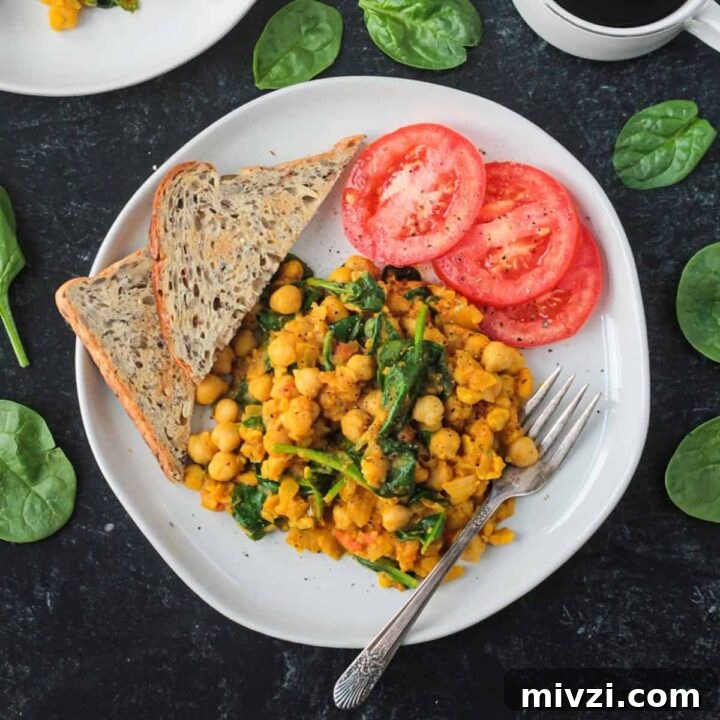
Make this recipe
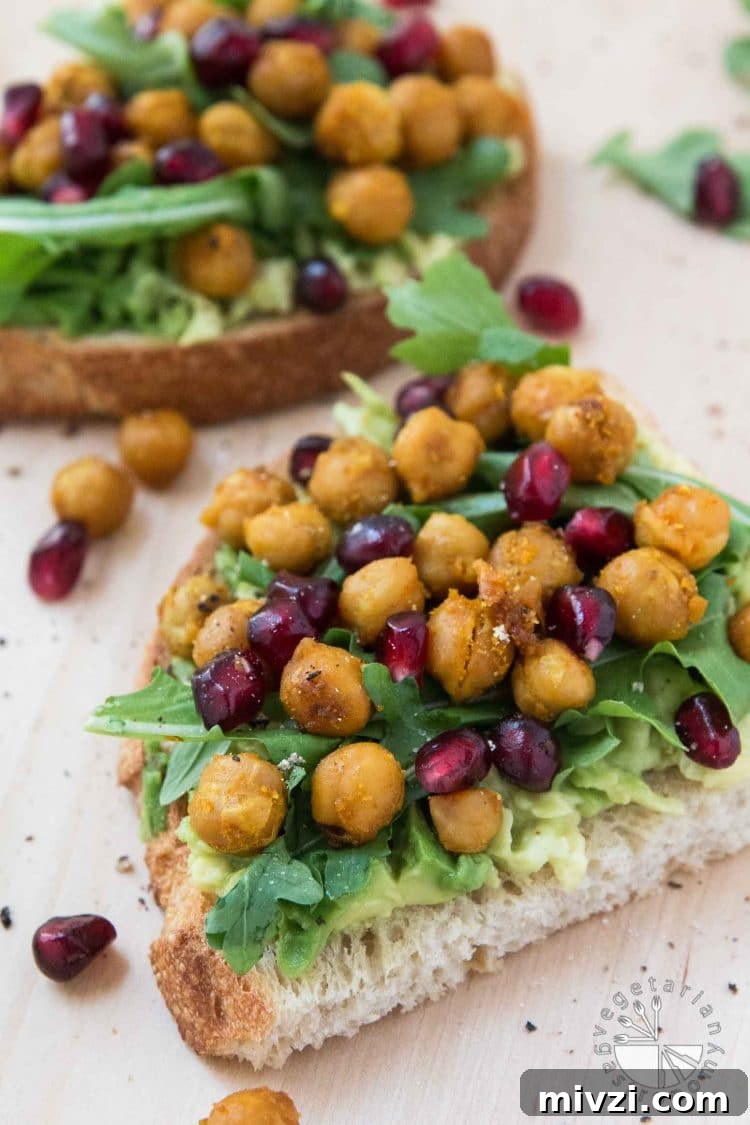
Make this recipe
Salads
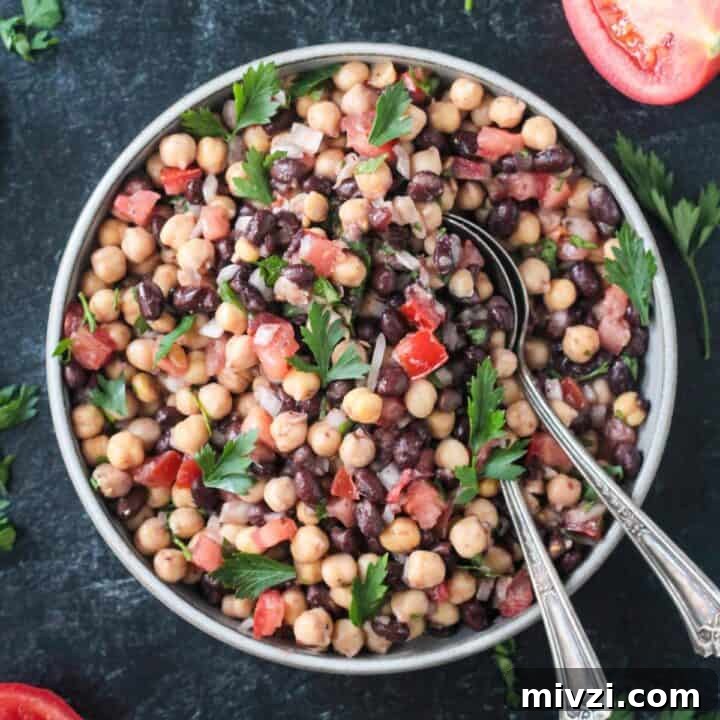
Make this recipe
Sandwiches
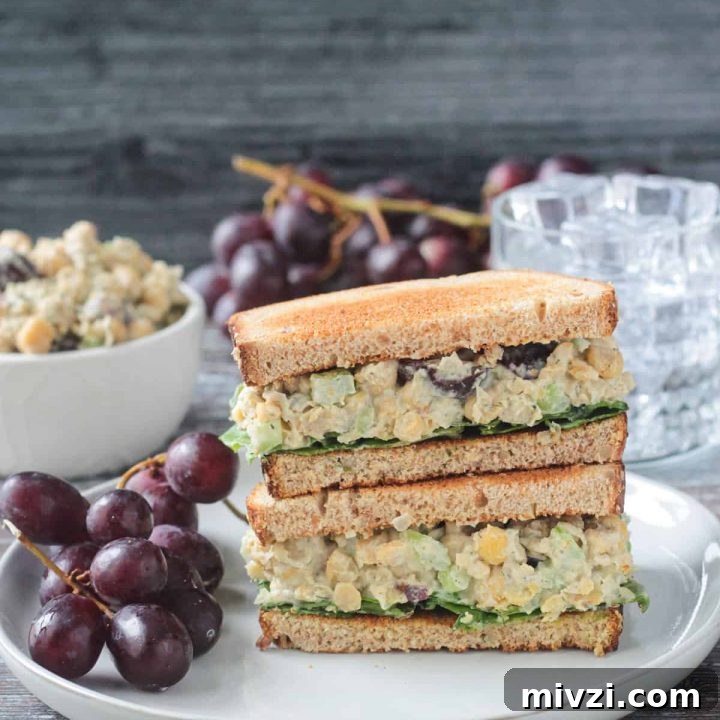
Make this recipe
Soups, stews, and chilis
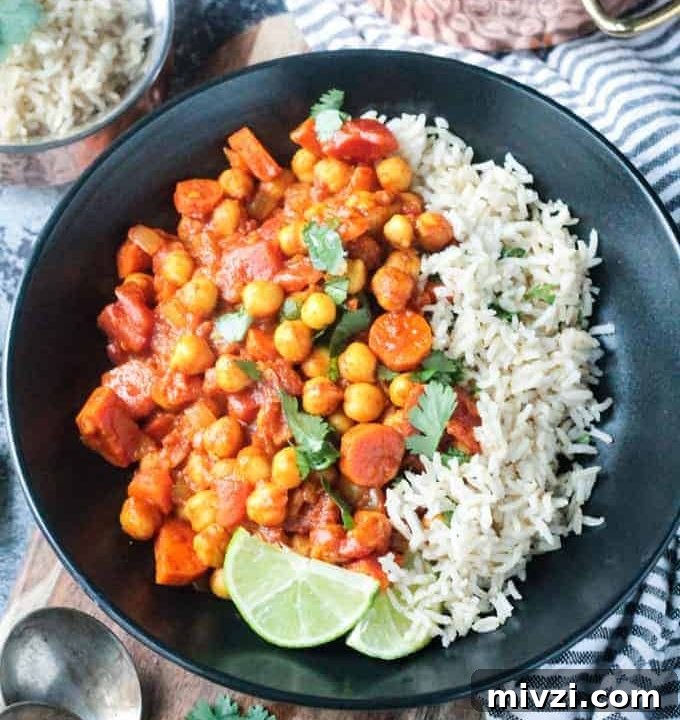
Make this recipe
Burgers and patties
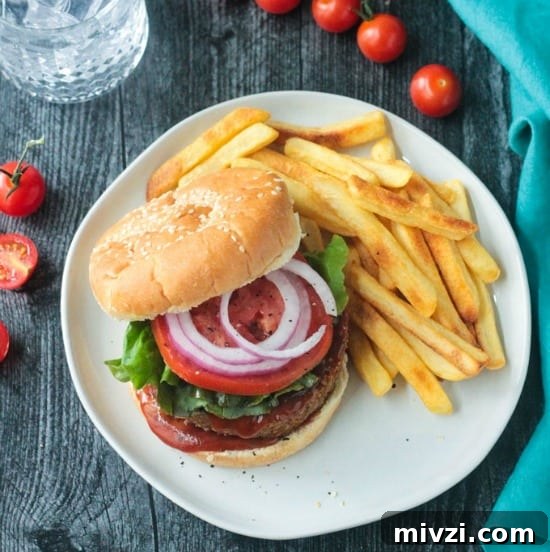
Make this recipe
Pasta
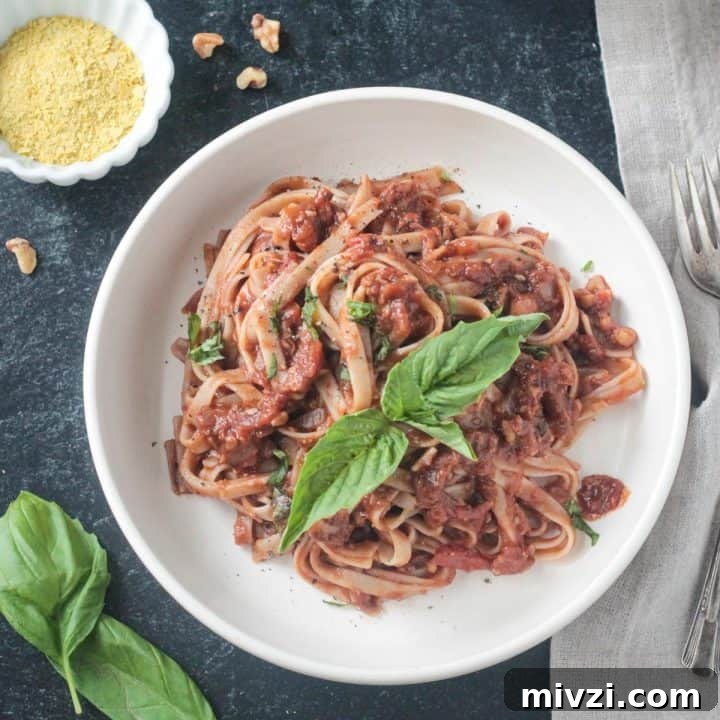
Make this recipe
Snacks
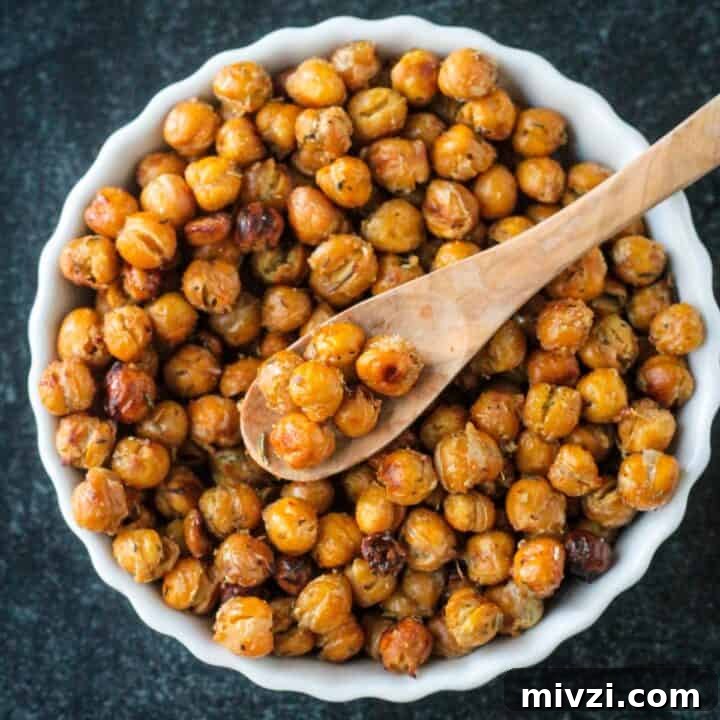
Make this recipe
All the rest
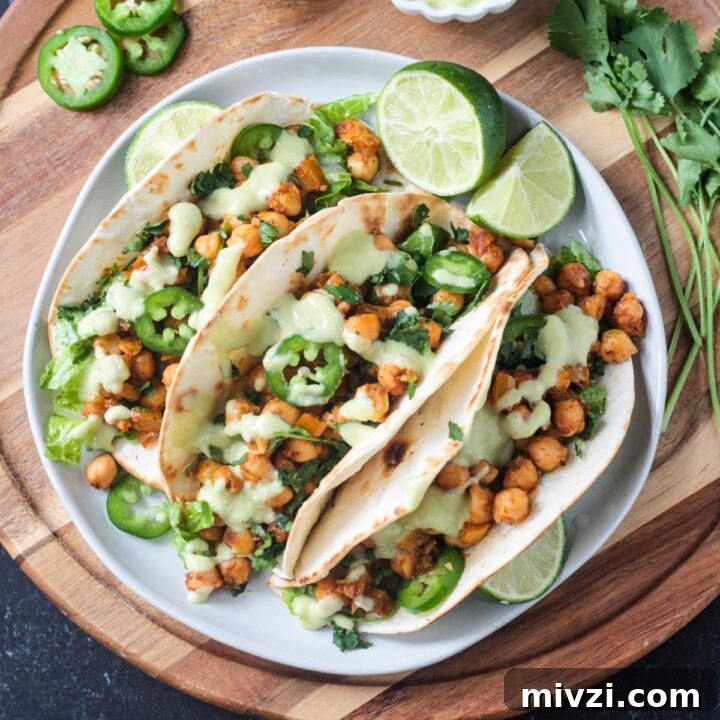
Make this recipe