Chinese cuisine is becoming increasingly popular with Argentines in Buenos Aires.
“Barrio Chino” (Chinatown) is no longer the only place to enjoy Asian or Chinese food. Today, Chinese restaurants and takeaways are found throughout Buenos Aires, offering convenient access to familiar dishes—although many are adapted to suit local Argentine tastes.
Barrio Chino in Buenos Aires

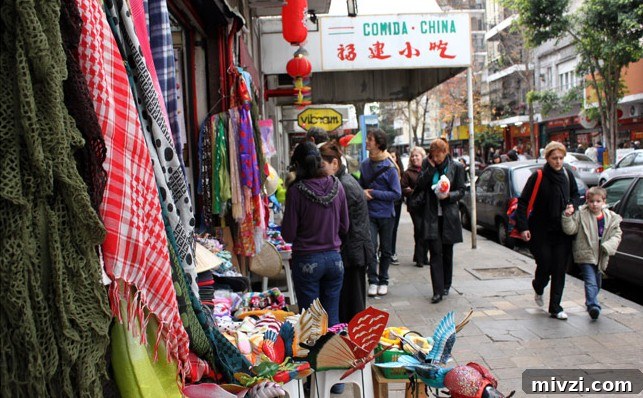
In recent years, small Chinese restaurants have sprouted all over Buenos Aires.
The growth of these establishments is linked to waves of Chinese immigration and the expansion of Chinese-owned small businesses. Many newcomers opened “super chinos”—neighborhood supermarkets operated by Chinese owners that sell local groceries. By 2009, there were reports of around 60,000 Chinese Argentines (residents or citizens of Chinese origin).
Chinese immigration to Argentina occurred in several phases. The first significant group arrived from Taiwan in the 1980s and gradually integrated into porteño life. A second wave in the 1990s included migrants from Fujian Province, some of whom entered through irregular channels. More recently, a third wave has brought young, educated professionals and employees of Chinese companies who stay for work assignments. As a result, Chinese-owned supermarkets, dry cleaners, and restaurants now form an important part of the city’s small-business landscape.

The growing presence of Chinese Argentines and their businesses has increased local acceptance of Chinese food. Porteños, who are largely of Spanish and Italian descent, have become more open to international cuisine. As a result, several Chinese dishes have become everyday choices for delivery or dining out.
In my office we order Chinese delivery weekly. Popular choices among my colleagues include chau fan (fried rice), chau mien (fried noodles), arrolladitas primavera (vegetable spring rolls), arrolladitas de carne (spring rolls with beef), pollo kung pao (Kong Pao chicken) and various versions of chop suey, a stir-fry of meat and vegetables.
Chop suey was new to me when I arrived in Argentina. I suspected a similar stir-fry existed in other Asian cuisines under different names. Still, I was surprised by how popular chop suey is here, especially among people who may not otherwise seek out Chinese food.
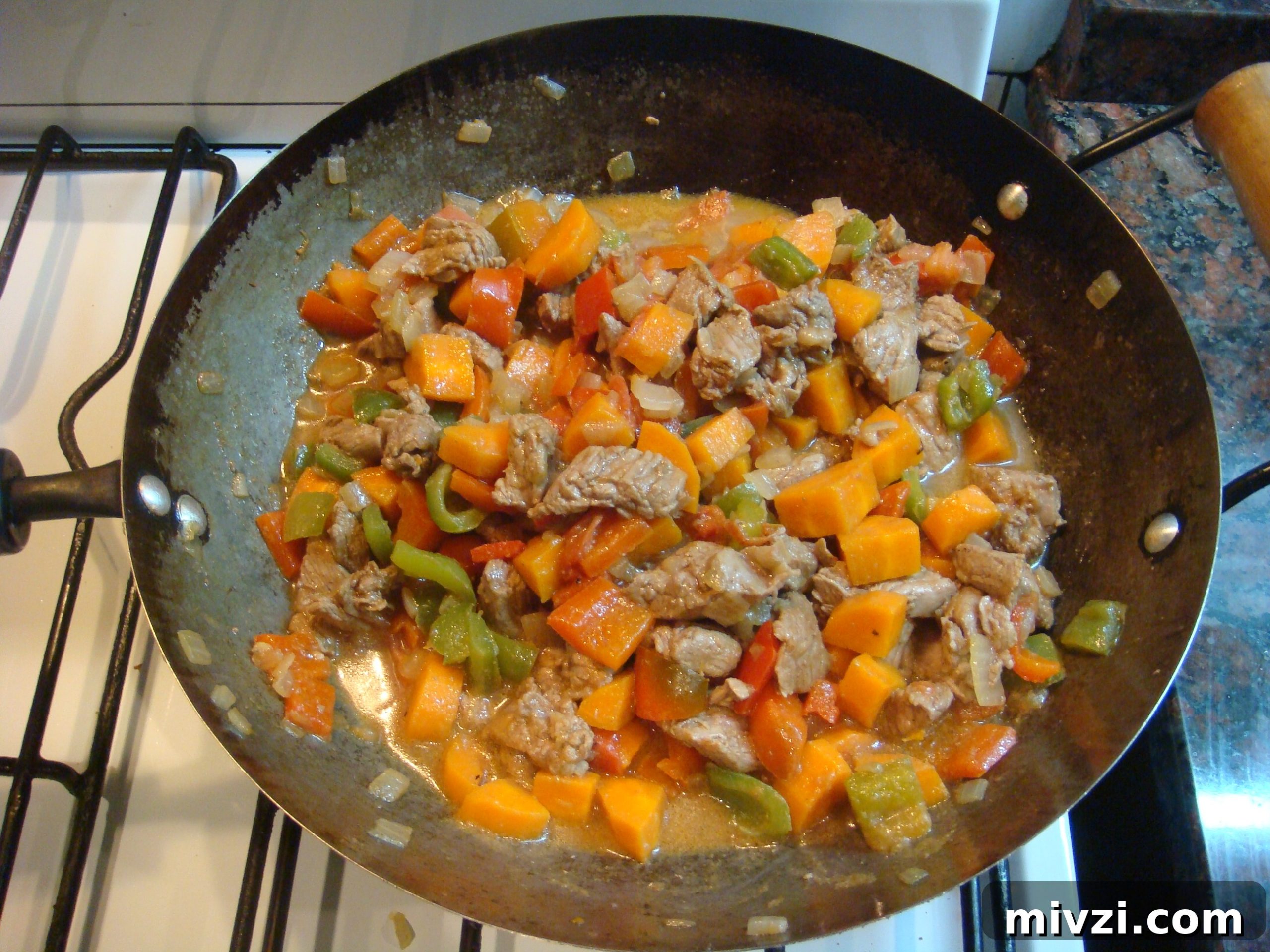
Chop suey is practical and affordable: vegetables are inexpensive, and only the meat significantly affects the cost. It’s also quick to prepare once ingredients are prepared, and stir-frying in a wok yields flavorful results with minimal fuss. With extra beef in the refrigerator, I decided to make beef chop suey for dinner—and it turned out well. Below is a simple recipe you can try.
BEEF CHOP SUEY (Serves 4)
Ingredients:
1) 1 kg beef tenderloin
2) 1 large onion
3) 1 red bell pepper
4) 1 green bell pepper
5) 2 medium tomatoes
6) 2 carrots
7) Soy sauce and salt to taste
Steps:
1) Cut beef into small cubes.
2) Chop the onion, bell peppers, tomatoes and carrots into bite-sized pieces.
3) Stir-fry the beef cubes in a hot wok for a few minutes until browned, then remove and set aside.
4) Stir-fry the onion and carrots until the carrots begin to soften.
5) Add the bell peppers and continue stir-frying until they are cooked but still crisp.
6) Add the tomatoes and mix briefly.
7) Return the browned beef to the wok, combine everything, and season with soy sauce and salt to taste.
8) Serve hot with rice.
Fresh ingredients ready to cook:
Stir-fry beef in a wok until browned, then set aside.
Sauté onions and carrots until slightly soft, then add bell peppers.
Stir in tomatoes, return the beef, and mix well with soy sauce and salt to taste.
Serve piping hot:
Beautiful Beef Chop Suey: