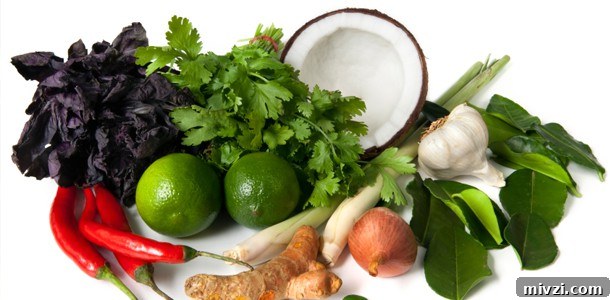
Thai cuisine has surged in global popularity, and many home cooks now find jars of Thai pastes and sauces that make preparing Thai dishes easy. Recreating authentic Thai flavors from scratch can be more challenging, however, because some ingredients are common in mainstream grocery stores while others require an Asian market or specialty shop.
Below is a concise guide to essential flavor-building ingredients in Thai cooking. These items appear frequently in soups, curries, salads and stir-fries and will help you achieve authentic results when cooking at home.
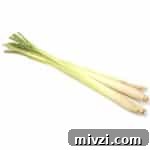 Lemongrass
Lemongrass offers a bright, citrus-like aroma and flavor even though it is not botanically related to lemons. It is commonly used whole or bruised in broths, curries and sauces to infuse a zesty lemon character. Because the stalks remain fibrous after cooking, they are typically removed before serving rather than eaten.
Tip: If fresh lemongrass is unavailable, a splash of lemon juice can approximate the acidity, though the flavor won’t be identical. When buying fresh stalks choose firm, heavy pieces with pale yellow or light brown bases and green tops.
 Kaffir Lime Leaves
Kaffir lime leaves are prized for their intense, floral citrus aroma. The thick, glossy green leaves are commonly added to curries, soups and stir-fries to provide a distinctive fragrance. They can be used whole for infusing or thinly sliced for a bolder aroma, but due to their toughness they’re not typically eaten whole.
Tip: Look for fresh, shiny leaves and store them in the refrigerator or freezer. If frozen, grate or slice them while cold for easier use.
 Fish Sauce
Fish sauce is a salty, savory staple in Thai cooking. Made from fermented fish (often anchovies), water and salt, it adds umami depth and complexity to dressings, curries and stir-fries. Use it sparingly at first—its pungency can dominate a dish—but don’t omit it entirely, as it contributes a core aspect of authentic Thai flavor.
Tip: If you’re new to fish sauce, add less than a recipe suggests, taste, and adjust. Quality varies between brands; higher-end bottles tend to have cleaner, more balanced flavor.
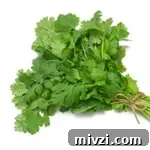 Cilantro
Cilantro (called coriander in many countries) brings a fresh, bright finish to Thai dishes. It’s usually chopped and added at the end of cooking or sprinkled over plated food. In recipes referring to “coriander” in a fresh-herb context, cilantro is almost always intended rather than the dried seeds.
Tip: Cilantro grows in sandy soil, so rinse thoroughly to remove grit. Remove leaves from tougher stalks before chopping for the best texture and flavor.
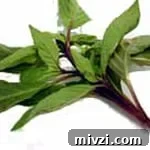 Thai Basil
Thai basil differs from sweet or Italian basil: its narrow leaves, purple stems and licorice-like, slightly anise aroma set it apart. It’s commonly used in curries, noodle dishes and soups (notably pho in Vietnamese cuisine). Because it can be hard to find, buy extra when you can.
Tip: To preserve Thai basil, pulse it into a paste and freeze in ice cube trays; transfer the frozen cubes to bags for long-term storage.
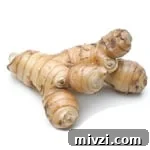 Galangal
Galangal is a rhizome often mistaken for ginger, but it has a distinct citrusy, pine-like aroma. It’s commonly sliced and simmered in soups and stews to extract its fragrance. Fresh galangal can be hard to source, yet it’s essential for certain classic Thai dishes.
Tip: If fresh galangal is unavailable, use dried galangal powder (about 1 teaspoon per inch of fresh root) as a substitute, recognizing the flavor will be slightly different.
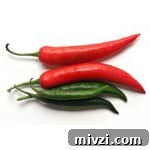 Thai Chili Peppers
Small but fiery, Thai chilies deliver intense heat. There are dozens of varieties and they’re used fresh, dried, ground or whole across Thai cuisine—from curries to salads to soups. Adjust quantities to taste, since their heat level is potent compared with many Western chilies.
Tip: If you can’t find Thai chilies, substitute another hot pepper such as serrano, jalapeño or habanero, keeping in mind differences in heat and flavor.
 Banana Leaves
Banana leaves are used to wrap foods for steaming, baking or grilling, imparting a subtle, sweet aroma and protecting delicate ingredients during cooking. They’re particularly useful for fish, sticky rice and parcels of seasoned meat or vegetables.
Tip: Store banana leaves wrapped and frozen so they’re ready when you need them.
 Coconut
Coconut features widely in Thai cuisine—as milk, cream, shredded flesh and water. Coconut milk is central to many curries and some soups, contributing richness and body. When cooked at higher heat, coconut milk separates and the oils help develop a deeper, creamier curry base.
Tip: Canned coconut milk may separate on the shelf; simply stir or whisk it together before using. If you open a can and only use part, mix the contents to maintain a uniform consistency for the portion you use.
 Lime
Lime
Lime juice and zest brighten Thai dishes with acidity and aromatic citrus notes. Limes are commonly used in dressings, soups and finishing plates to balance sweetness, saltiness and heat.
Tip: Choose limes that feel heavy for their size, give slightly when pressed, and appear plump—these tend to be juicier than very thin-skinned or dry limes.
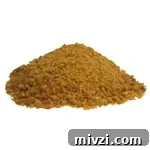 Palm Sugar
Palm sugar, made from tree saps such as coconut, has a deep caramel-like sweetness and is used to balance spicy, salty and sour elements in Thai recipes. It has a more complex flavor than plain white sugar.
Tip: If palm sugar is unavailable, brown sugar is an acceptable substitute for most home-cooked recipes.
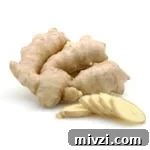 Ginger
Fresh ginger adds bright, spicy warmth to many savory dishes across Asian cuisines, including Thai. Its fresh zing is difficult to replicate with dried ground ginger, so use fresh root whenever possible. Peel thicker-skinned pieces, slice or julienne, and briefly fry to release flavor.
Tip: Ground ginger can stand in when necessary, but it won’t match the vibrant freshness of the real root.
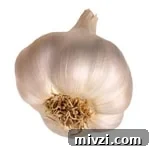 Garlic
Garlic is a universal flavor enhancer and a core ingredient in Thai cooking. Raw garlic is pungent, while gently fried or roasted garlic becomes sweet and caramelized. It forms the aromatic base of many stir-fries, curries and sauces.
Tip: Store whole garlic bulbs in a cool, dark, dry place rather than in the refrigerator to keep them fresh longer.