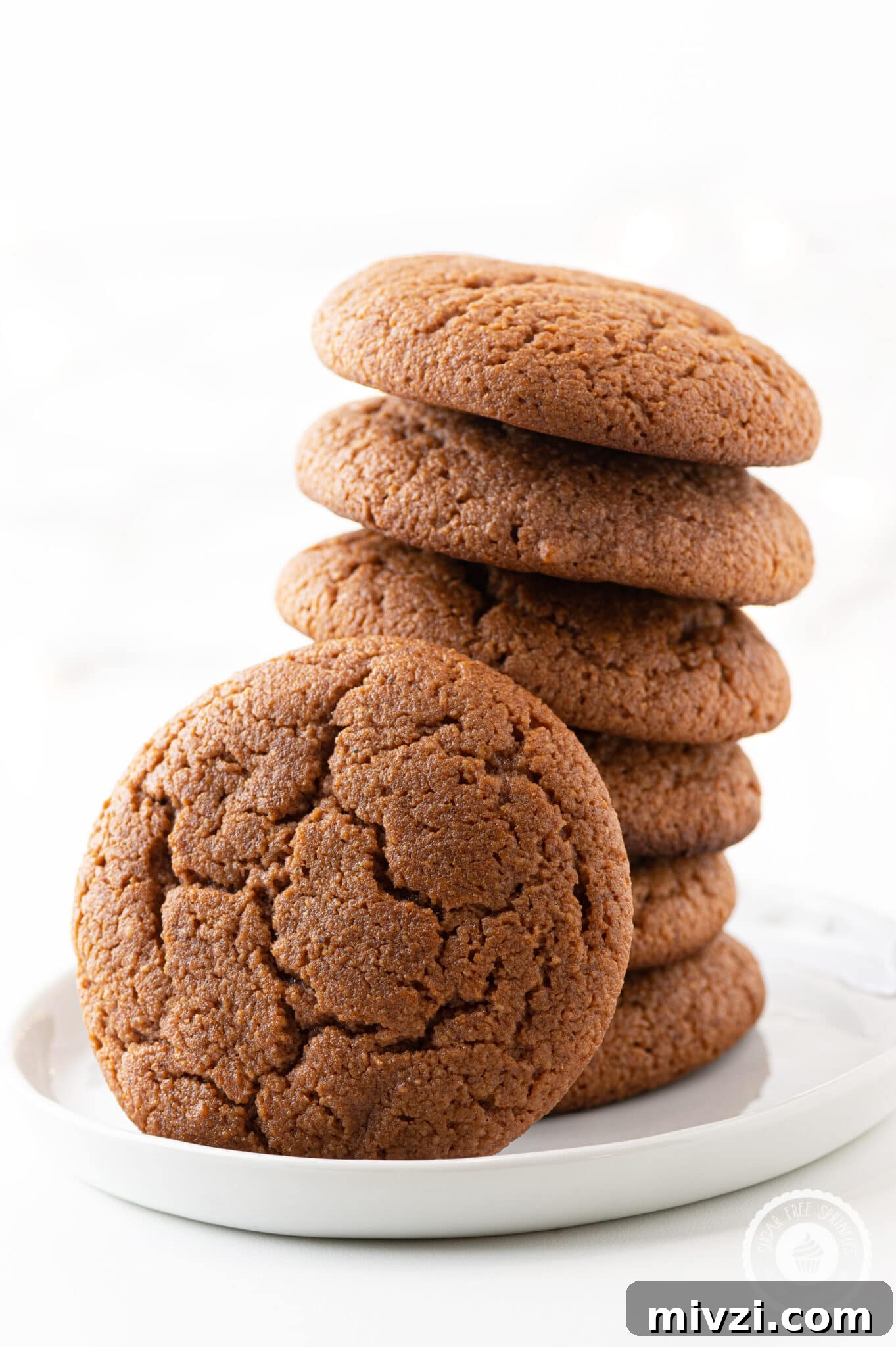
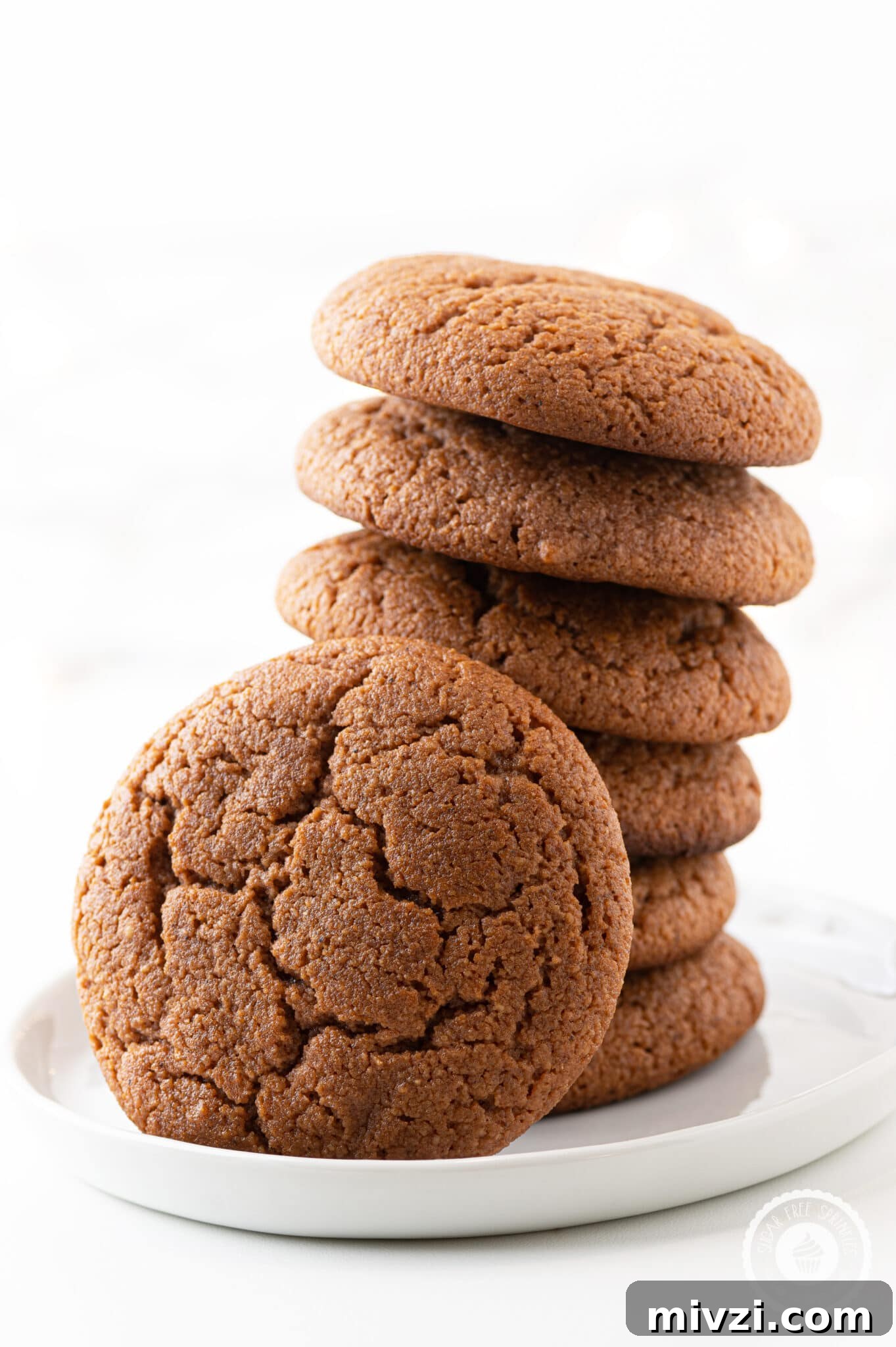
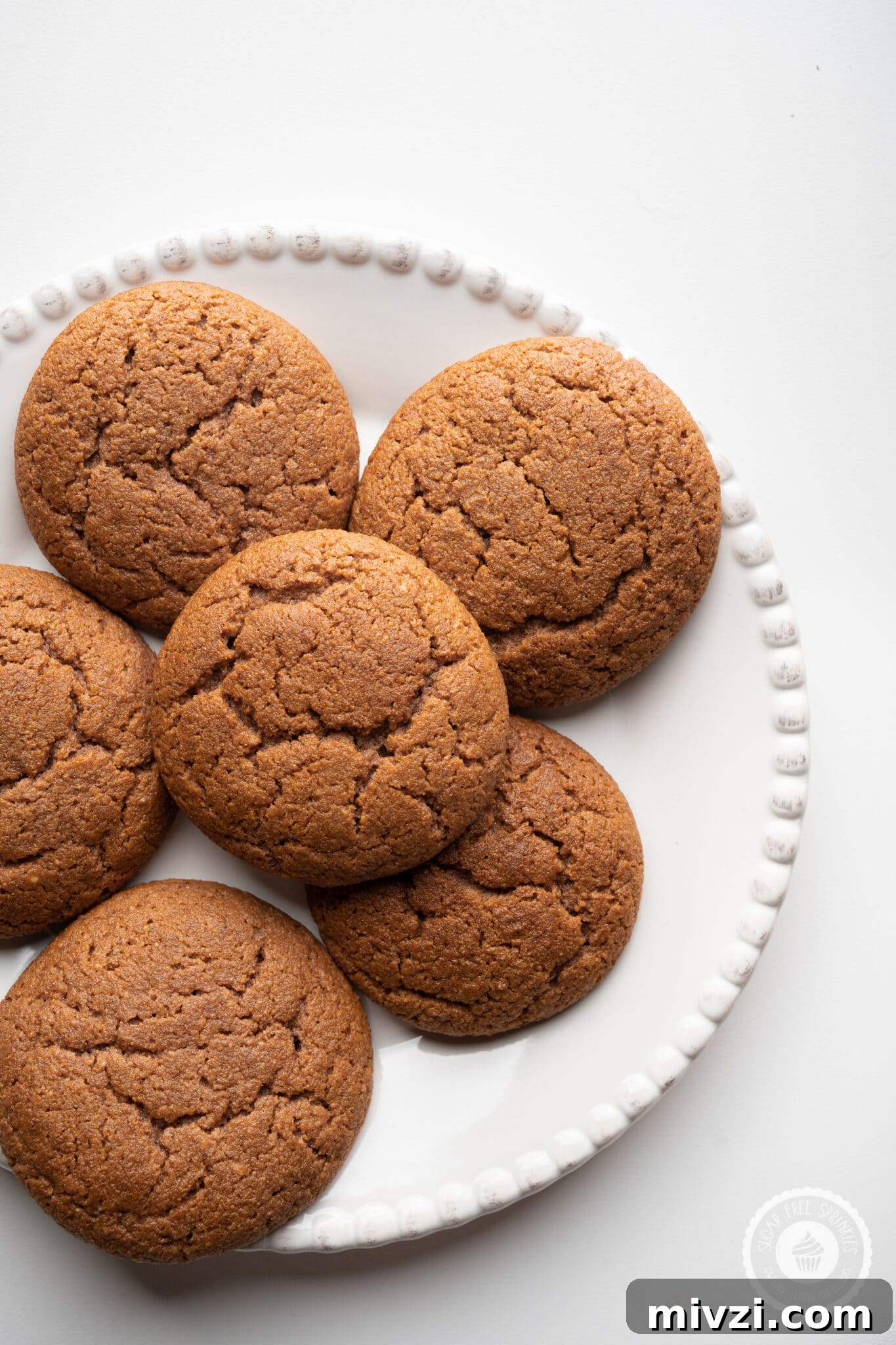
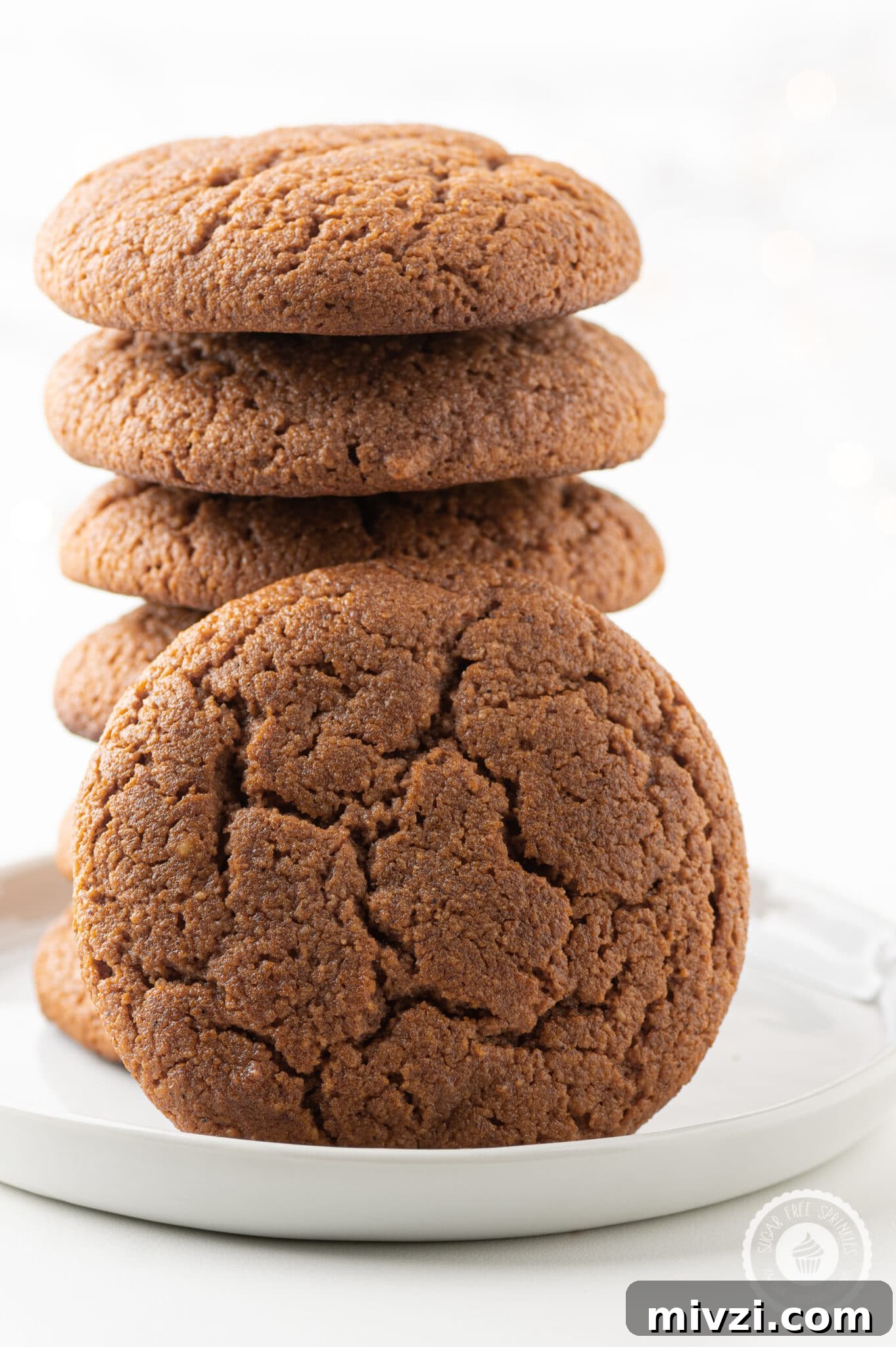
COOKIES! My weakness. That chewy sweetness pairs perfectly with a hot cup of coffee — and when it’s keto-friendly, even better. I’m excited to share my favorite recipe: Soft Keto Gingerbread Cookies. These cookies are low-carb, gluten-free, soft, chewy, and generously spiced for a warm holiday flavor.
Baking them fills the house with autumn aromas — ginger, cloves, and cinnamon — a cozy, nostalgic scent. After some experimenting I’ve perfected this version, and I’m happy to pass it along.
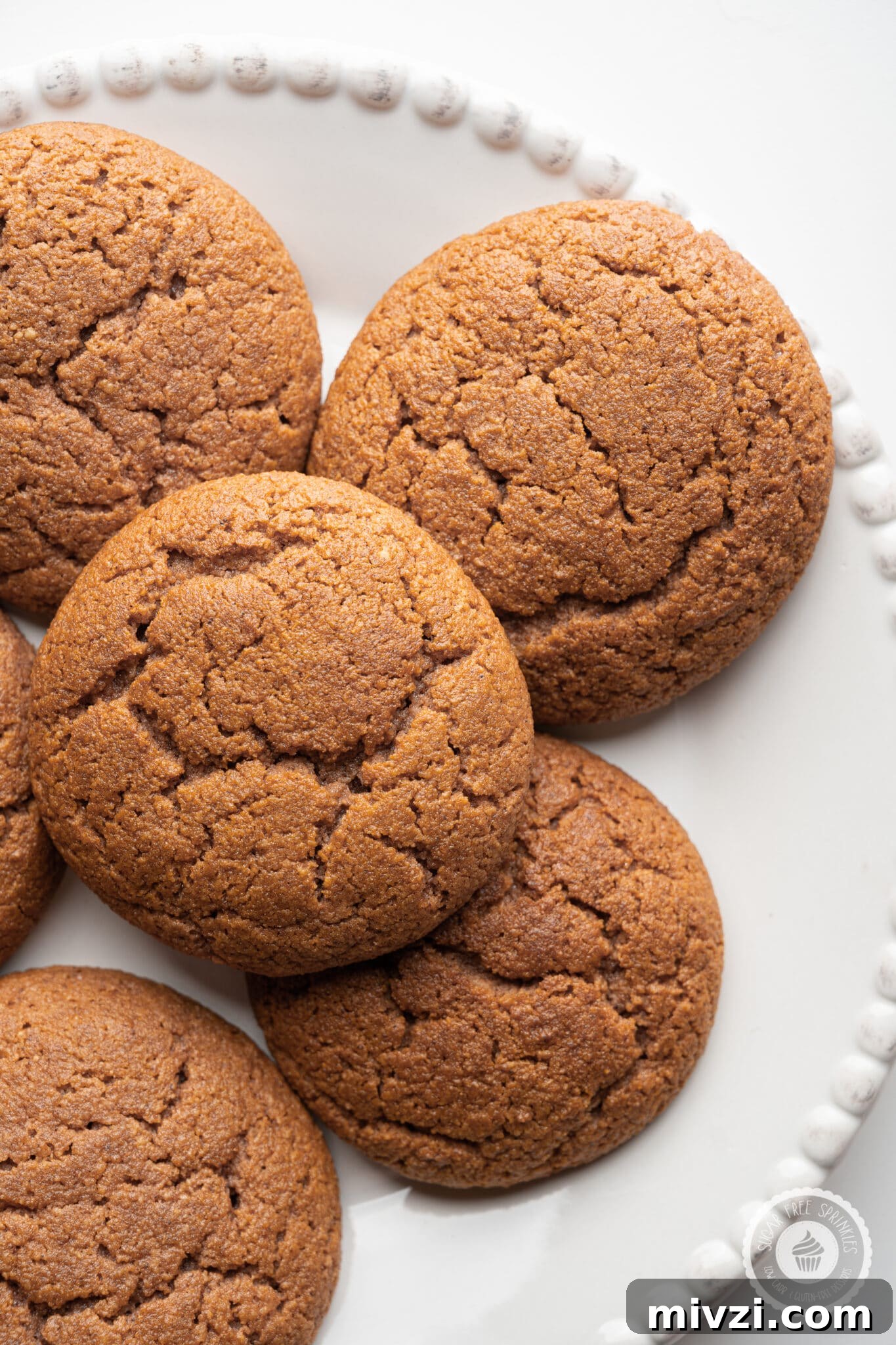
Table of contents
- Why These Are the Best Keto Gingerbread Cookies
- Key Ingredient List
- Sweetener Tips: Choosing the Best Keto-Friendly Sweetener
- Step-by-Step: Making Perfect Keto Gingerbread Cookies
- Pro Tips for the Best Keto Gingerbread Cookies
- Serving and Storing Your Keto Gingerbread Cookies
- FAQ: Keto Gingerbread Cookie Baking Tips
- Looking for More Low-Carb Keto Cookie Recipes?
- Wrapping Up: Enjoying Your Festive Keto Gingerbread Cookies!
Why These Are the Best Keto Gingerbread Cookies
What makes these cookies stand out:
- Soft & Chewy: Tender inside with a satisfying chew, like classic gingerbread.
- Bold Spices: Warm, well-balanced notes of ginger, cinnamon, and cloves.
- Quick & Simple: One-bowl mixing and a short bake time — about 30 minutes total.
- Keto & Low-Carb: Designed for ketogenic and low-carb diets.
- Gluten-Free: No wheat or refined sugars.
- Holiday-Ready: Ideal for cookie trays, gift boxes, or cozy gatherings.
Key Ingredient List
Each ingredient contributes to flavor, texture, or structure, producing soft, chewy keto cookies.
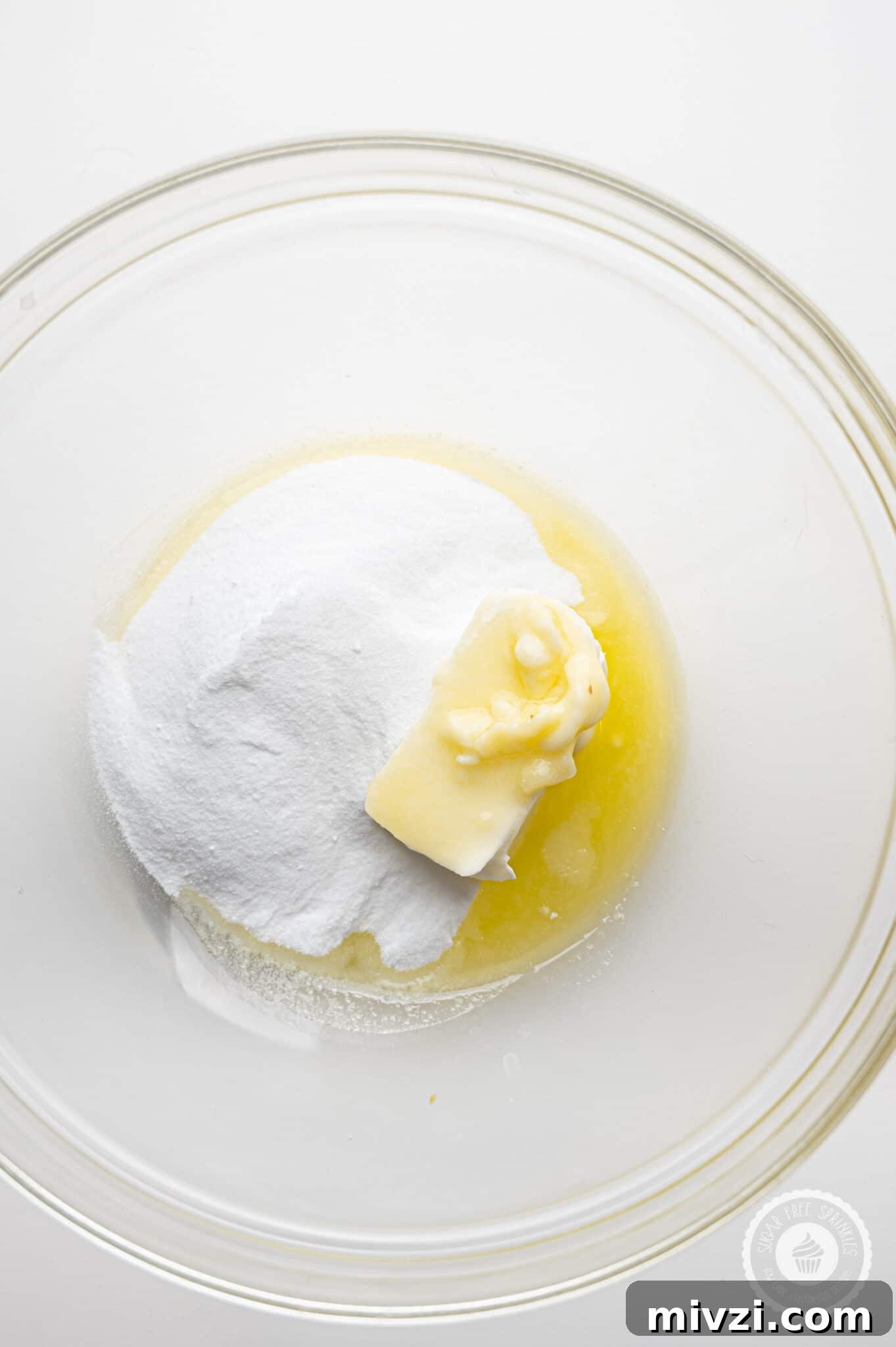
- Unsalted butter — adds richness and a tender crumb.
- Full-fat cream cheese — gives a slight tang and extra moisture to keep cookies soft.
- Granular allulose — the preferred keto sweetener for a chewy texture that resists crystallizing.
- Heavy whipping cream — adds moisture and balances dry keto flours.
- Almond flour — the main low-carb flour for a soft, delicate crumb.
- Coconut flour — used sparingly to absorb moisture and add structure.
- Unflavored protein powder — helps the cookies hold together and adds a bit of chew.
- Spices (cinnamon, ground ginger, cloves) — the core gingerbread flavor.
- Baking powder — provides a small rise and contributes to the cracked tops.
Helpful guides can improve your low-carb baking skills and success with these flours and sweeteners.
Sweetener Tips: Choosing the Best Keto-Friendly Sweetener
The sweetener you choose affects texture and shelf life. Allulose is my top pick for these cookies because it stays soft and doesn’t crystallize like some alternatives.
Allulose
Best for a soft, chewy cookie. It behaves more like sugar and keeps cookies tender after cooling.
Erythritol and Monk Fruit
Good alternatives but can yield a crisper cookie that may firm up overnight.
Blended Sweeteners
Mixing sweeteners is possible, but watch the final texture—sugar alcohols can crystallize and make cookies firmer the next day.
Step-by-Step: Making Perfect Keto Gingerbread Cookies
The dough is soft and benefits from chilling, so allow time for that step.
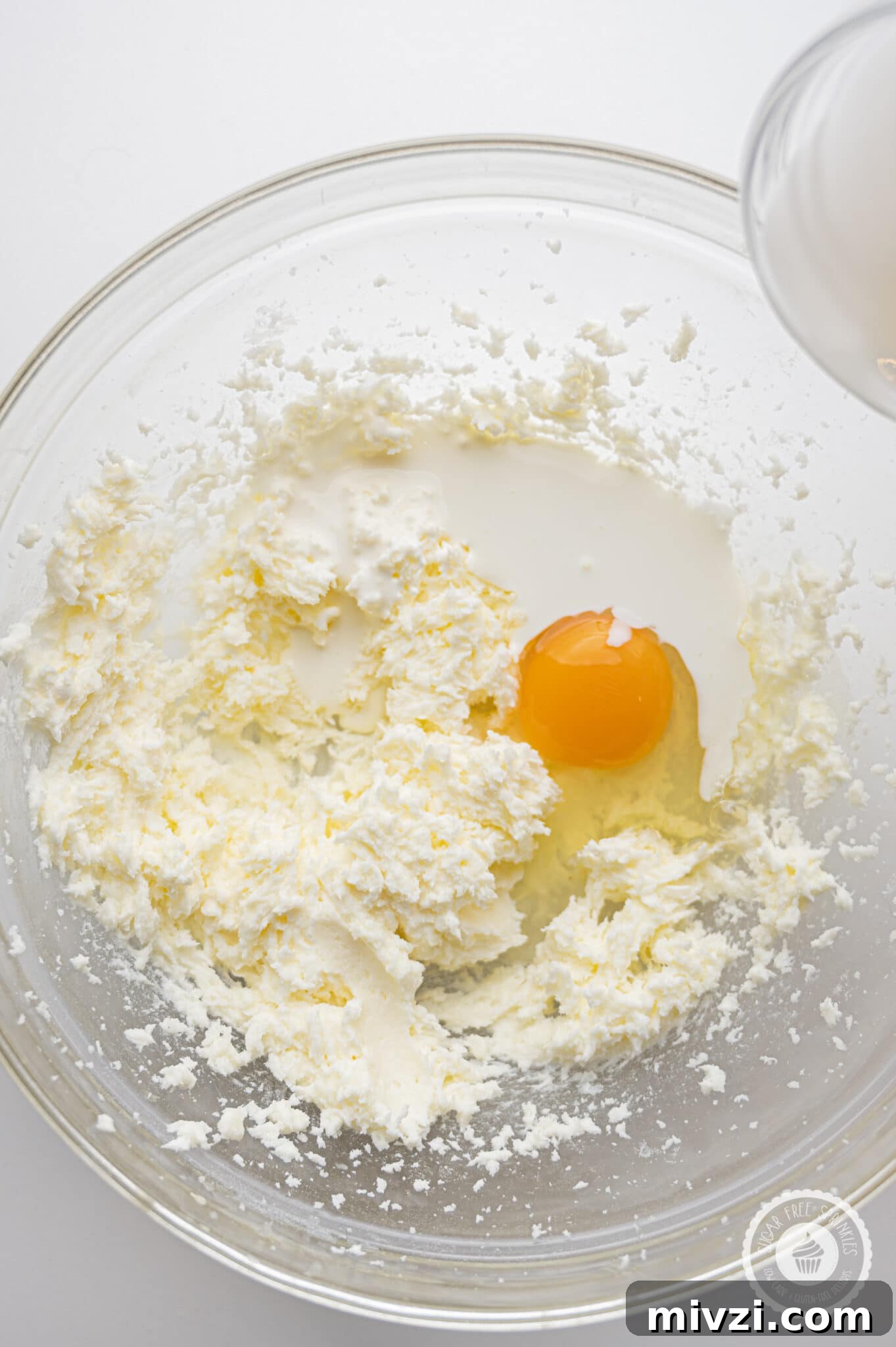
Step 1: Cream the Butter & Sweetener
Beat butter, cream cheese, and allulose until light and fluffy to create a tender texture.
Step 2: Add Wet Ingredients
Mix in the egg and heavy cream until smooth and combined.
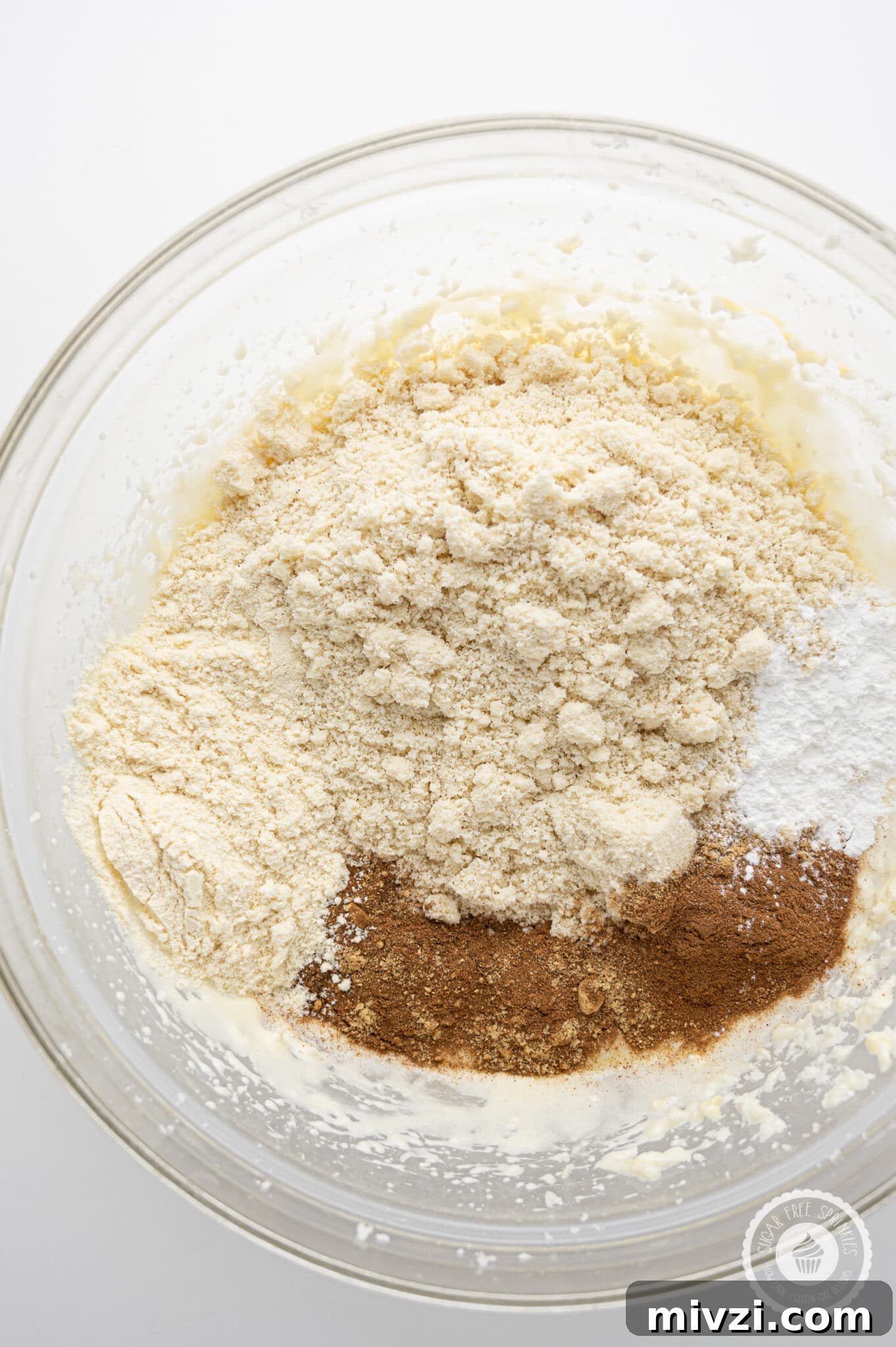
Step 3: Mix in Dry Ingredients
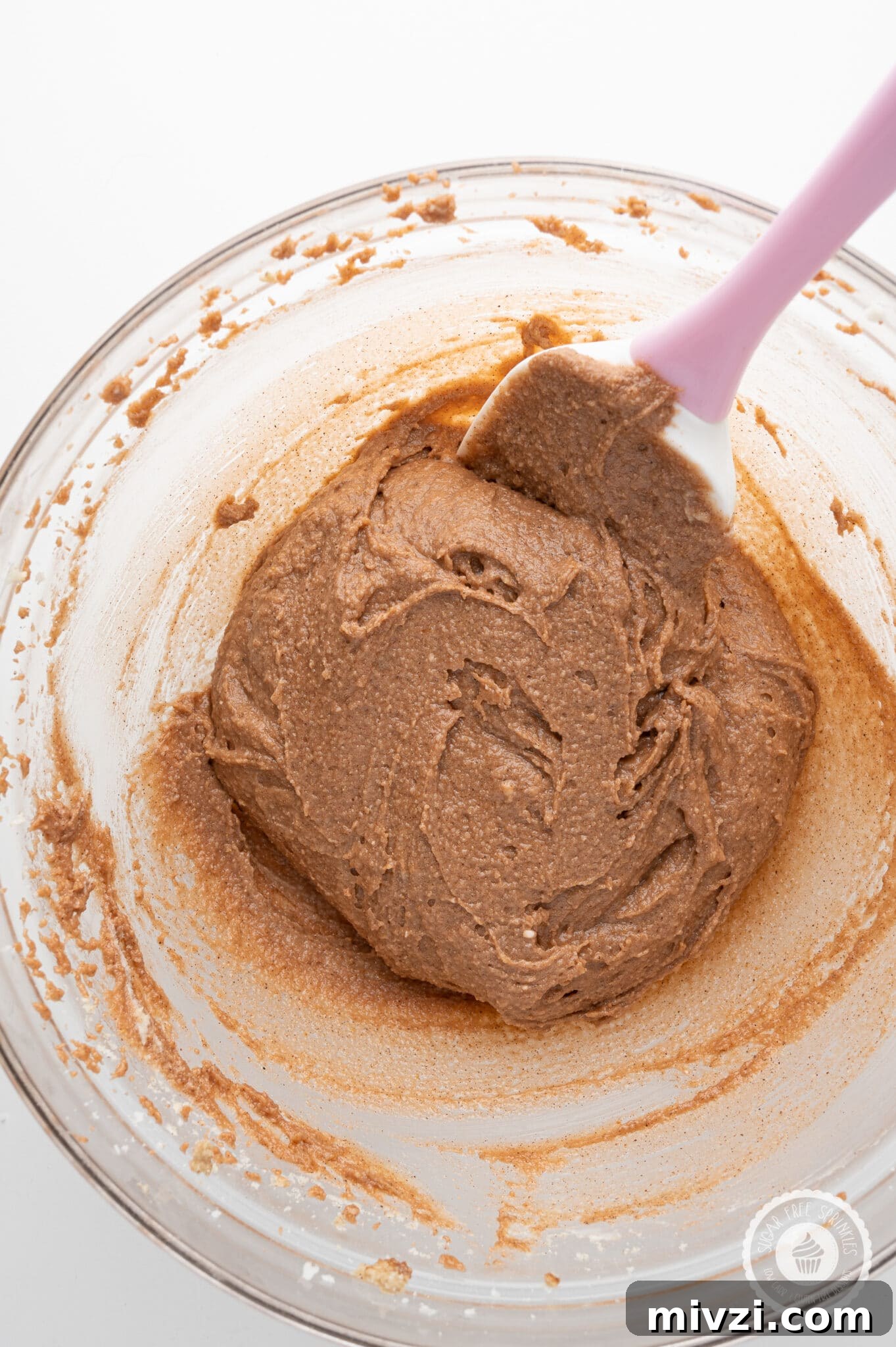
Fold in almond flour, coconut flour, protein powder, baking powder, salt, and spices until a sticky dough forms.
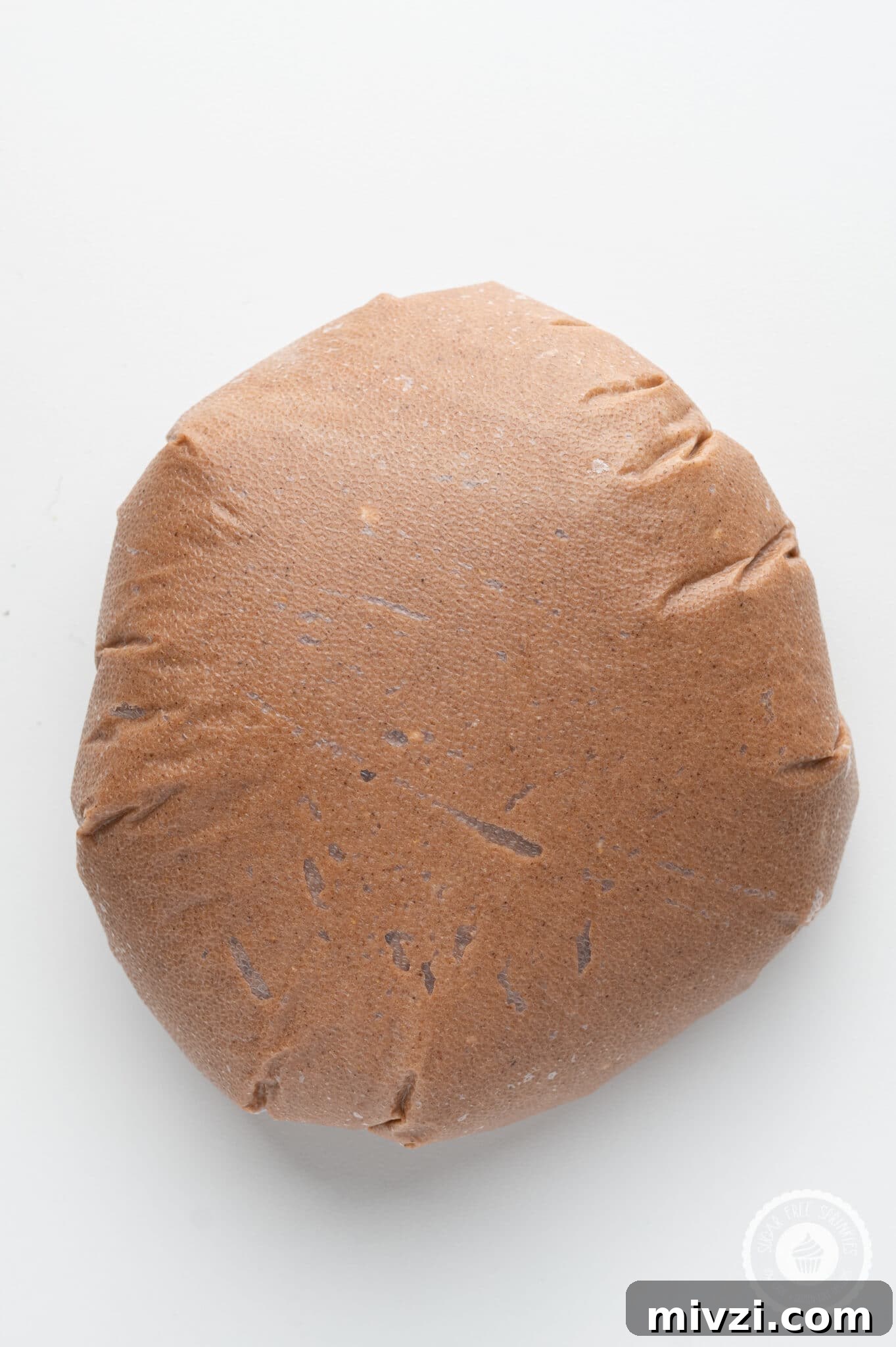
Step 4: Chill the Dough
Wrap the dough and chill at least one hour (or overnight). Chilling firms the dough and deepens the flavors.
Pro Tips for the Best Keto Gingerbread Cookies
Quick tips to improve results:
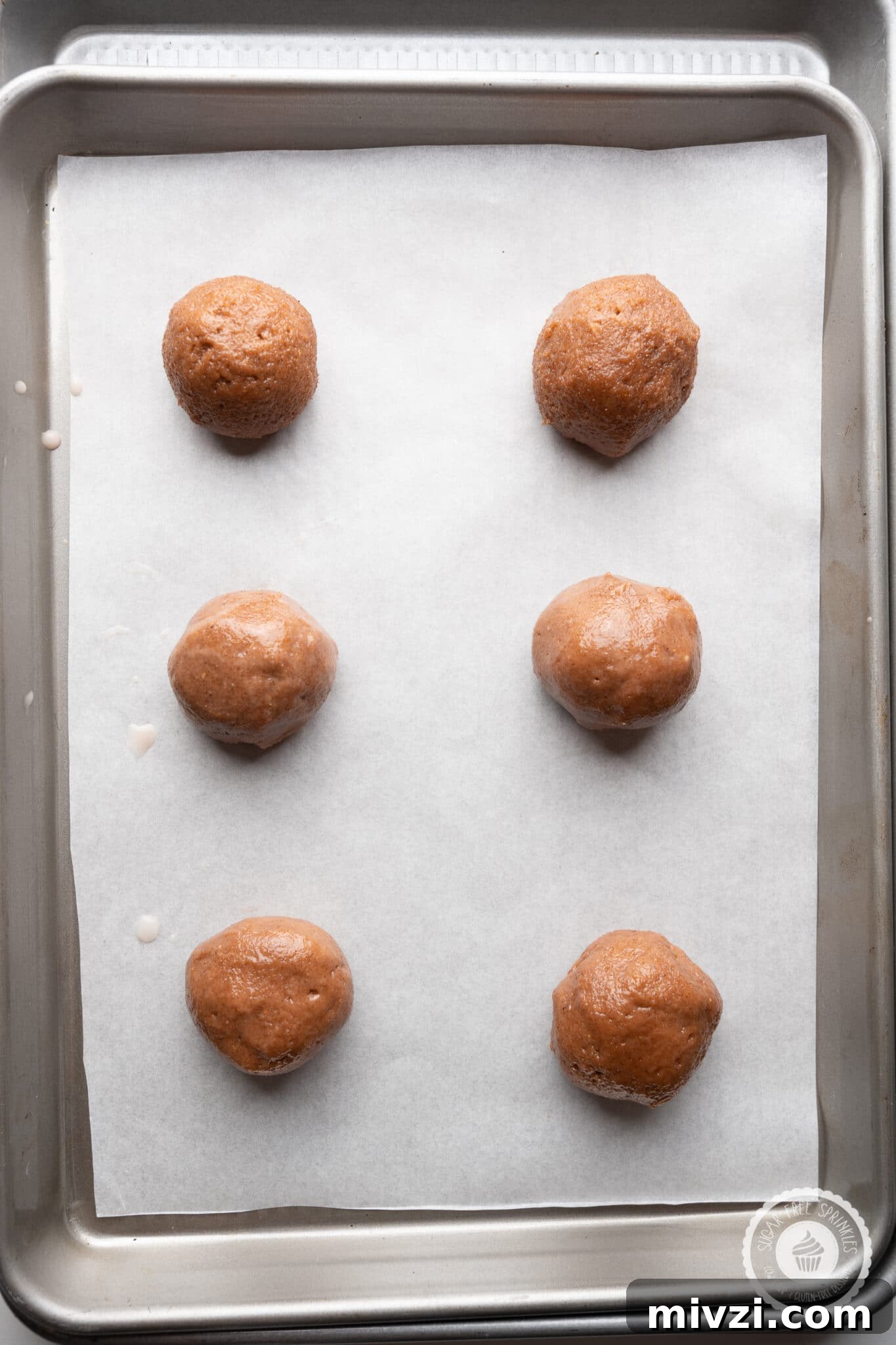
Roll, don’t flatten
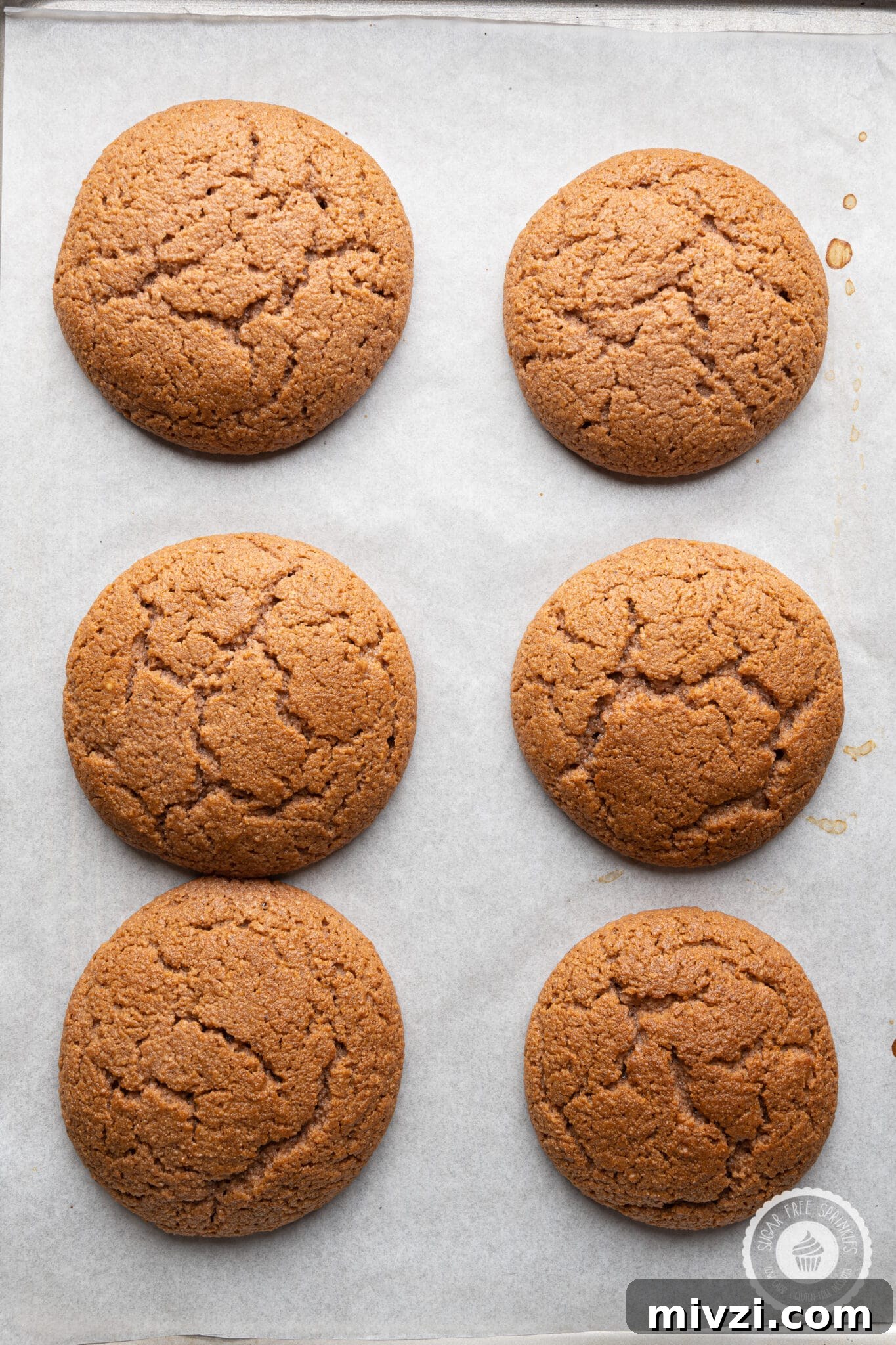
Shape dough into balls and don’t press them down. They’ll spread and develop the classic cracked tops while baking.
Wet hands for rolling
The dough is sticky. Lightly wet your hands to roll without sticking.
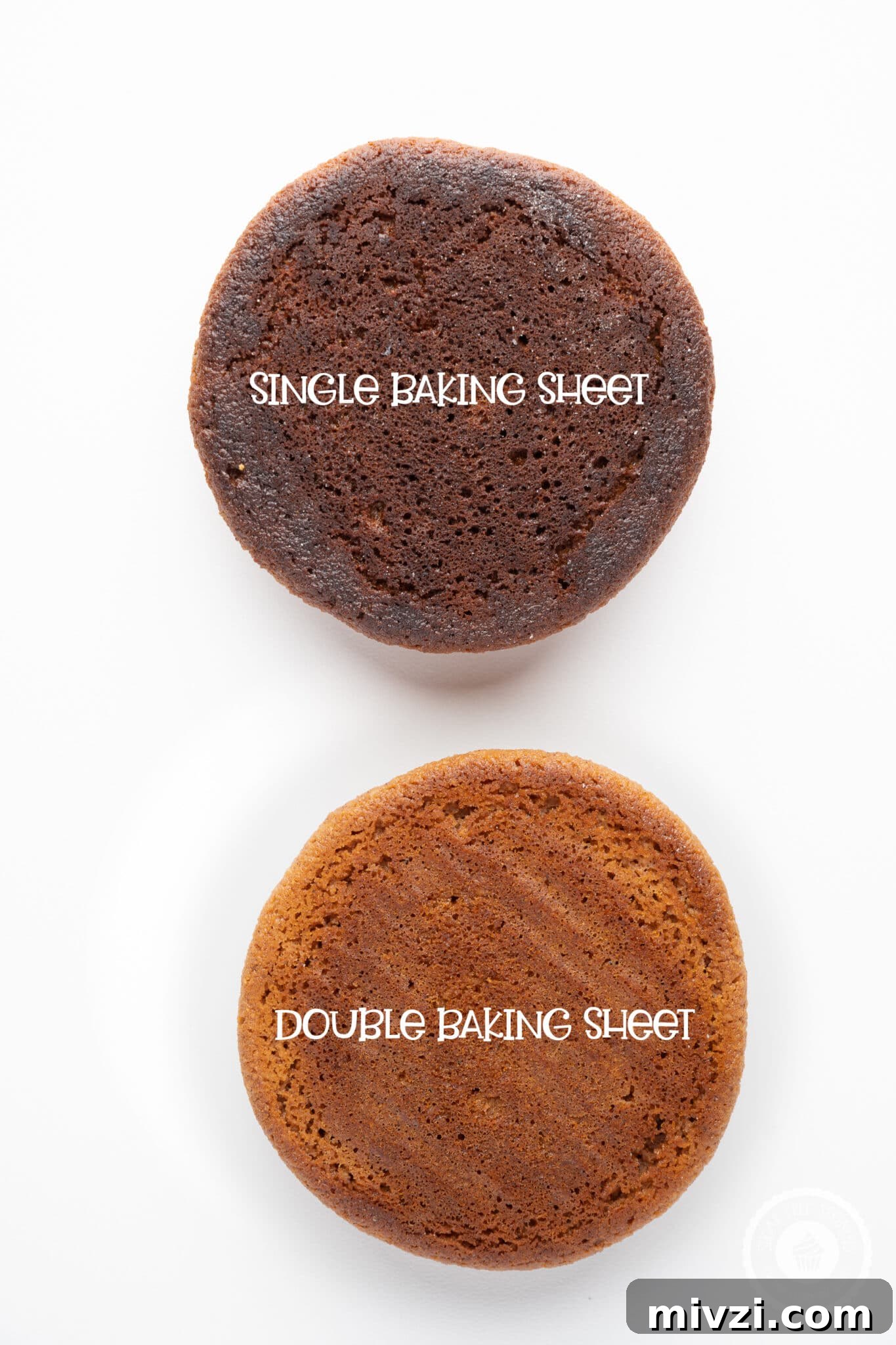
Use double cookie sheets
Place a second baking sheet beneath the one you bake on to prevent over-browning from almond flour and allulose. Tin foil under the sheet works if you don’t have a spare pan.
Serving and Storing Your Keto Gingerbread Cookies
These cookies are lovely warm and remain fresh at room temperature for about three days when stored covered.
Warm & fresh
Serve them warm for the best soft, chewy texture.
Refrigerate to extend life
Store in an airtight container in the fridge for up to a week.
Freeze for later
Both baked cookies and unbaked dough freeze well. Roll dough into balls, freeze on a sheet, then transfer to a freezer bag. Thaw before baking if frozen raw, or bake from frozen adding a minute or two if needed.
Serving ideas
Try a thin glaze, cream cheese frosting, or make low-carb gingerbread ice cream sandwiches for a festive twist.
FAQ: Keto Gingerbread Cookie Baking Tips
Can I use coconut flour instead of almond flour?
No. Coconut flour soaks up much more liquid and will produce a very different, drier texture. Almond flour is best for the soft, chewy result here.
What if my dough is too sticky?
Chill it for at least an hour to firm it up. If still sticky, add small amounts of almond flour sparingly to avoid drying the dough.
Why are my cookies hard the next day?
Allulose helps cookies stay soft longer. Sweeteners like erythritol can crystallize and cause a firmer texture over time.
Can I make the dough ahead of time?
Yes. Refrigerate up to two days or freeze for up to a month. Thaw in the fridge before shaping and baking.
How do I keep keto cookies soft?
Use allulose, store cookies in an airtight container, and avoid prolonged exposure to air. Refrigeration also helps maintain texture.
Looking for More Low-Carb Keto Cookie Recipes?
If you’re baking cookies, consider these other low-carb, gluten-free favorites:
- Vanilla Sugar Cookies — a classic made keto-friendly.
- Easy Keto Chocolate Chip Cookies — soft and chewy for chocolate lovers.
- Pumpkin Spice Cookies — cozy, seasonal, and flavorful.
- Fun Halloween Monster Cookies — festive treats for the spooky season.
- Keto Whoopie Pies with Marshmallow Filling — nostalgic and indulgent.
- Keto Lemon Cookies with Lemon Chocolate Glaze — bright and refreshing.
Wrapping Up: Enjoying Your Festive Keto Gingerbread Cookies!
Baking these soft keto gingerbread cookies is a cozy, rewarding experience. The aromas, the warm spices, and the chewy texture make them perfect for holiday sharing — or keeping for yourself. I hope they become a seasonal favorite in your home.
I’d love to hear how they turn out. Did you follow the recipe or add your own twist? Share your experience in the comments or on social media.
Happy baking, and enjoy every soft, chewy bite!

Soft Keto Gingerbread Cookie Recipe
12
5 minutes
15 minutes
10 minutes
30 minutes
Soft and chewy keto gingerbread cookies with a warm ginger kick.
Ingredients
- 1/4 cup unsalted butter softened
- 1/4 cup full-fat cream cheese softened
- 2/3 cup granular allulose * see notes for substitutions
- 1 large egg
- 1/4 cup heavy whipping cream
- 1 1/3 cup sifted fine almond flour
- 1/3 cup sifted coconut flour
- 2 Tbsp unflavored protein powder
- 1 tsp baking powder
- 1/4 tsp salt
- 1 Tbsp cinnamon
- 1/2 Tbsp ground ginger
- 1/4 tsp cloves
Instructions
- Sift almond flour, coconut flour, baking powder, protein powder, salt, and spices into a large mixing bowl.
- In a stand mixer bowl or with a hand mixer, blend cream cheese, butter, and allulose until light and fluffy.
- Add the egg and heavy cream and mix until creamy.
- Fold dry ingredients into wet until the dough pulls together; it will be soft.
- Cover and chill for at least one hour.
- Preheat oven to 350°F and line a cookie sheet with parchment. Double your baking sheet to prevent over-browning.
- Roll heaping tablespoons of dough onto the sheet; do not press down.
- Bake 15–17 minutes or until edges are golden.
- Let the tray cool 5 minutes before transferring cookies.
- Move cookies to a cooling rack to finish cooling.
Notes
- Chill the dough before baking for best texture and easier handling.
- Roll the dough into balls and do not flatten. The cookies spread and crack naturally during baking. Wetting your hands lightly prevents sticking.
- Give cookies room to spread. On a quarter sheet, place six cookies comfortably spaced.
- Double your cookie sheet by placing another sheet underneath the one you bake on to reduce bottom browning. Tin foil under the pan works if you lack a spare sheet.
Recommended Products
As an Amazon Associate and member of other affiliate programs, I earn from qualifying purchases.
-
Bob’s Red Mill Almond Flour
-
Wholesome Allulose
-
USA Pan Bakeware Half Sheet Pan
Nutrition Information:
Yield: 10
Serving Size: 1
Amount Per Serving:
Calories: 167Total Fat: 15gSaturated Fat: 6gTrans Fat: 0gUnsaturated Fat: 8gCholesterol: 44mgSodium: 140mgCarbohydrates: 4gFiber: 2gSugar: 1gProtein: 6g
Nutritional information is approximate and provided as a courtesy. Net carbs are total carbs minus fiber.

Editor’s Note: This post was originally published on February 24, 2022 and updated December 5, 2024 for clarity and improved reader experience.