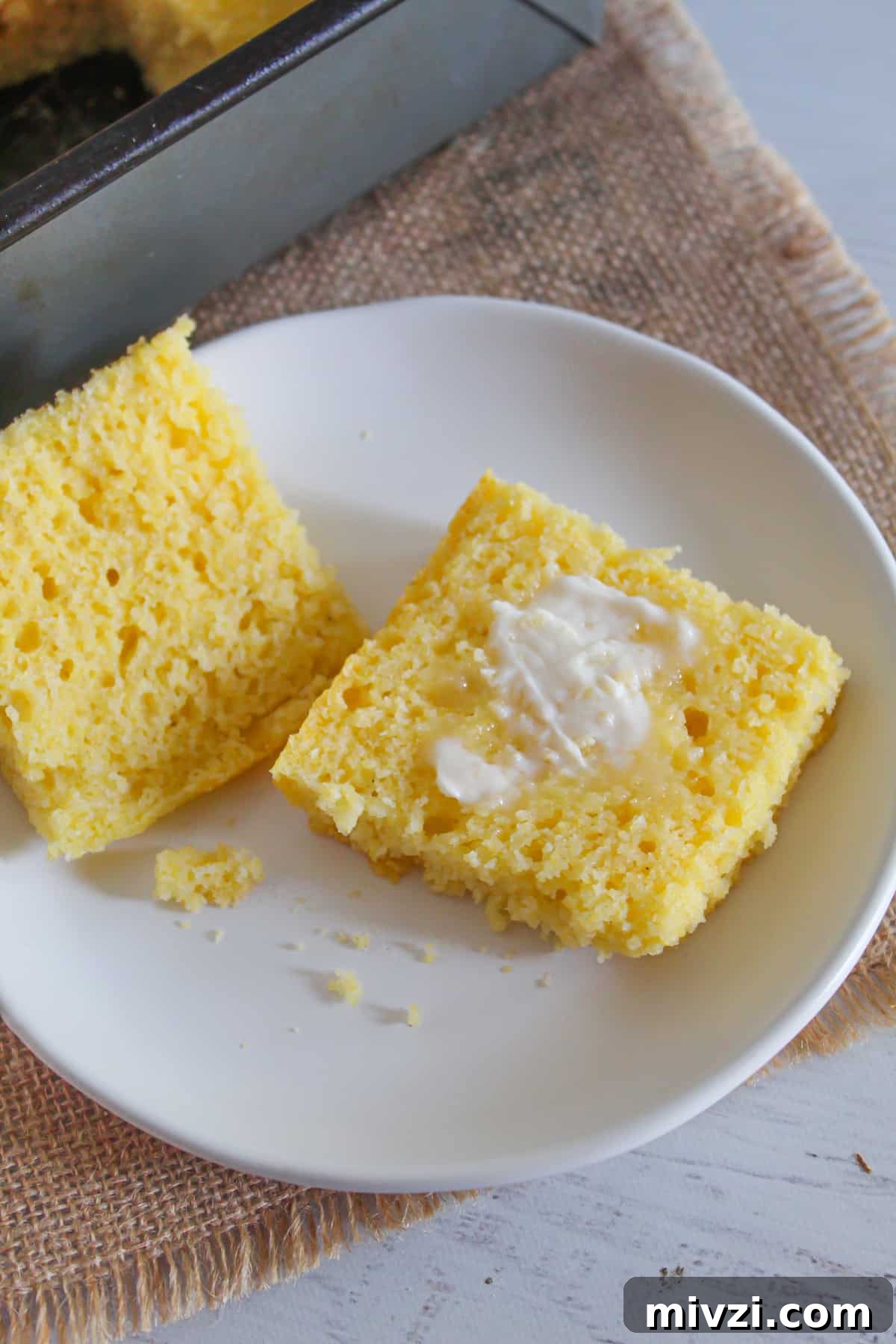
What makes this gluten free cornbread recipe so good? With simple ingredients and quick prep, this old fashioned, gluten free cornbread comes together easily. The result is a golden, tender cornbread that everyone will love—no one will guess it’s gluten free.
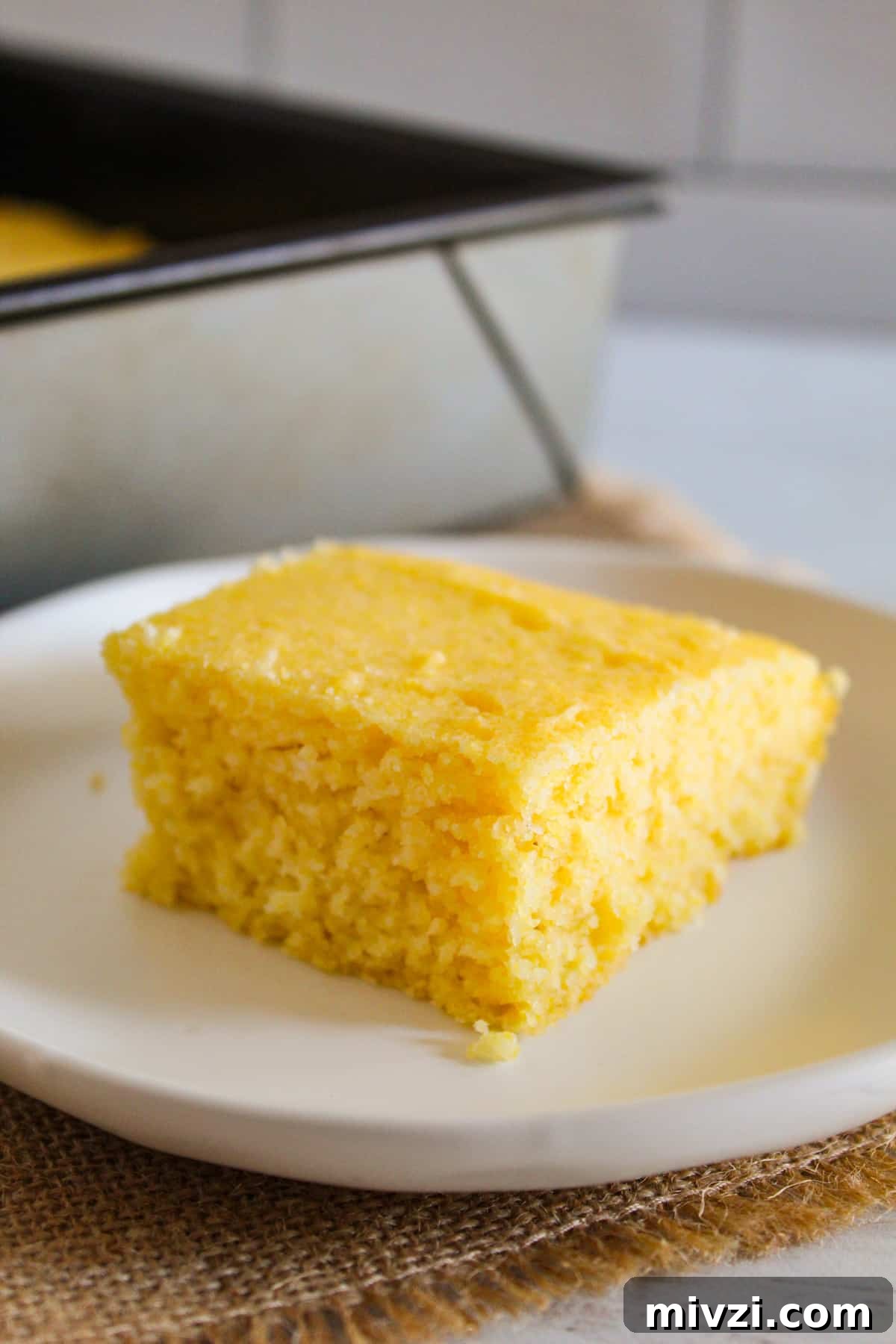
Southern-style cornbread is a wonderful quick bread. Light, slightly grainy and tender, it makes a perfect side for many meals. Using dairy-free milk makes this recipe easily adapted for dairy-free diets, proving that gluten- and dairy-free baking can still be delicious.
Table of Contents
Looking for more gluten free bread? Try focaccia, French bread, or gluten-free sourdough rolls for more ideas.
Best Gluten-Free Cornbread Recipe at a Glance
Finding a homemade cornbread recipe that’s both moist and flavorful can be tricky. Many gluten-free mixes are dry or contain little real corn. This recipe stands out because it uses a generous amount of cornmeal and only a touch of sugar for a mildly sweet profile.
Why you’ll love this cornbread:
- Classic, old-fashioned cornbread that’s simple to prepare.
- Fluffy in the center with a balanced, not-too-sweet flavor.
- Ready in about an hour from start to finish.
- A pleasing texture that’s both grainy and tender.
Is Cornmeal Gluten-Free?
Cornmeal is made from corn and does not contain gluten, so it is safe for people with celiac disease or anyone following a gluten-free diet. To be safe from cross-contamination, buy cornmeal labeled or certified gluten free when possible.
Ingredients & Substitutions in this Easy Gluten-Free Cornbread Recipe
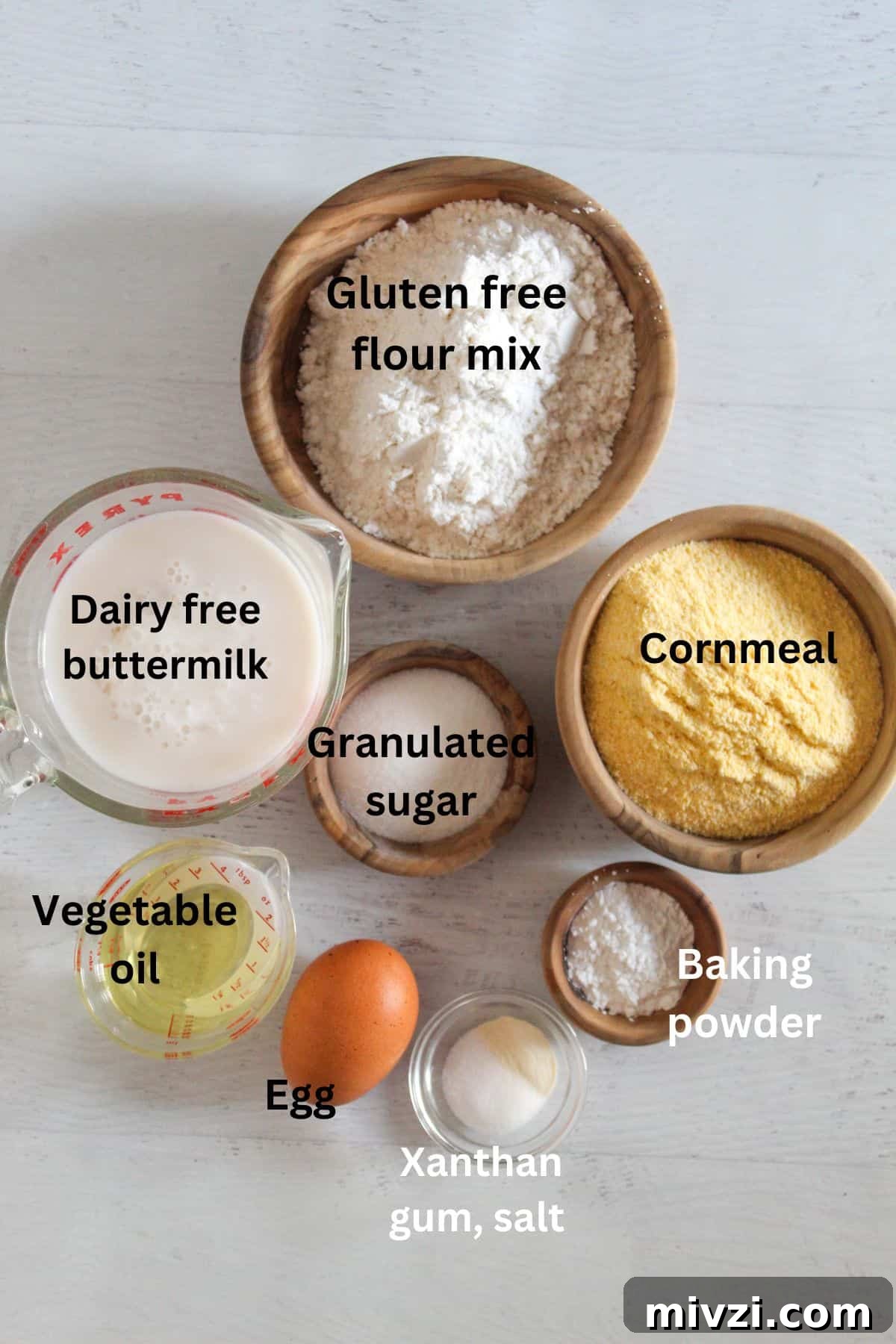
- Gluten-Free Flour Blend – Use a reliable all-purpose gluten-free flour blend. Different brands may vary in results.
- Cornmeal – Yellow cornmeal is used here; it’s essential for the cornbread texture and flavor.
- Granulated Sugar – The small amount of sugar can be reduced or replaced with a preferred sweetener, though the taste will change slightly.
- Xanthan Gum – Acts as a binder. If your flour blend already contains xanthan gum, don’t add more. Alternatives can be used if needed.
- Baking Powder – Provides rise; use a gluten-free baking powder.
- Salt – Adjust to taste or omit for a low-sodium diet.
- Buttermilk – This recipe uses buttermilk made from unsweetened almond milk and vinegar; sour cream or any dairy or nondairy milk can be used as alternatives.
- Vegetable Oil – Can be substituted with canola oil, melted coconut oil, or melted butter (dairy or vegan).
- Egg – Can be replaced with an egg substitute such as a flax or chia egg for a vegan option.
Measurements and step-by-step instructions appear in the recipe card below.
How to Make Dairy Free Buttermilk
To make dairy-free buttermilk: pour 2 tablespoons of white vinegar or lemon juice into a 1-cup measure, then fill to 1 cup with unsweetened almond milk. Let sit for about 5 minutes to sour, then use in the recipe.
How to Make This Gluten-Free Cornbread Recipe
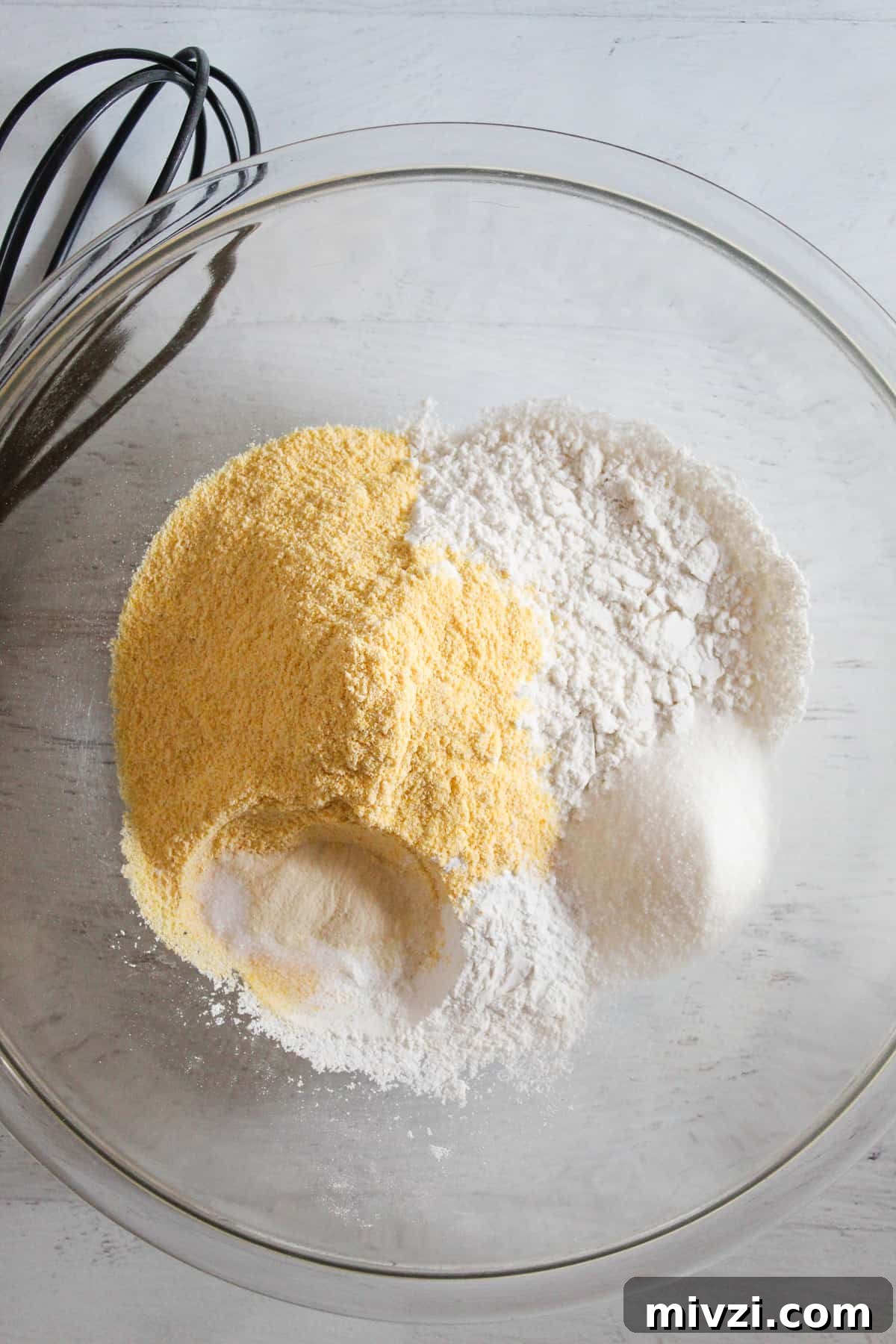
Step 1: Whisk together the dry ingredients—gluten-free flour mix, cornmeal, sugar, xanthan gum, baking powder and salt—in a large bowl.
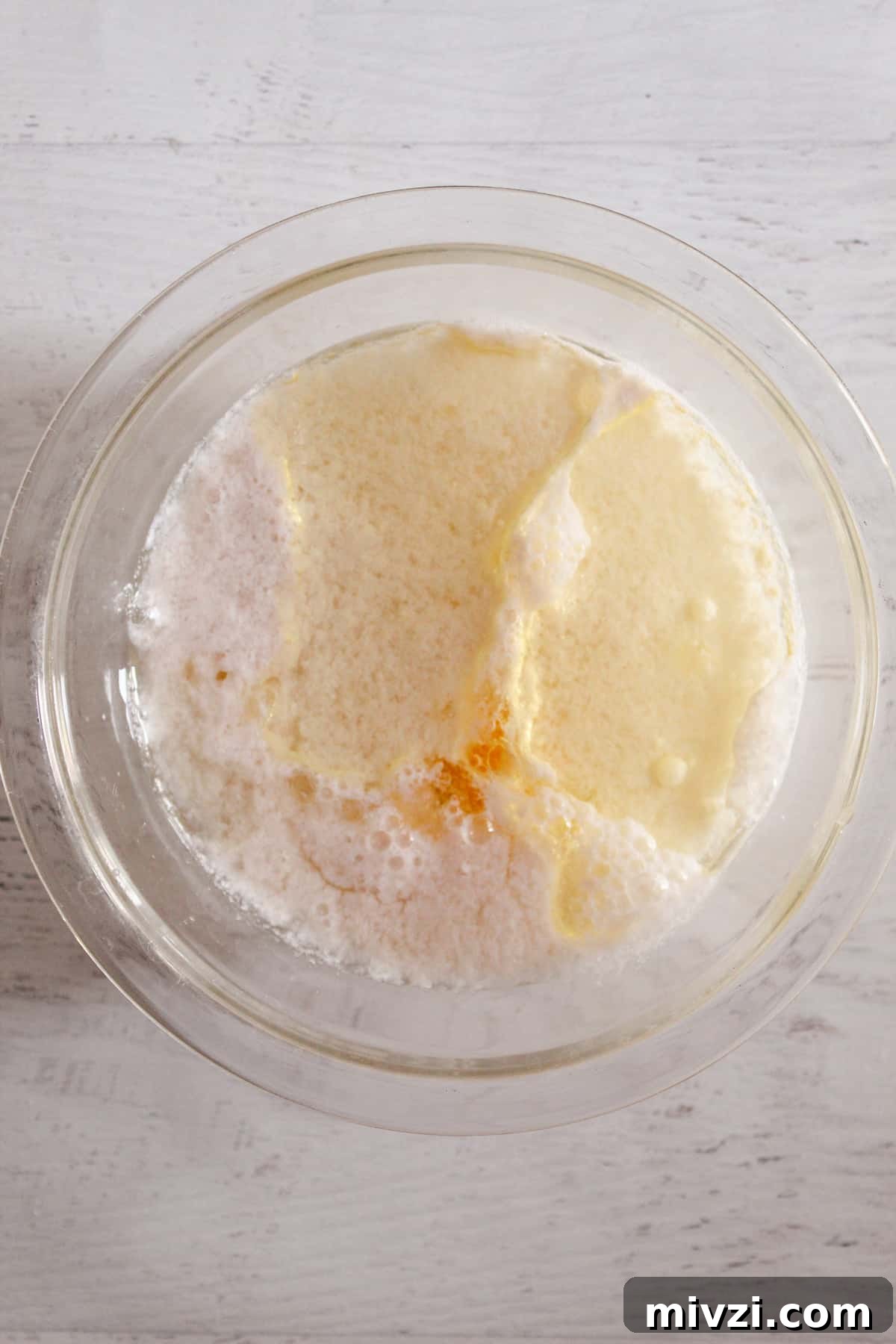
Step 2: In a medium bowl, whisk the buttermilk, oil and egg until combined.
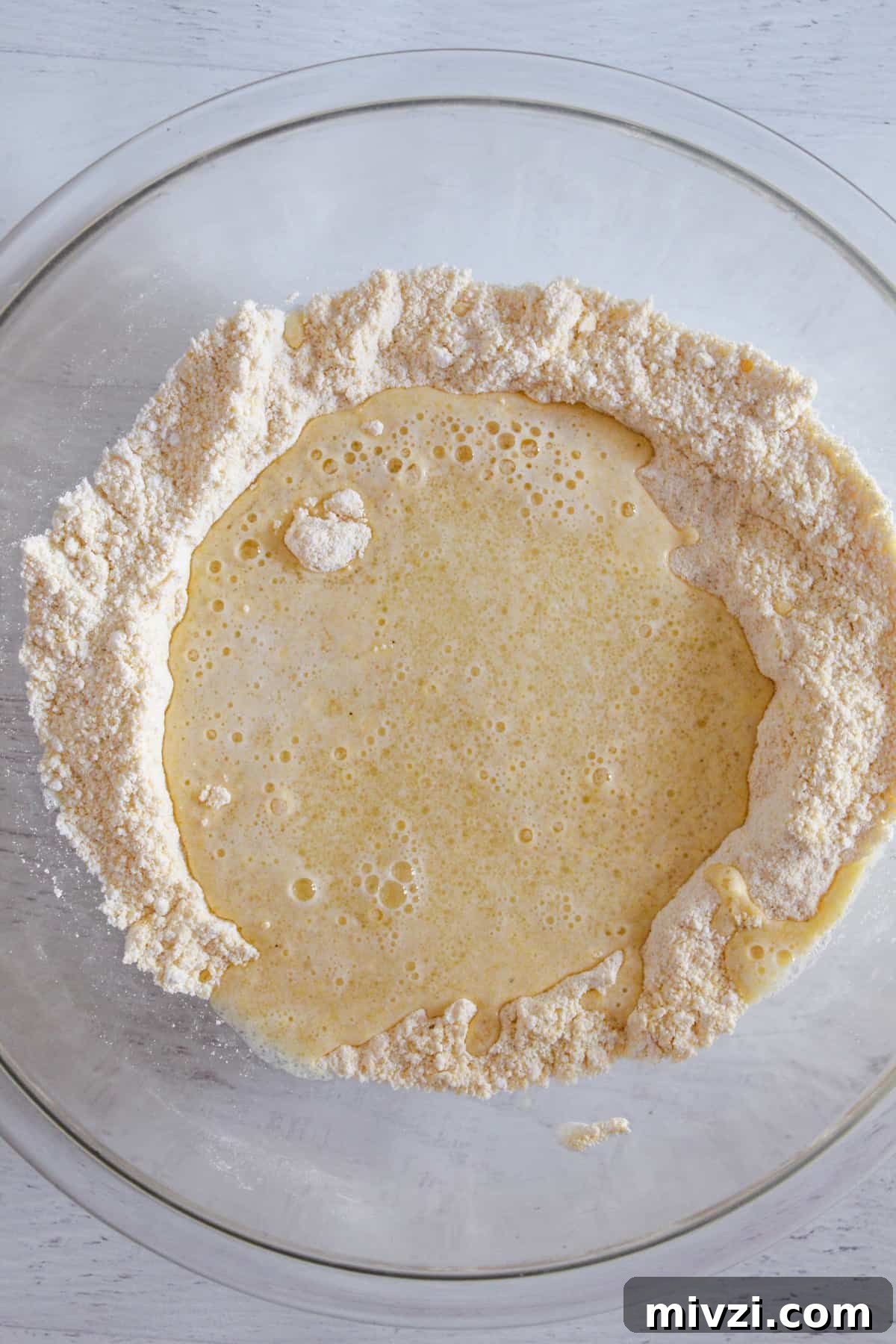
Step 3: Add the wet ingredients to the dry and stir until there are no lumps, about 30 seconds. Let the batter rest for 30 minutes while you preheat the oven to 400°F (200°C).
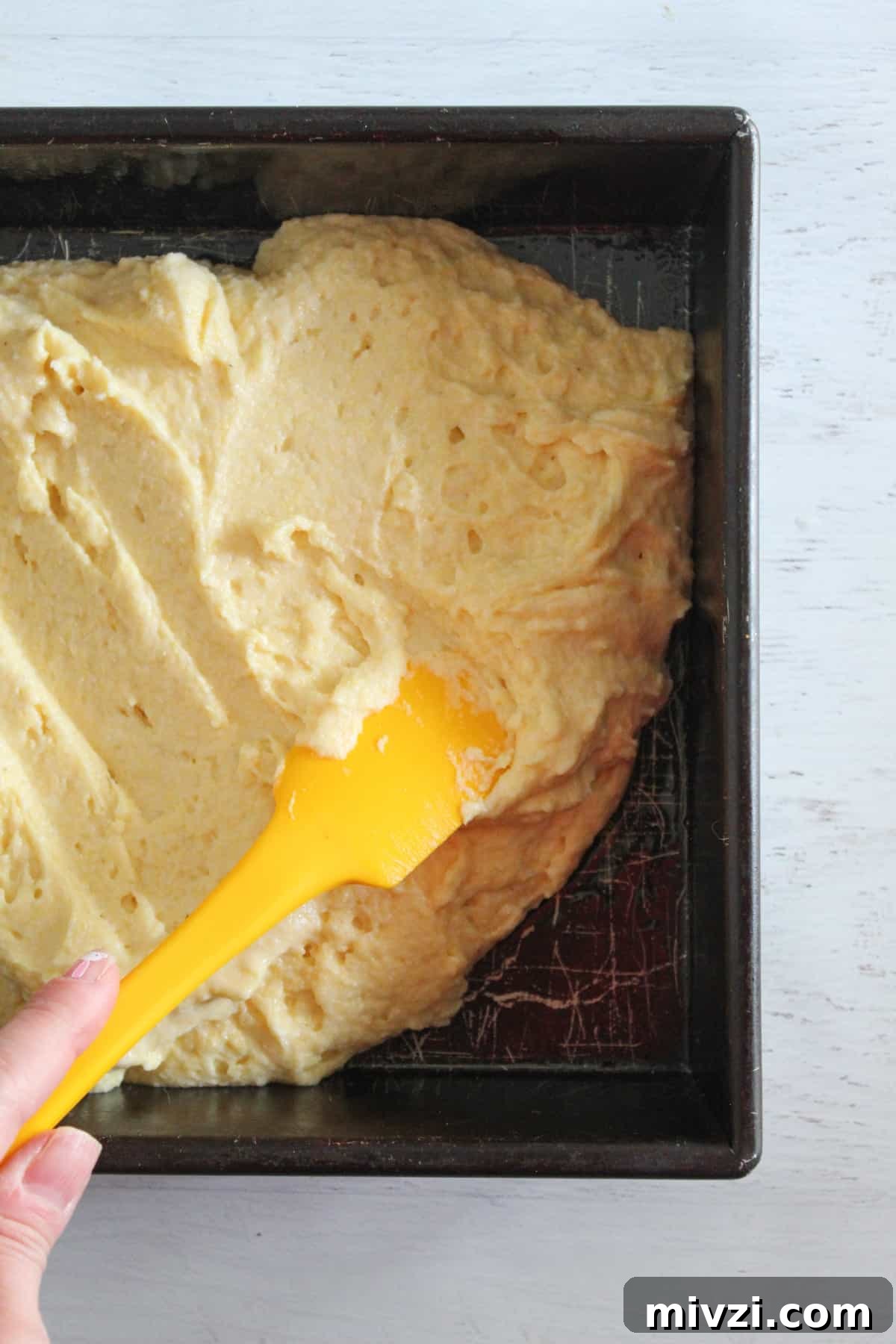
Step 4: Grease an 8×8″ pan or a cast-iron skillet and spread the batter evenly to the edges.
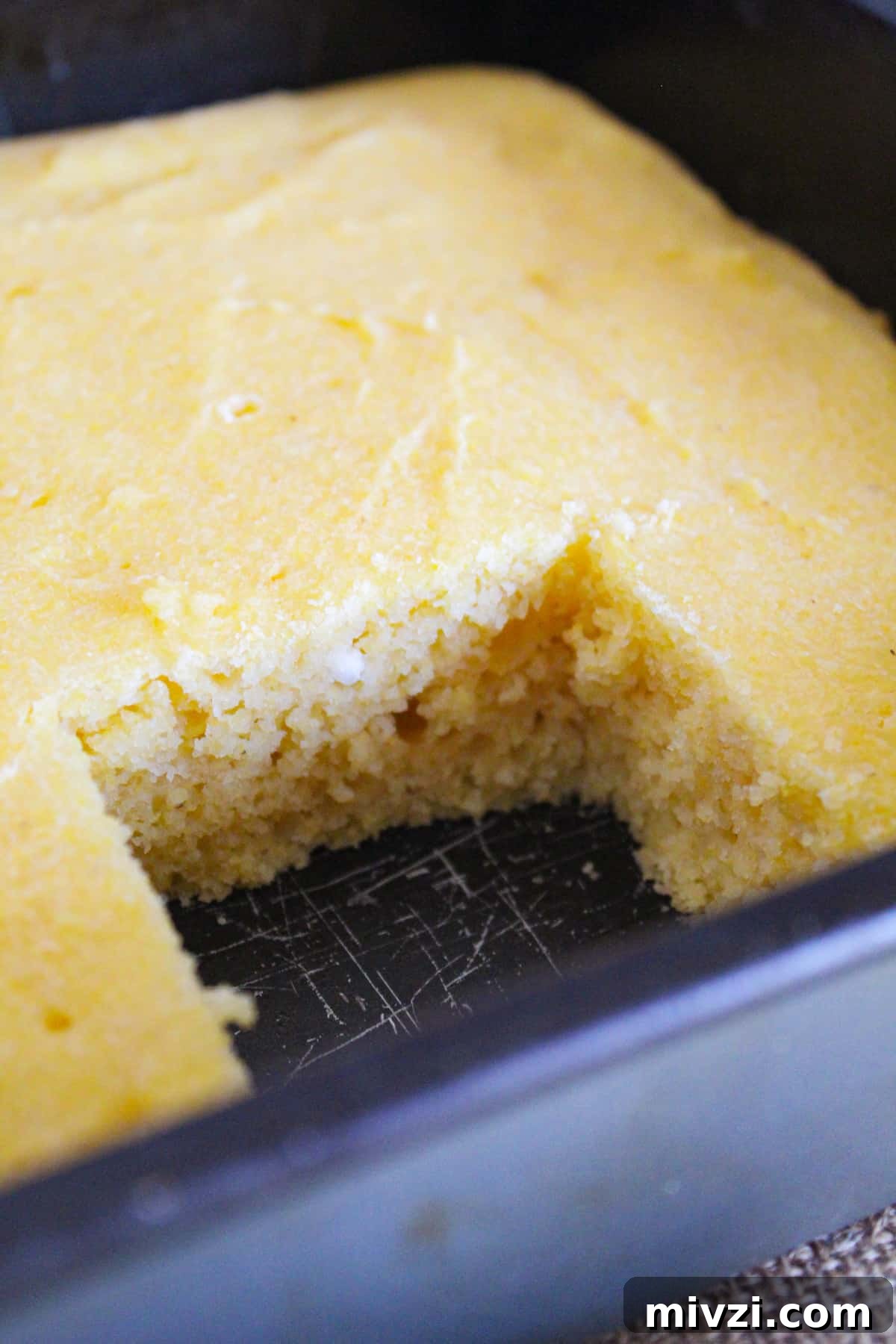
Step 5: Bake at 400°F for 20–25 minutes. Test with a toothpick inserted into the center; it should come out clean or with a few moist crumbs.
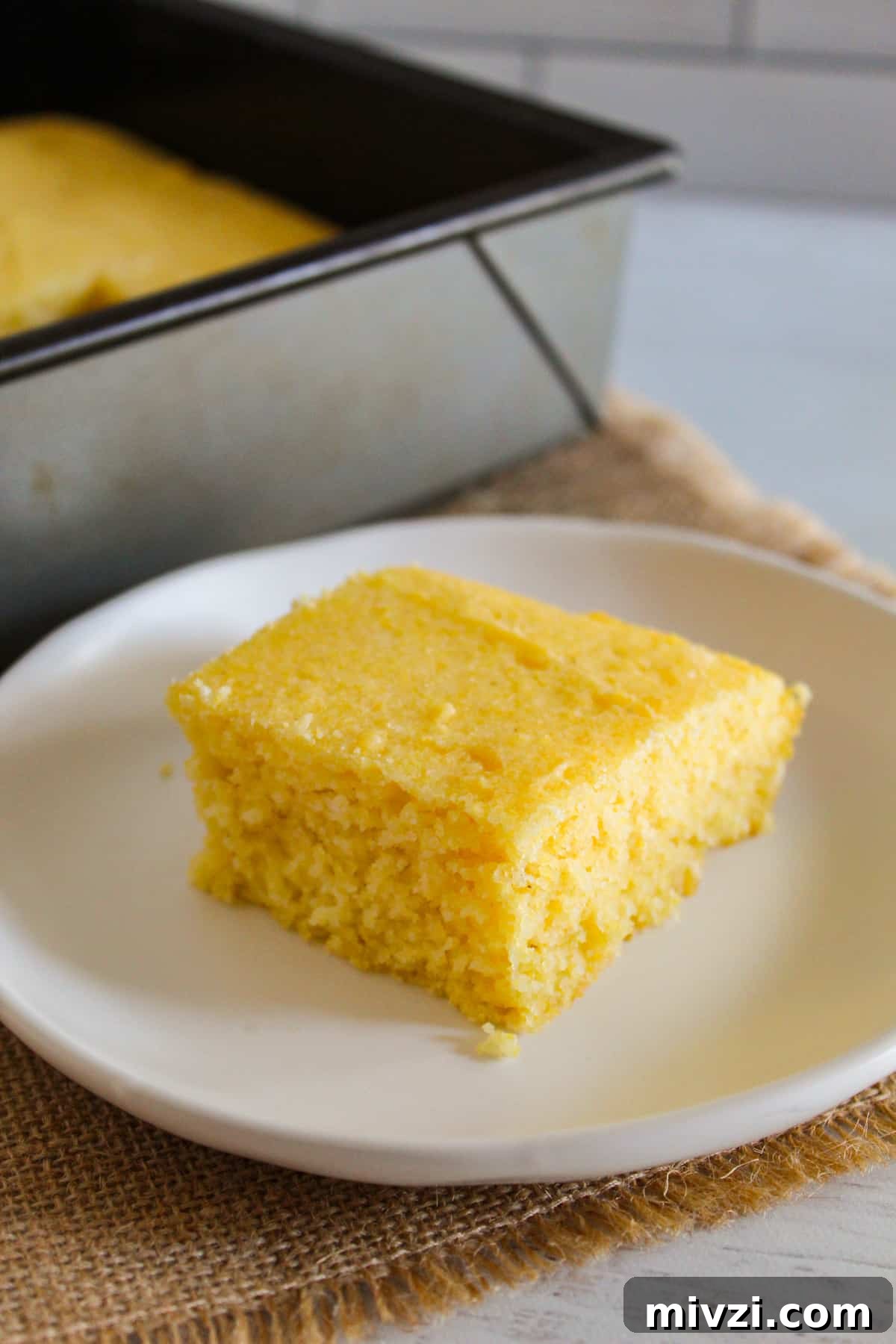
Step 6: Cool in the pan or skillet on a wire rack for 10–15 minutes, then cut into squares and serve warm.
Serving & Storing Leftover Cornbread
Serve cornbread with dairy-free butter, honey, or maple syrup. It pairs beautifully with chili, stews, soups, barbecue, beans, or as a breakfast side. Cornbread can also be used to make stuffing or dressing.
To store leftovers: Keep cornbread at room temperature in an airtight container for up to 2 days. For longer storage, freeze in an airtight container for up to one month; thaw and warm before serving.
Pro Tips for Making Great Cornbread
Whether you’re new to gluten-free cornbread or refining your technique, these tips will help you achieve light, tender results.
1. Use Room Temperature Ingredients
Let eggs and the buttermilk come to room temperature for about 30 minutes. Cold ingredients can result in a flatter texture and less rise.
2. Whisk the Batter Until Smooth
Use a whisk to remove lumps and ensure even mixing. This helps the batter set up evenly and produces a uniform crumb.
3. Let the Batter Rest for 30 Minutes
Resting helps the batter hydrate, which improves rise and results in a lighter, more tender cornbread.
4. Make Cornbread Muffins
To make muffins, pour batter into a greased muffin tin and bake. Start checking for doneness at 15 minutes.
Gluten Free Cornbread FAQs
Other gluten-free flour blends may work, but results can vary. Use a reliable all-purpose gluten-free blend for best results.
Use an egg substitute such as a flax or chia egg if you need an egg-free option.
Cover and store at room temperature for up to 2 days. For longer storage, freeze in an airtight container for up to one month.
Yes. Cornmeal is made from corn and contains no gluten. Choose certified gluten-free cornmeal to avoid cross-contamination.
A medium grind gives a pleasant balance of texture and tenderness. Fine cornmeal produces less grit, while coarse yields a heartier bite.
Other Gluten-Free Recipes
If you made and enjoyed this recipe, please leave a review and rating below!
How to Make Gluten Free Cornbread (Dairy Free)
Ingredients
- 160 grams gluten free flour mix (about 1 1/4 cup)
- 125 grams cornmeal (about 3/4 cup)
- 2 Tablespoons granulated sugar
- 1 teaspoon xanthan gum
- 2 teaspoons baking powder
- 1/2 teaspoon salt
- 1 cup buttermilk (made with almond milk)
- 1/4 cup vegetable oil
- 1 large egg
Instructions
- In a large bowl, whisk together the flour mix, cornmeal, sugar, xanthan gum, baking powder and salt.
- In a medium bowl, whisk together the buttermilk, oil and egg until combined.
- Add the wet ingredients to the dry and stir until no lumps remain, about 30 seconds.
- Allow the batter to rest for 30 minutes while you preheat the oven to 400°F (200°C).
- Grease an 8×8″ baking pan or cast-iron skillet and pour in the batter. Spread to the edges.
- Bake 20–25 minutes or until a toothpick inserted into the center comes out clean.
- Cool in the pan for 10–15 minutes on a wire rack, then cut into squares and serve warm.
Notes
- This recipe was tested with a specific gluten-free flour mix; other blends may yield different results.
- Swapping sugar for alternate sweeteners will change the flavor profile slightly.
- Use a whisk to remove lumps and let the batter rest before baking for best texture.
- Check doneness with a toothpick; a few crumbs are fine but there should be no wet batter.
- Serve with butter, honey, or maple syrup. Store leftovers covered at room temperature for up to 2 days or freeze for longer storage.
Nutrition
Carbohydrates: 26 g |
Protein: 4 g |
Fat: 9 g |
Fiber: 3 g