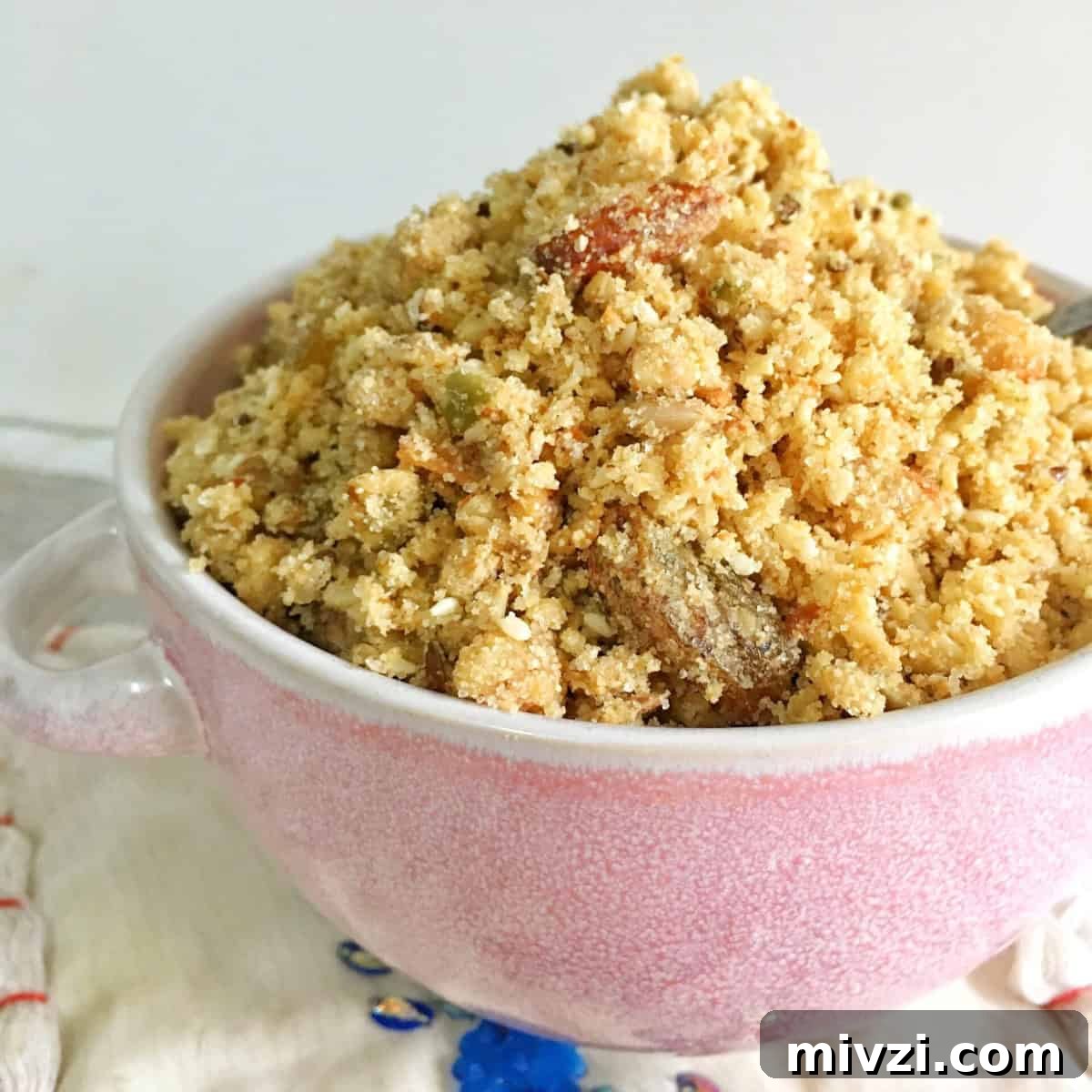
Alhamdulillah, I was blessed with a sweet baby boy on 15 November 2020. As I write this he’s just about eleven weeks old.
These past weeks have been a beautiful, much-anticipated time after a stressful pregnancy during the pandemic. I was fortunate to spend the first 40 days after Baby Q’s birth at my mother’s house for the traditional Urdu “chilla” — a period of rest and healing. My family looked after me, fed me and helped me return to my usual self. There were simple comforts: fresh rotis, nourishing yakhnis, warm milk, tari waale saalan, gajar ka halwa and, of course, Panjeeri.
For my first post-baby recipe it felt right to share my mother’s Panjeeri — after all, I’ve been eating a lot of it!
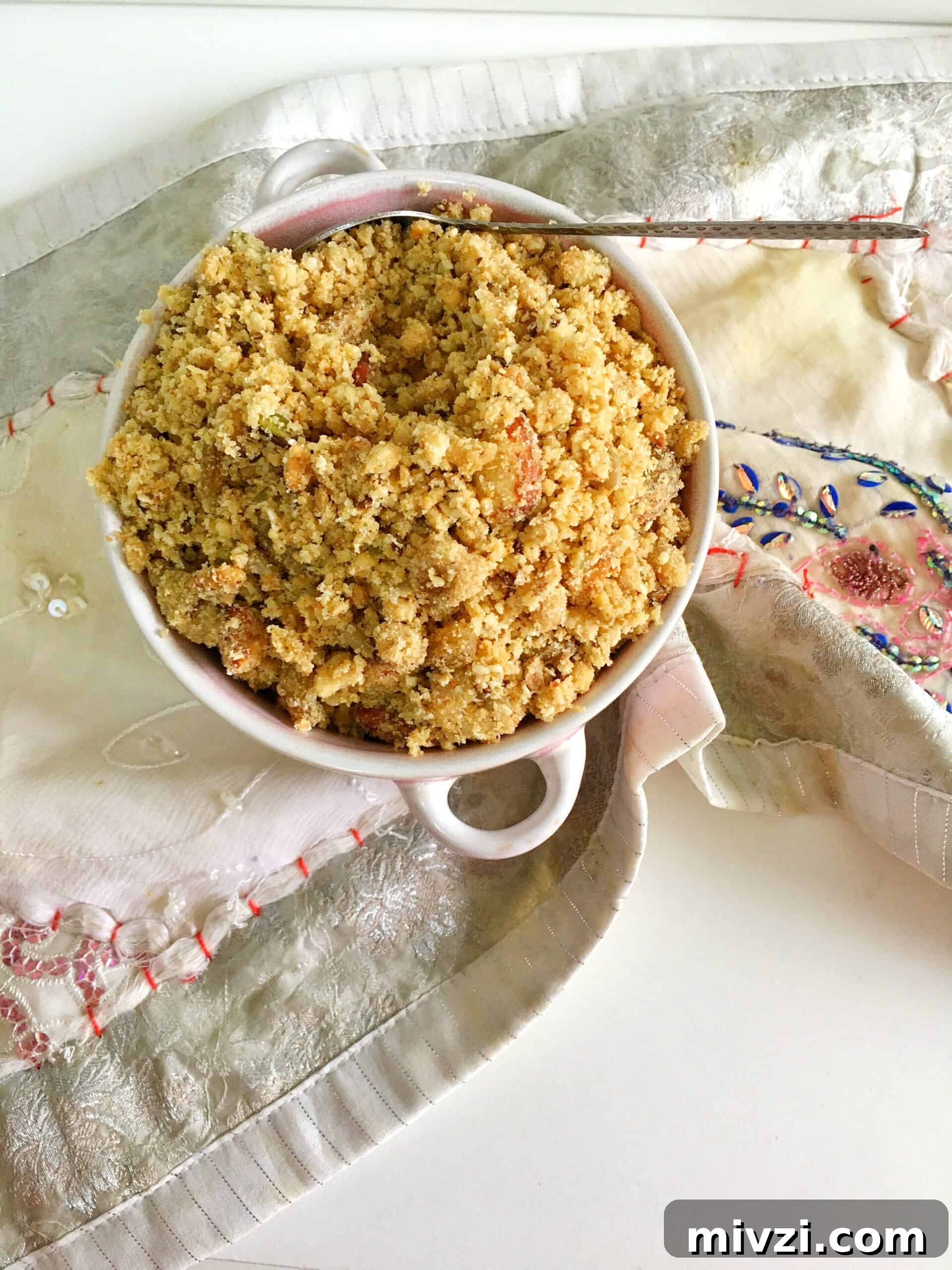
Both times after giving birth, Panjeeri played a big role in my recovery. My mother’s large joint family turned even making Panjeeri into a small celebration.
For my first child, my chachi made the Panjeeri — nutty, sweet and full of the usual seeds and nuts. For Baby Q, my mother took charge.
A few days before labour we discussed the ingredients. My mother said, “Panjeeri is primarily medicinal — taste comes second. It shouldn’t be overloaded with sugar; focus on wholesome, fresh and organic nuts and seeds. We make it after delivery to help the woman heal, not to serve a dessert.”
Since she said that, my view of healing foods — not just Panjeeri — has shifted significantly.
[feast_advanced_jump_to]
🤔 What is Panjeeri?
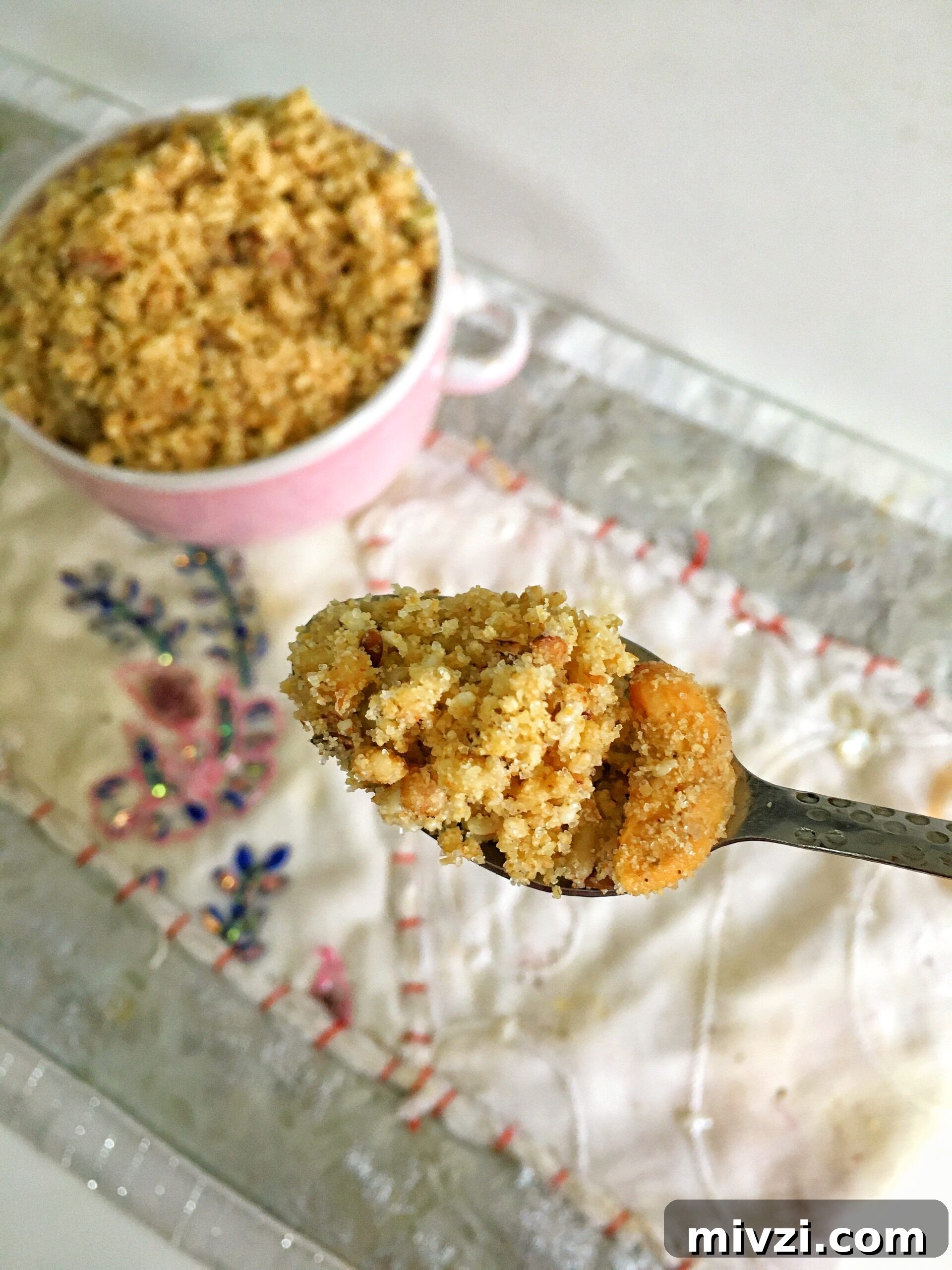
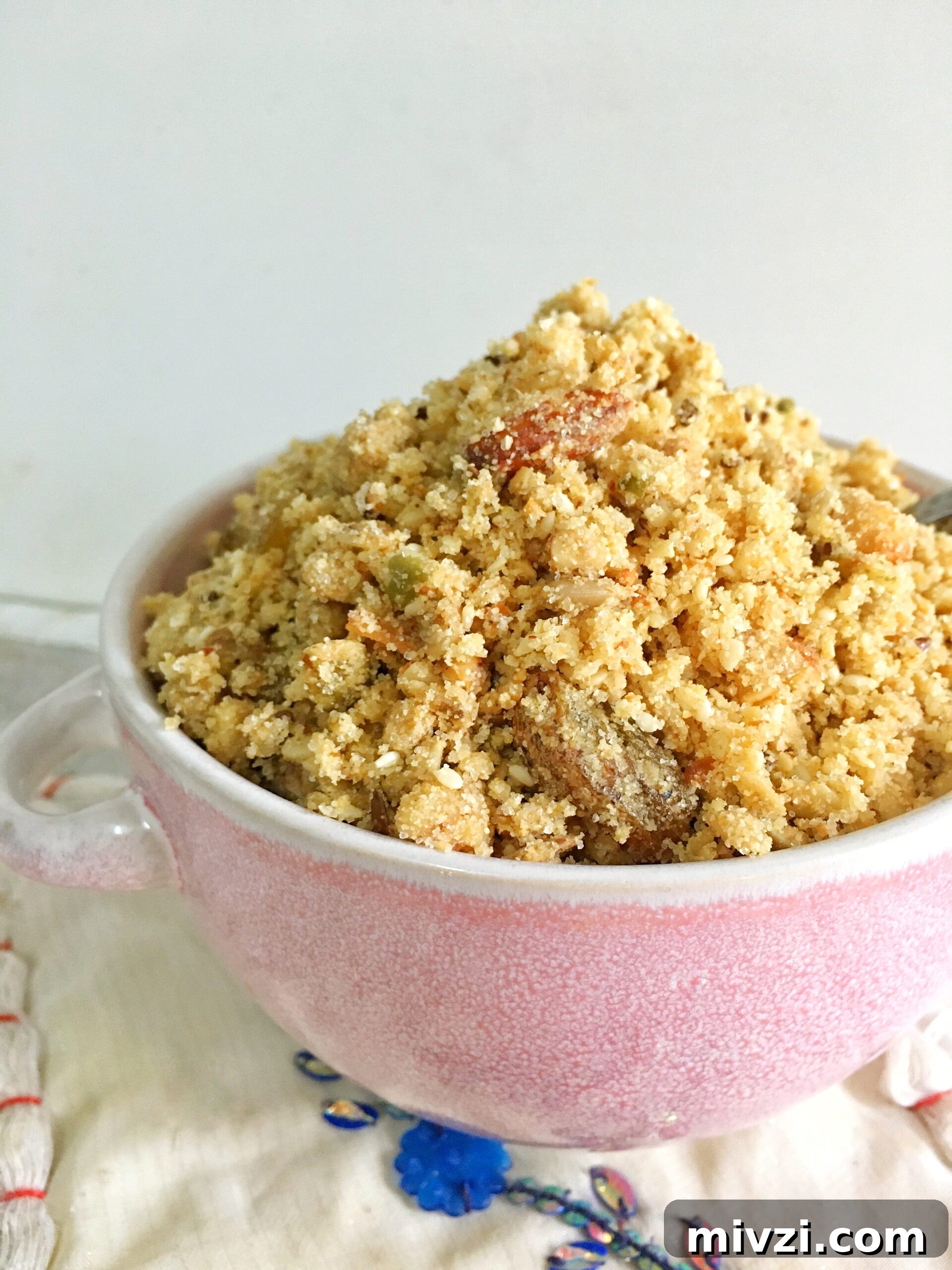
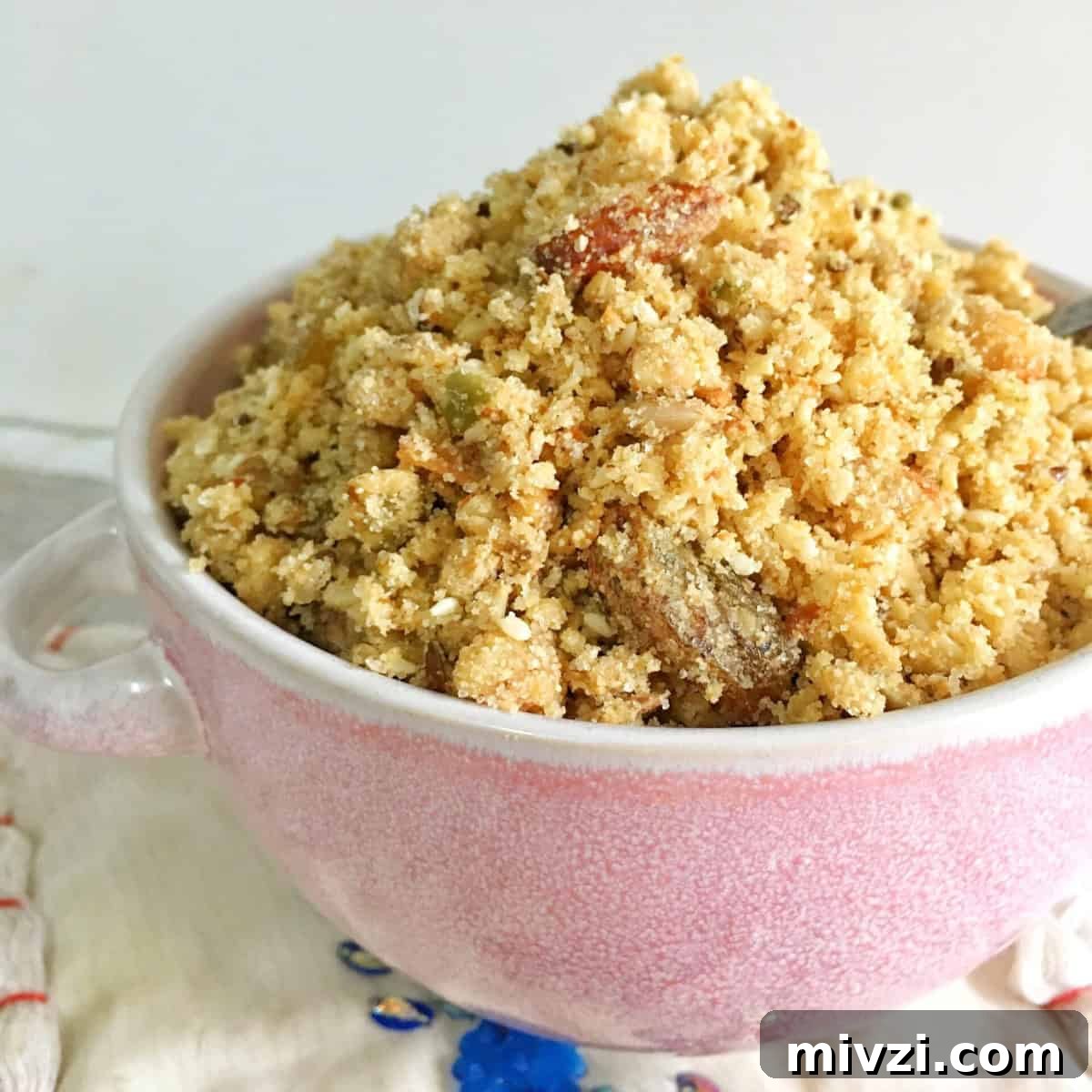
Panjeeri is a toasted blend of nuts, seeds and semolina cooked in ghee and ground into a coarse, crunchy mix — think of it as Desi granola, but with traditional medicinal benefits.
It’s so much more than just granola.
💪🏼 Benefits of Panjeeri
Panjeeri has been used for centuries as a warming supplement, especially for postpartum women because of its healing and strengthening properties. It’s calorie-dense and rich in healthy fats to aid recovery, and many ingredients can support lactation.
Because of its warming nature, it’s also useful for bone health, muscular aches, recovery after illness or surgery, and during general weakness — any time you need to rebuild strength. Its high fat and calorie content make it a good snack for children and for anyone who needs to gain weight. It’s particularly comforting in winter.
Cliché though it may sound, I consider Panjeeri a superfood. I believe it helped my recovery after Baby Q’s birth: I made fresh batches for weeks and found my energy improved, helping me cope with the demands of a new baby.
🥥 Ingredients
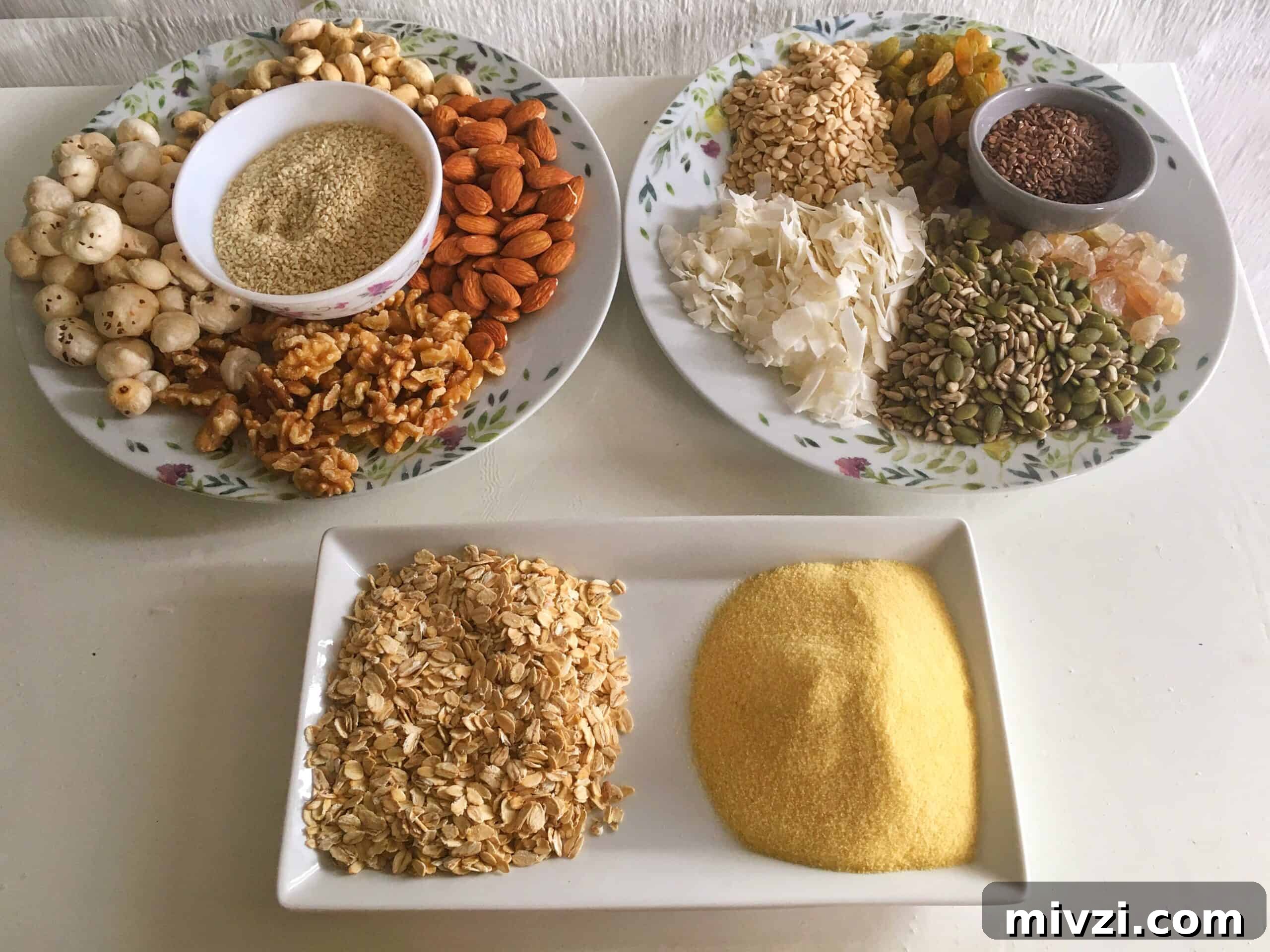
Panjeeri is a mix of nuts and seeds: almonds, cashews, walnuts, pistachios, coconut, lotus seeds (phool makhana), melon seeds (charmagaz), gum arabic (goond), raisins and more. Some recipes use semolina (sooji), others use wholewheat flour or lentils — I prefer semolina because it’s traditionally thought to support lactation.
My mother’s version includes extra ingredients that boost nutritional value. She adds plenty of sesame seeds for calcium, flaxseeds for digestive and lactation support, sunflower and pumpkin seeds, and oats for their lactation-promoting properties. All these blend beautifully with the classic nutty profile.
My mother insisted on using organic grass-fed ghee — “Why invest in good nuts and seeds if we’re going to fry them in cheap vanaspati?” she asked. Ghee isn’t just flavour; it contributes to the warming, restorative quality of this recipe. If you prefer not to use ghee, coconut oil can work, but avoid butter (milk solids burn) and cheap vegetable ghee.
One of the best things about making Panjeeri is that there’s no single rigid recipe. The version below is how my mother makes it, but you can adapt it freely.
📃 Substitutions
Swap nuts according to preference — hazelnuts, pistachios or Brazil nuts work well. Add hemp or chia seeds, dried dates, or extra coconut and dried fruit. If a specialty ingredient isn’t available, omit it and increase others; I recommend keeping the semolina. For sweetening, use coconut sugar, jaggery (gurr), white sugar or brown sugar — powdered for an even mix.
❓ Finding ingredients
Specialty items like melon seeds, lotus seeds and gum arabic are easiest to source at large Desi grocery stores. Otherwise order specialty ingredients online and find the rest at supermarkets or health-food shops.
⭐ Tips
- Fry ingredients separately. Different items brown at different rates — coconut browns quickly, oats take longer.
- Process small seeds separately. Flax and sesame powder faster and can become paste-like if over-processed with large nuts.
- If your mix becomes buttery, roast extra semolina and mix it in to dry out the consistency.
- I like a coarse texture with some whole nuts for crunch. If you prefer finer Panjeeri, blend longer.
- If you avoid ghee, use coconut oil. Don’t use butter or other oils that aren’t suitable for toasting.
- If the finished mix looks pale, the ingredients likely needed more toasting. Re-toast before adding sugar — never re-toast after sugar has been mixed in.
- To extend shelf life, keep dried fruit like raisins separate when blending.
Other healing recipes you may like
- Chicken Yakhni
- Sooji ka Halwa (semolina pudding)
I’ve wanted to share this recipe for a while — life with two children kept it on the back burner. It’s going well and I’m enjoying every snuggle, even the 3am ones. That’s partly why this recipe took its time to appear here.
I’m excited to share it now because it’s nourishing and delicious. I savour every bite, knowing it’s helping me recover and keeping my energy up as a mum of two. I keep a small container by my bedside and another in the kitchen to snack on whenever I get a moment.
So here it is — enjoy this recipe, with love. x
📋 Recipe
Panjeeri | Panjiri
Ingredients
- ½ cup (75 g) almonds
- ½ cup (70 g) cashews
- ½ cup (60 g) walnuts
- ½ cup (20 g) lotus seeds (phool makhana)
- ½ cup (50 g) melon seeds (charmagaz)
- ½ cup (45 g) coconut flakes or desiccated coconut
- ½ cup (45 g) oats
- ½ cup (80 g) sesame seeds
- ¼ cup (35 g) sunflower seeds
- ¼ cup (20 g) pumpkin seeds
- ¼ cup (40 g) gond (gum arabic)
- 2 tbsp (20 g) whole flaxseeds
- ½ – ¼ cup (75-150 g) raisins (adjust to taste)
- 1 cup (175 g) semolina (sooji)
- Ghee — as needed (preferably organic grass-fed)
- ½ cup (100 g) powdered sweetener of choice (white sugar, brown sugar, coconut sugar, gurr)
Instructions
- Heat 2 tablespoons ghee in a pan. Top up ghee as needed. Use a slotted spoon to fry and remove ingredients, stirring often.
- Fry almonds over medium-low heat until dark brown and fragrant. Remove and set aside.
- Fry cashews until golden and fragrant. Remove and set aside.
- Fry walnuts until they darken and smell fragrant. Remove and set aside.
- Fry lotus seeds (phool makhana) — they absorb a lot of ghee. Cook until they change colour and become crunchy. Remove and set aside.
- Fry melon seeds until golden and fragrant. Remove and set aside.
- Fry coconut — it browns quickly. Remove and set aside.
- Fry oats in ghee until golden (about 10 minutes). Remove and set aside.
- Fry sesame seeds until golden and fragrant. Remove and set aside.
- Fry sunflower seeds until slightly darkened and fragrant. Remove and set aside.
- Fry pumpkin seeds until darkened and fragrant. Remove and set aside.
- Add gond to ghee and fry until puffy and the spluttering stops. If it turns very hard, omit it from the final mix.
- Fry flaxseeds for 3–4 minutes. Remove and set aside.
- Fry raisins until they swell — this happens quickly. Remove and place in a separate bowl.
- Fry semolina in ghee, stirring often, until dark and fragrant (up to 12 minutes). Remove and set aside with raisins.
- Transfer the large bowl of toasted nuts and seeds to a food processor and grind coarsely. Process smaller seeds separately if needed.
- Stir in the fried raisins, semolina and powdered sugar. Adjust sweetness to taste.
Notes
📩 Want me to email this recipe to you?
Enter your email and I’ll send it over. You’ll also receive occasional recipe updates and exclusive content from Fatima Cooks.
By submitting your email you consent to receive messages. You can opt out any time.
I’d love to hear about it — please leave a rating and comment on the blog, or share a photo on Instagram!