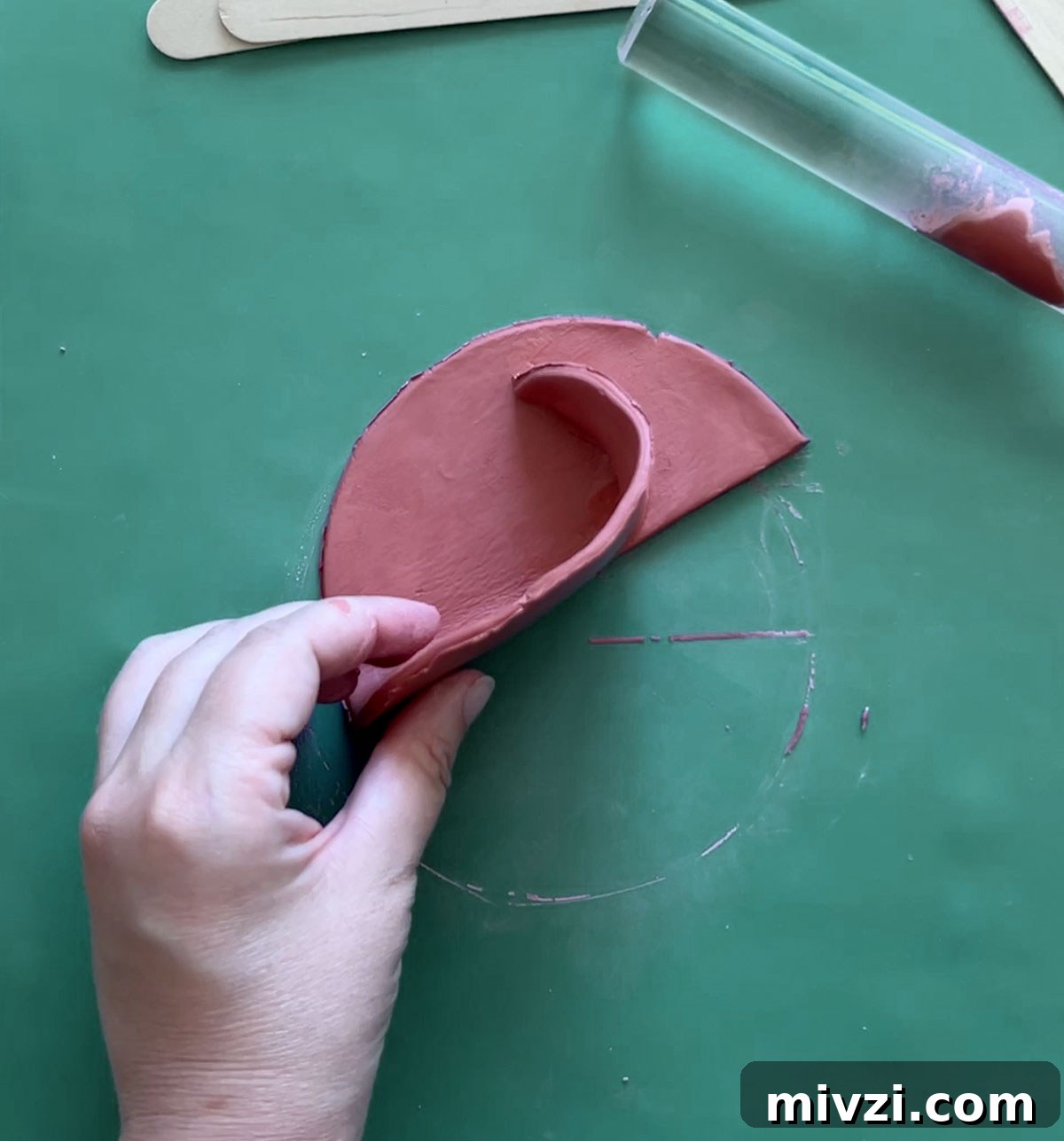
I’ve previously shared a guide on making a DIY wire sculpture with an air-dry clay base. You should paint that base, but can you do so before it dries?
You should not paint air-dry clay while it is wet or still damp. Paint adds moisture and can interfere with the clay’s natural drying process, causing uneven shrinkage and leading to cracks or other deformities. Wait until the clay is fully dry, or color it before molding if you want the pigment incorporated into the clay itself.
Shaping and sculpting air-dry clay requires time and care, and painting too soon can ruin that effort. Read on to learn when and how to paint air-dry clay correctly so your finished piece looks its best.
Why You Shouldn’t Paint Air-Dry Clay Before It Dries
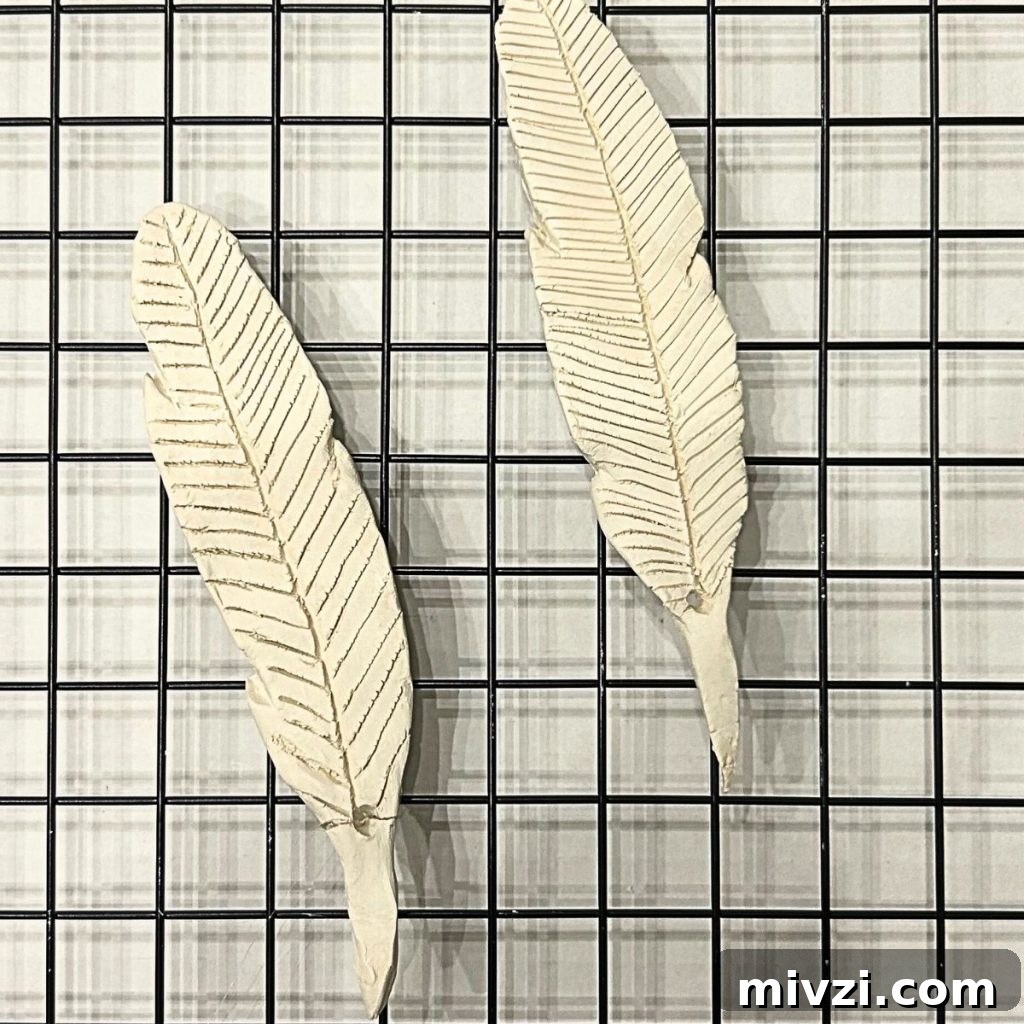
Painting air-dry clay while it is still wet or damp is not recommended because the paint introduces additional moisture. Air-dry clay contains water to make it workable; adding paint too early can create uneven moisture levels across the piece. As the clay dries, it shrinks. If some areas have more moisture than others, those areas will shrink at different rates and may develop visible, sometimes large, cracks.
To avoid such damage, always let your piece dry completely before applying paint. If you are new to clay work, consult a beginner’s guide to air-dry clay to learn helpful techniques for joining, smoothing, and drying pieces correctly.
How Long Does Air-Dry Clay Take to Dry?
If you plan to paint after molding, expect a waiting period. Generally, air-dry clay takes about 2 to 3 days (48 to 72 hours) to dry at room temperature, though thicker pieces require more time. During drying, keep sculptures undisturbed and avoid direct sunlight or extreme heat.
Do not try to speed drying by using an oven, kiln, or hair dryer, as excessive or uneven heat can cause more harm than good, leading to cracking from uneven shrinkage. Some clays and specialized products can be baked, but this applies only to materials designed for heat curing—check the manufacturer’s instructions before attempting any heat-based method.
How to Tell When Air-Dry Clay Is Fully Dry
Use these cues to determine if your air-dry piece is ready for paint:
- Temperature: Dry clay feels room temperature rather than cool. Coolness can indicate retained moisture.
- Firmness: The clay should be hard when pressed. If it feels soft, springy, or releases moisture, it needs more time.
- Color change: Many clays darken when wet and lighten as they dry. Resin-based clays may also appear more translucent when cured.
Remember that larger or thicker sculptures need longer drying times. Give them ample time to dry through to the core before painting or sealing.
How to Paint Air-Dry Clay
You can add color to air-dry clay in two main ways: dye the clay before shaping or paint it after it has fully dried. Dyeing integrates color into the material and avoids issues caused by applying liquid paint to damp clay.
White clay is a good choice when you plan to paint, as colors appear brighter and are easier to control.
Painting After the Clay Has Dried
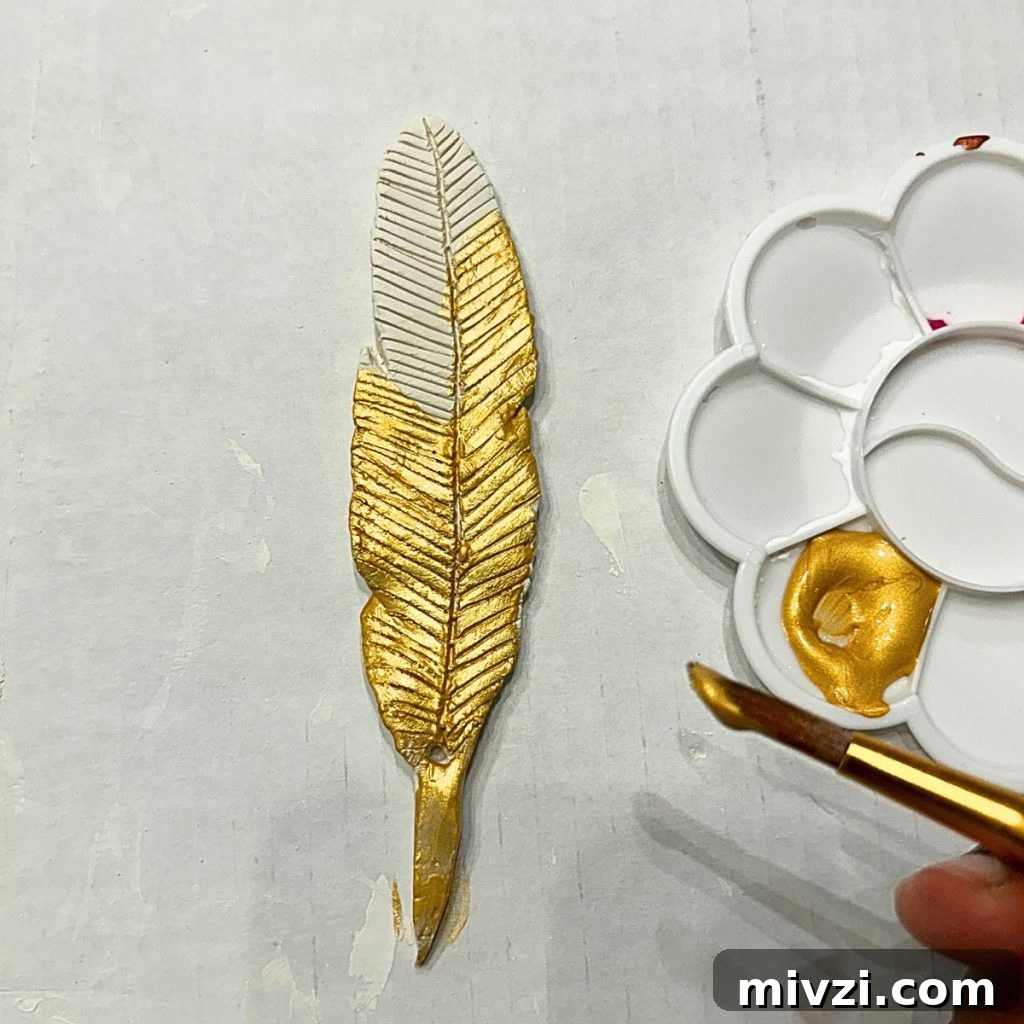
Follow these steps to paint a fully dried air-dry clay piece:
- Ensure the sculpture is completely dry throughout.
- Choose an appropriate paint for your clay type—tempera, acrylic, or watercolor paints are common choices for many air-dry clays.
- Prepare tools and workspace: quality brushes, a covered surface, and clean water or solvents for brush cleaning.
- Paint in thin layers, allowing each layer to dry before adding more or switching colors to prevent smearing.
- Seal the painted piece with a suitable sealant recommended for your clay and paint combination to protect the finish.
Keep your hands and tools clean during painting to avoid transferring dirt or oils to the surface.
Coloring Clay Before Molding
To dye clay before molding, follow these steps:
- Gather clay and your chosen colorant—options include acrylic, tempera, poster paint, oils, food coloring, or pastel chalk.
- Prepare your workspace, wear gloves if desired, and protect surfaces.
- Knead the clay to warm and soften it, which helps color absorption.
- Add a small amount of colorant and knead thoroughly; you can add more as needed, but start small to avoid over-saturation.
- Sculpt the colored clay and allow it to dry fully before any further decoration or sealing.
What Paints Work Well on Air-Dry Clay?
Not all paints behave the same on every clay, so choose one suited to your material and finish goals. Suitable options include:
- Tempera – often recommended for school projects and easy coverage
- Acrylic – versatile, durable, and widely used by crafters
- Watercolor – usable on some clays but can be harder to control
- Oil paints – possible but slower to dry and harder to clean up
- Food coloring or icing colors – good for dyeing clay before shaping
- Pre-made colorants – convenient but sometimes limited and costly
- Markers – including acrylic or permanent markers for fine details
- Poster paint or nail polish for small accents
If you want a glossy finish, choose an appropriate sealer once paint is fully dry to achieve the sheen you want.
Frequently Asked Questions (FAQs)
Can you paint air-dry clay when wet?
No. Painting wet air-dry clay is likely to cause cracking and other deformities. Always allow the clay to dry thoroughly before painting, or dye it before molding if you prefer to integrate color into the material itself.
How do you know when air-dry clay is dry?
Check by touch and appearance. Dry clay should feel room temperature and firm, not cool or damp. Color often lightens as it dries; uneven coloration usually indicates that the piece needs more time.
How long does air-dry clay take to dry before painting?
Typically 48 to 72 hours at room temperature, depending on thickness. Larger or denser pieces can take longer, so be patient before applying paint or sealants.
Can you paint air-dry clay before it dries?
It’s not advisable. Painting before the clay is fully dry introduces extra moisture and can lead to cracking or other surface issues. Wait until the piece is completely cured, or color the clay prior to shaping.
Final Thoughts
Painting is typically the final step for air-dry clay projects, and doing it correctly protects your work from cracks and deformities. Either dye the clay before molding or wait until the piece is fully dry before painting and sealing. A little patience during drying will give you a much better finished result.