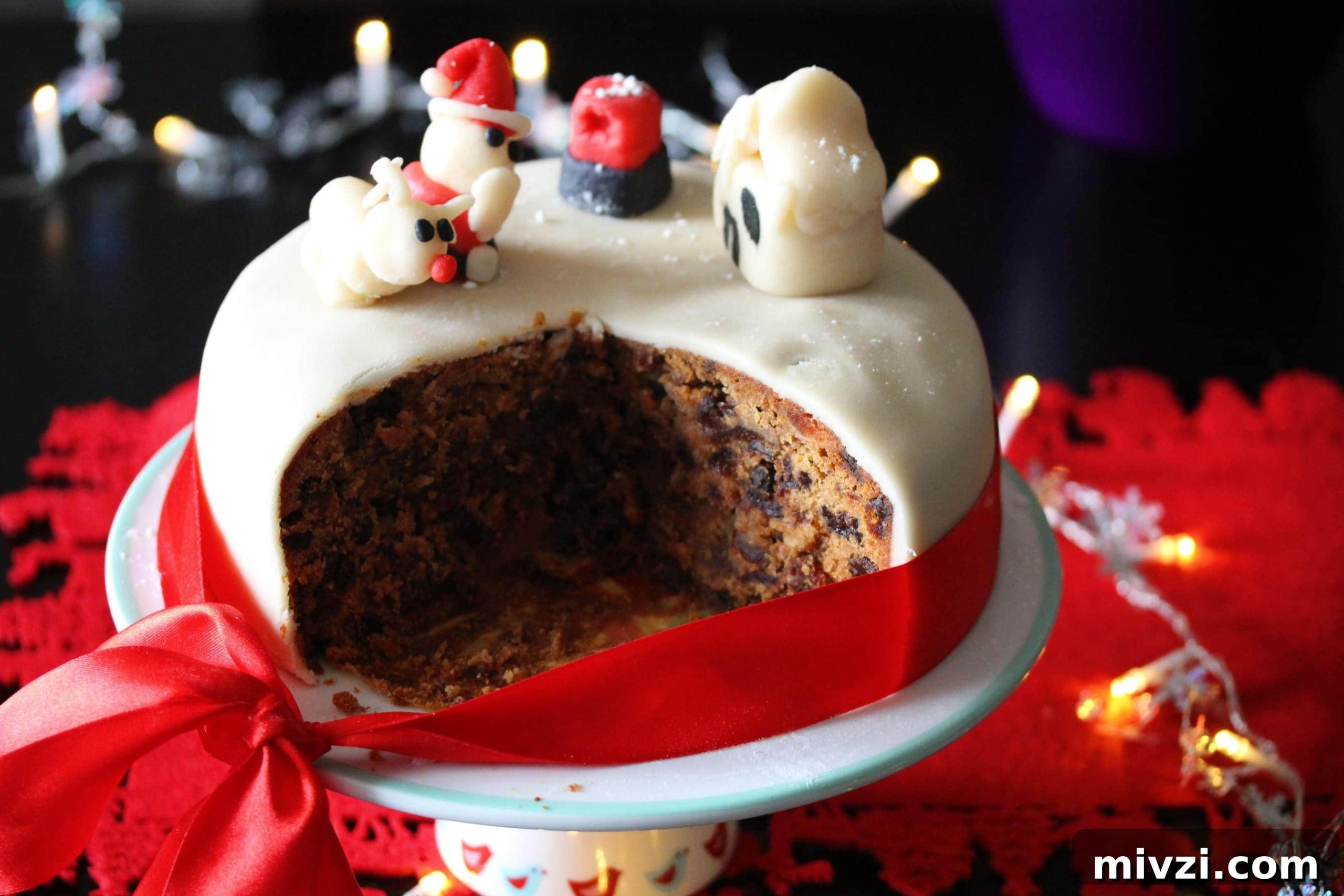
This traditional gluten-free Christmas cake can also be made dairy-free. Prepare the rich fruit cake in advance so it has time to mature before the festive season. It’s straightforward to make, you can choose your preferred liquor or juice, and I promise no one will guess it’s free from gluten and dairy!
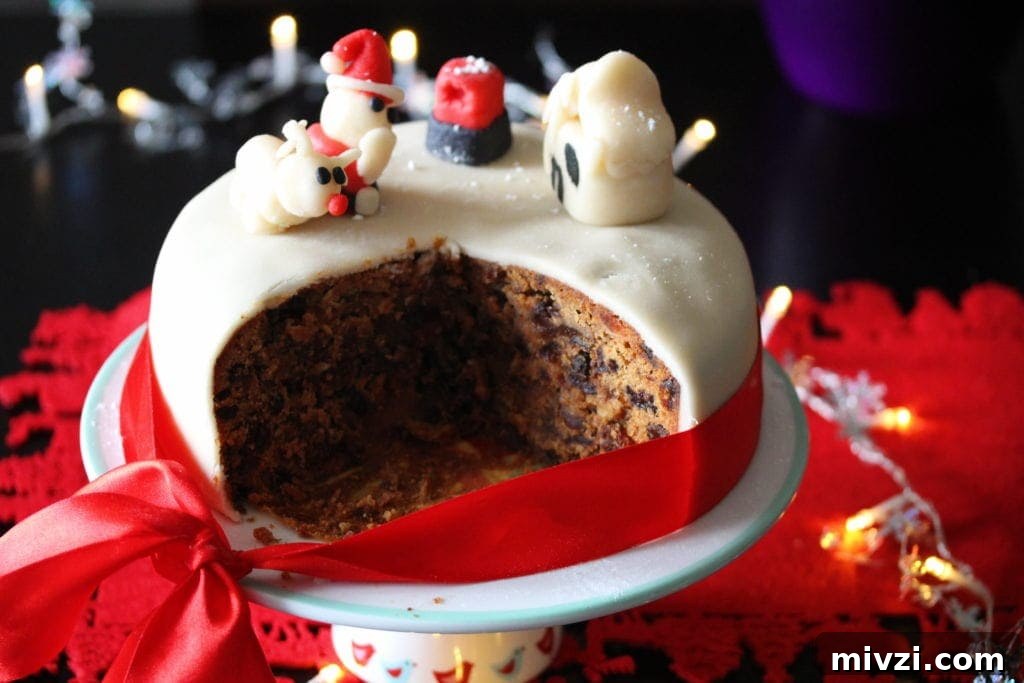
When I wanted to make a gluten- and dairy-free Christmas cake for my family, I adapted a classic recipe. I substituted my gluten-free flour blend for the small amount of wheat flour in the original, and replaced the butter with a 50/50 mix of hard dairy-free margarine and coconut oil. The result is a moist, deeply flavoured fruit cake that looks and tastes just like a traditional version.
What is Christmas Cake?
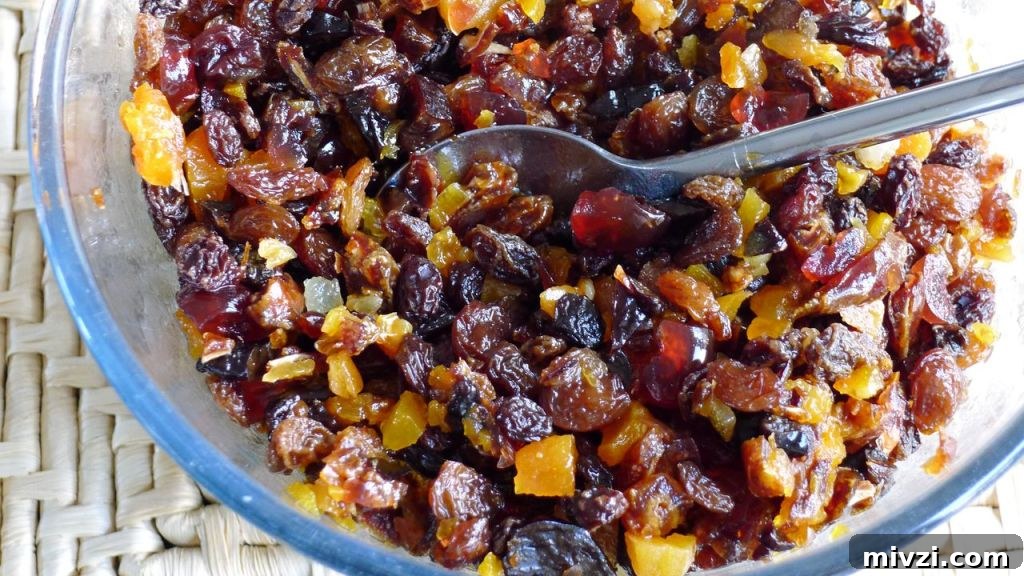
Christmas cake is a dense, rich fruit cake filled with dried fruit soaked in alcohol (or juice), and spiced with warm flavours like cinnamon and nutmeg. It’s an English tradition to bake the cake weeks or months in advance, then “feed” it with alcohol at intervals so it becomes more moist and develops deeper flavour. A Scottish variation, Dundee cake, is similar but often uses whisky and is decorated with glazed fruit and nuts.
When to Make Christmas Cake
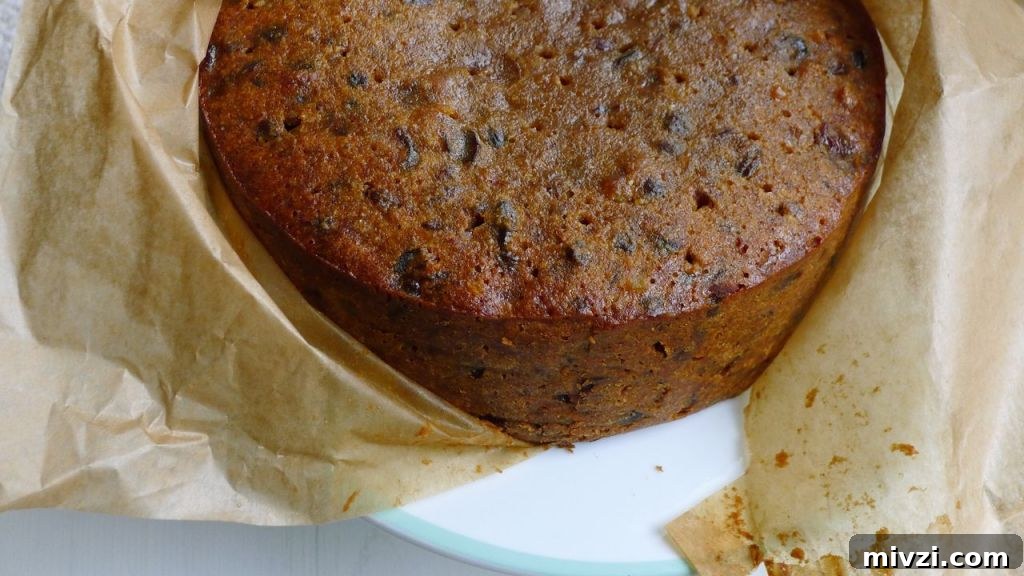
You can make a gluten-free Christmas cake three to four months before Christmas. The longer it matures, the richer the flavour will become. If you prefer a less boozy cake, simply increase the time between feeds rather than the amount of alcohol used. It’s possible to bake the cake closer to the holiday, but try not to leave it later than Stir Up Sunday if you can.
What is Stir Up Sunday?
Stir Up Sunday is the last Sunday before Advent begins, usually in late November. Traditionally it’s the day to make Christmas puddings, but it’s also a sensible deadline for making fruit cakes that need time to mature.
How to Decorate a Gluten Free Christmas Cake
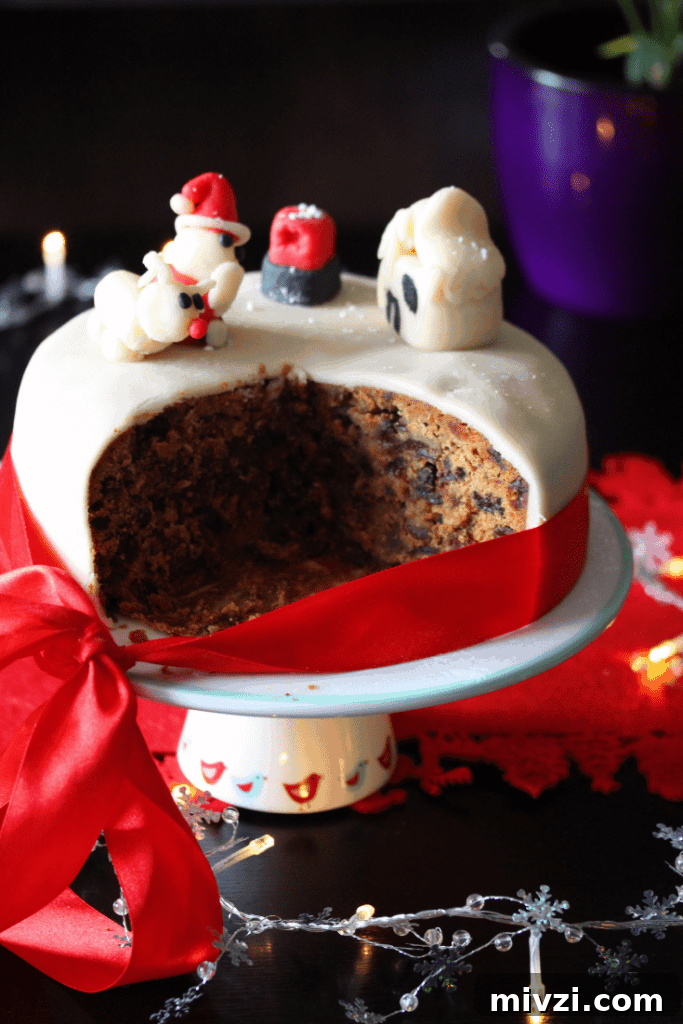
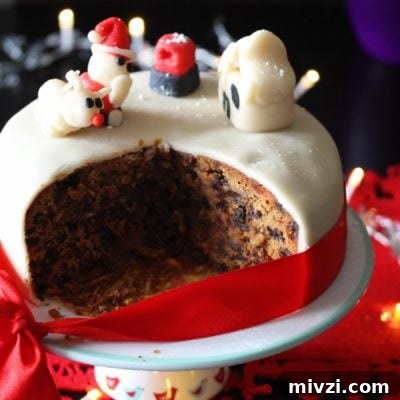
You don’t have to decorate the cake at all — a simple, naked fruit cake is delicious year-round. If you choose to ice it, cover the cake with a thin layer of apricot jam, then marzipan and a layer of white fondant icing. Make sure any shop-bought icing or marzipan is suitable for gluten- or dairy-free diets if required.
Royal icing is another option; it creates neat peaks that look like icicles. Stop feeding the cake with alcohol during the week before you plan to ice it so the icing adheres properly. For toppers, you can use edible figures, store-bought decorations (sterilised before use), or seasonal ornaments removed before serving.
How to Feed a Christmas Cake
“Feeding” a cake means spooning a small amount of alcohol — whisky, rum, Cointreau, Amaretto, or another liquor — over the cake at regular intervals. Aim for three to four feeds over the maturing period. Make the first feed while the cake is still warm and ensure the last feed is at least one week before decorating. Each feed is about 2 tablespoons of liquid. Wrap the cake well and store it in an airtight container between feeds.
Alcohol adds flavour, moisture, and helps preserve the cake. If you prefer a non-alcoholic version, feed with a light sugar syrup (three parts water to one part sugar), or use orange juice for extra citrus flavour.
How to Eat Gluten Free Christmas Cake
The classic way to enjoy Christmas cake is a slice at room temperature with a cup of tea. In some UK regions people pair fruit cake with slices of cheese — Lancashire or Wensleydale are traditional choices — though that won’t suit dairy-free diets.
Another lovely option is to fry slices gently in a little butter or dairy-free alternative until warmed and slightly caramelised, then serve with cream or a dairy-free substitute and fresh fruit for a special breakfast treat.
How to Line a Christmas Cake Tin
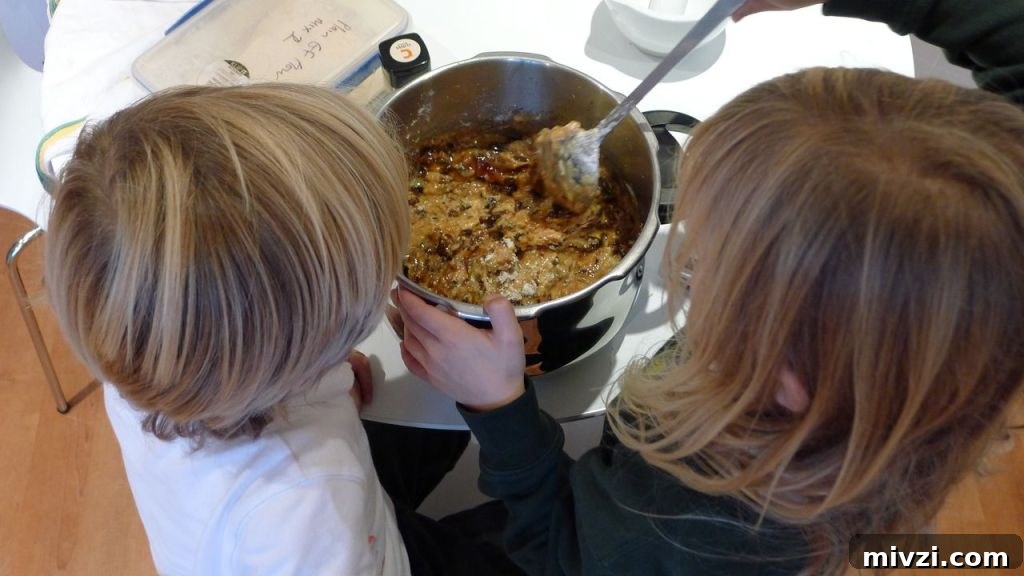
Lining the tin properly is worth the effort, especially for a sticky gluten-free fruit cake. Line a deep 20cm round tin with two layers of baking parchment and wrap two layers of parchment around the outside, securing with string. This helps the cake bake evenly and makes removal much easier.
More Christmas Treats
-

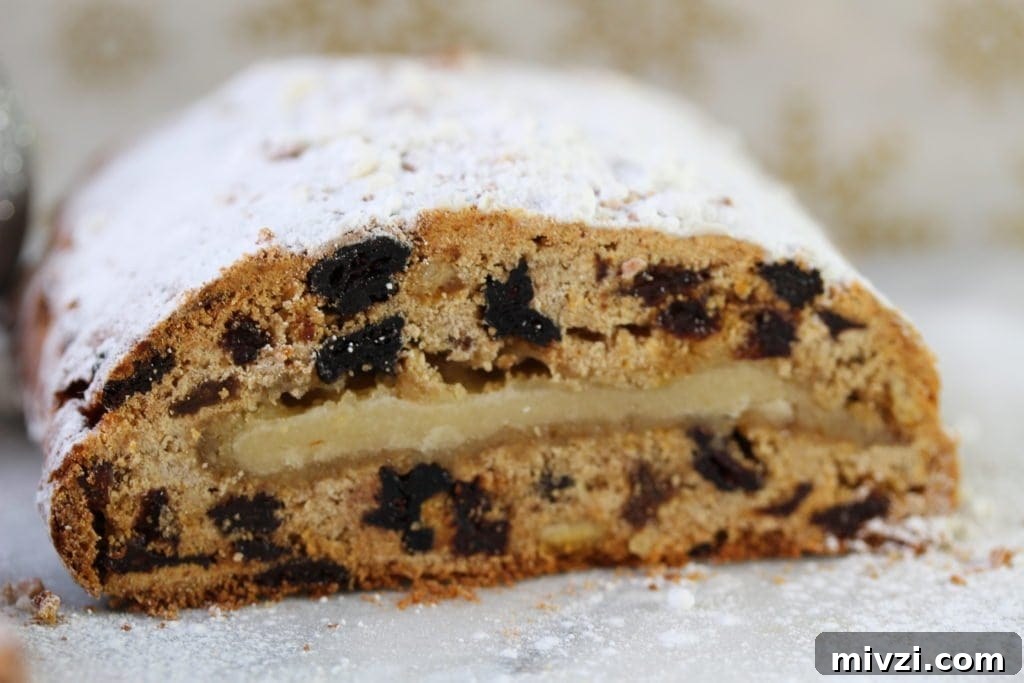
Gluten Free Stollen (Dairy Free) -
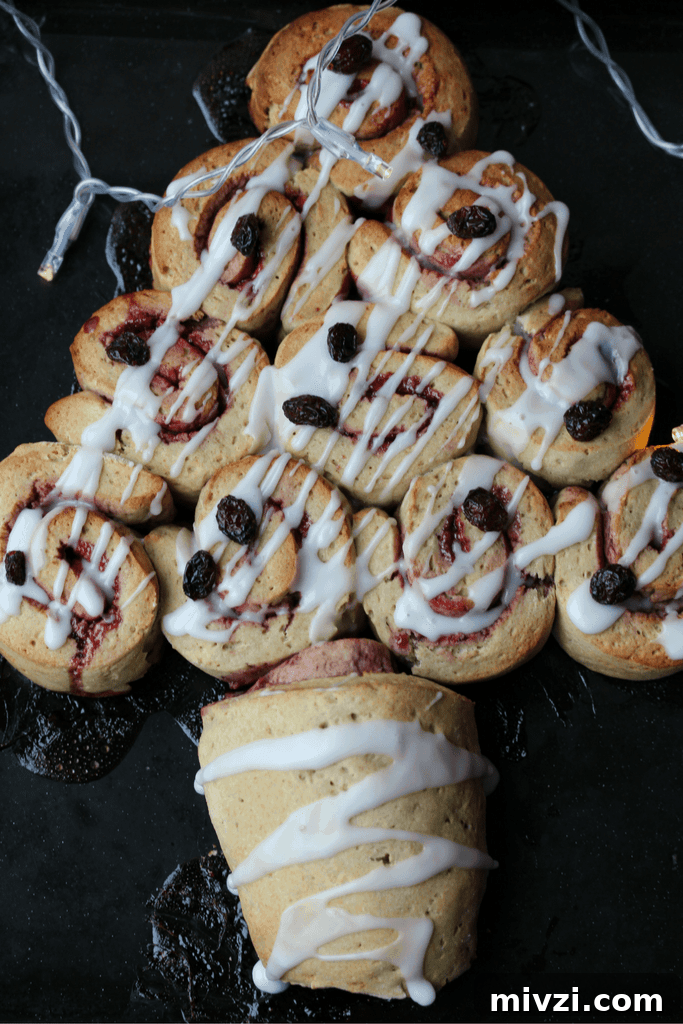
Gluten Free, Dairy Free Christmas Tree Tear & Share Bread -
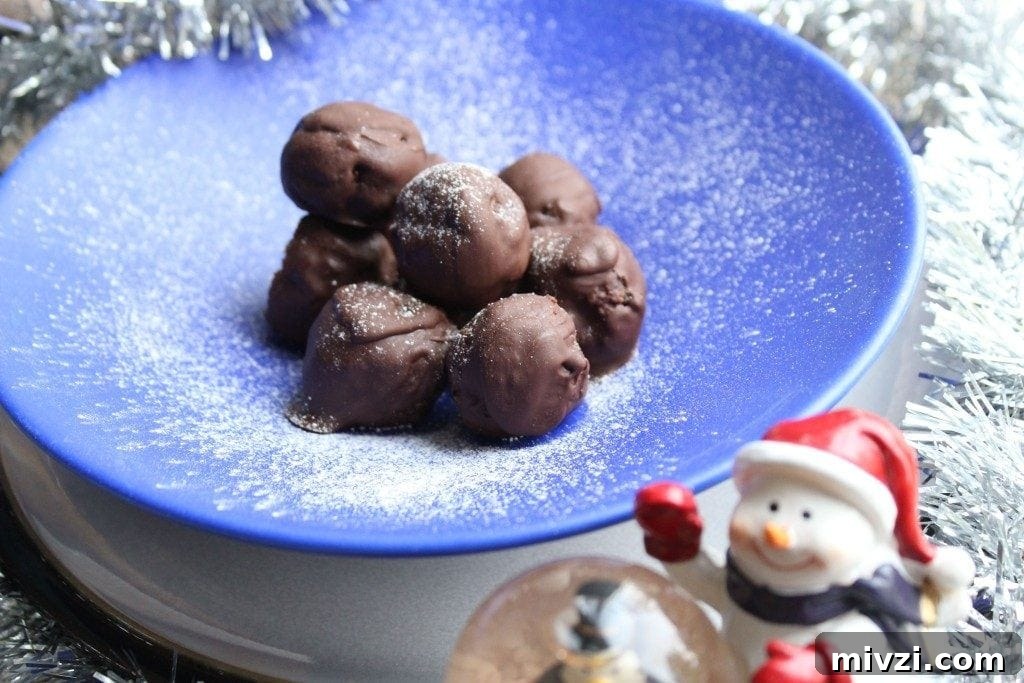
Christmas Pudding Truffles
Want to Learn to Make This Cake?
If you’d like guided instruction, there are online courses and downloadable recipe collections that cover a range of gluten-free Christmas bakes from stollen and mince pies to Christmas cake and pastry for sausage rolls. These resources typically include step-by-step video lessons and printable recipes to help you master each bake.
-
Gluten Free Christmas Cooking Recorded Lessons£40.00
-
Gluten Free Christmas Recipes (Downloadable Book)£5.99

Save this Recipe for Later
The Full Recipe
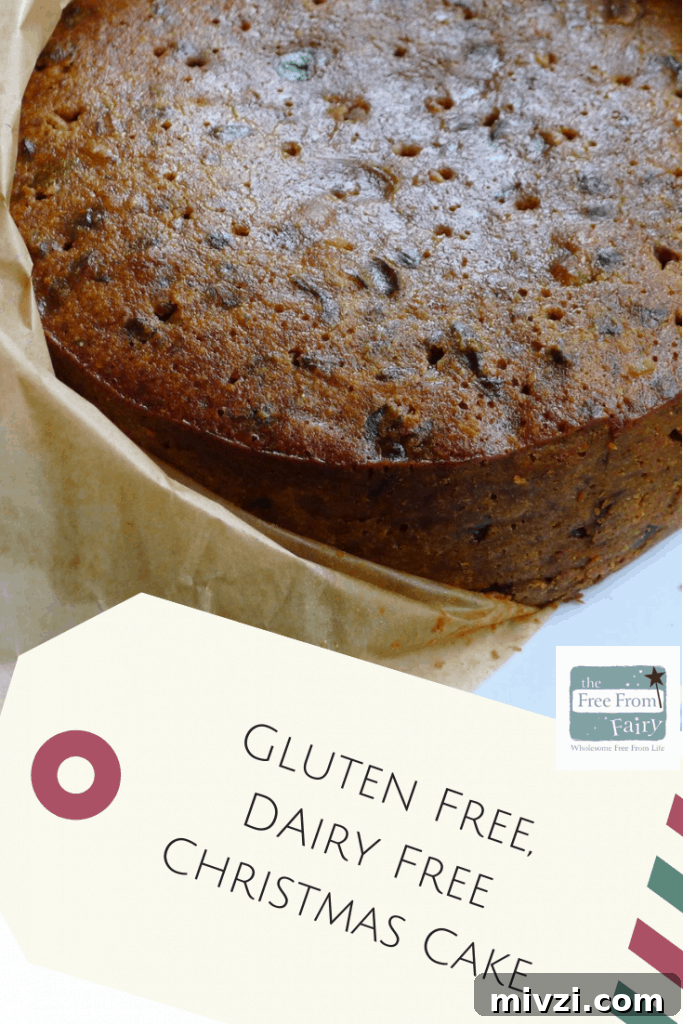
Gluten Free Christmas Cake (Dairy Free)
This traditional gluten-free Christmas cake can also be made dairy-free. Make it in advance so it matures beautifully for the festive period. It’s simple to make and full of rich flavour.
Ingredients
- 500 g mixed dried fruit
- 150 g dried apricots, roughly chopped
- 150 g dried dates, roughly chopped
- 100 g dried prunes, roughly chopped
- 100 g glace cherries, roughly chopped
- 150 ml amaretto (or alcohol/juice of your choice)
- 150 g soft brown sugar
- 125 g hard dairy-free margarine (block)
- 125 g coconut oil (unflavoured)
- 1 lemon, zest and juice
- 1 orange, zest and juice
- 2 tsp mixed spice
- 1 tsp ground cinnamon
- 1/2 tsp ground nutmeg
- 1 tsp vanilla extract
- 100 g ground almonds
- 175 g gluten-free plain flour blend
- 2 tsp ground flax seeds (optional)
- 1/2 tsp baking powder
- 6 free-range eggs, beaten
Instructions
- Put the mixed fruit in a large bowl and cover with 150 ml of your chosen alcohol or juice. Leave to soak for at least 6 hours.
- Prepare and line a deep 20 cm round cake tin with two layers of baking parchment. Wrap two layers of parchment around the outside and secure with string.
- Preheat the oven to 150°C (130°C fan) / Gas Mark 2.
- In a large pan, melt the coconut oil, dairy-free margarine and sugar together. Remove from the heat and stir in the spices, citrus zest and juice, vanilla and the soaked fruit.
- Add the ground almonds, gluten-free flour, ground flax (if using) and baking powder. Mix until combined.
- Stir in the beaten eggs until everything is evenly mixed.
- Pour the batter into the prepared tin and bake for about 2 hours at 150°C (130°C fan). Test with a skewer; the cake should be cooked through.
- Remove from the oven, prick the surface all over with a skewer or fork and drizzle with about 2 tbsp of alcohol or juice.
- Allow the cake to cool in the tin, then wrap in baking parchment and store in an airtight container.
- Feed the cake every fortnight with about 2 tbsp of your chosen liquor (or sugar syrup if alcohol-free). Re-wrap and store between feeds.
- Stop feeding the cake at least one week before you plan to ice it so the icing will stick properly.
Nutrition (Approx)
Per serving: Calories 367 kcal | Carbohydrates 52 g | Protein 5 g | Fat 15 g | Saturated Fat 7 g | Sugar 35 g