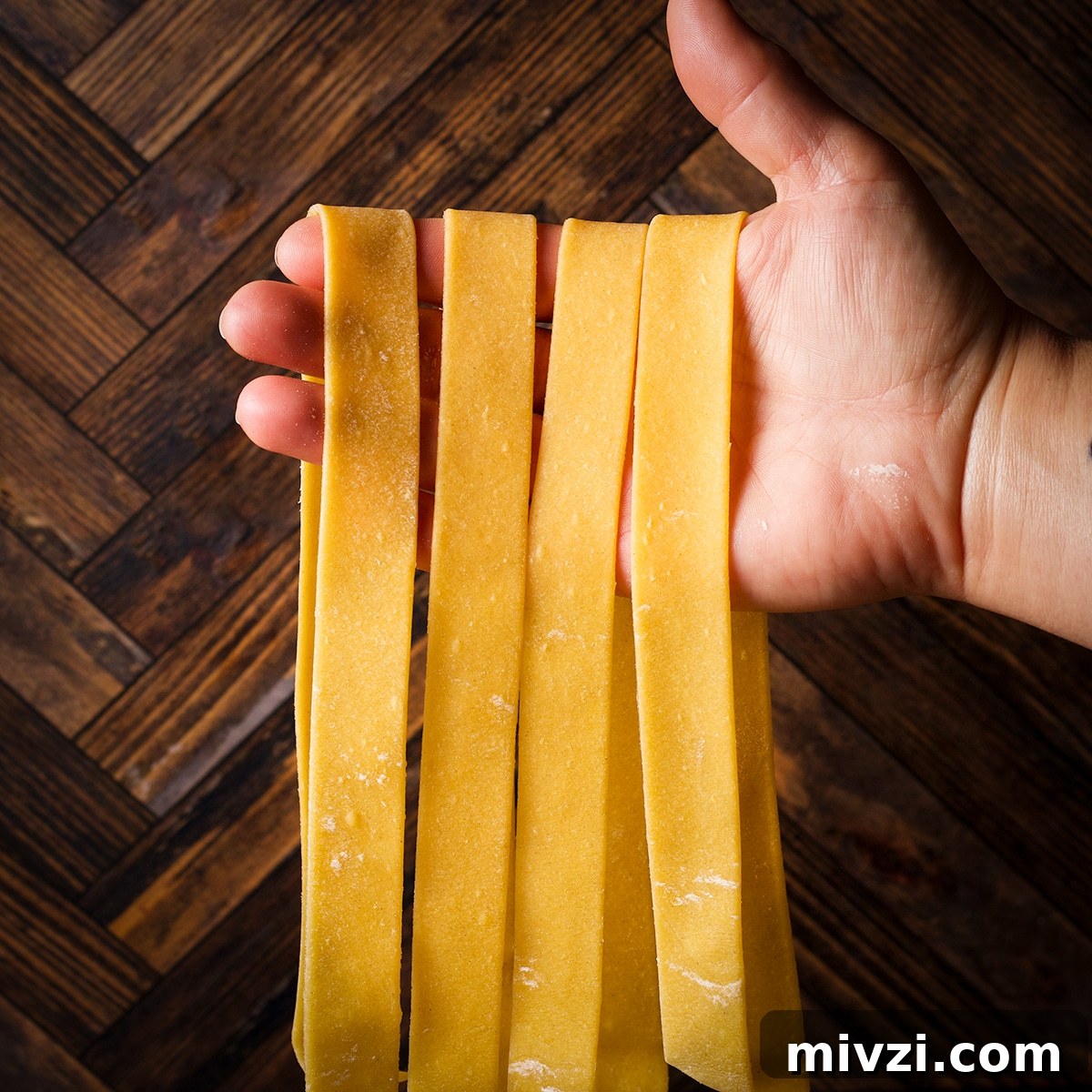
Like all fresh pasta, homemade pappardelle is far superior to the mass-produced flour-and-water versions sold in most supermarkets. This recipe uses a dough rich in egg yolks for deeply colored, flavorful noodles that deliver a silky, toothsome texture and extra protein.
The flavor and texture of homemade pappardelle are outstanding — rich, tender, and satisfying.
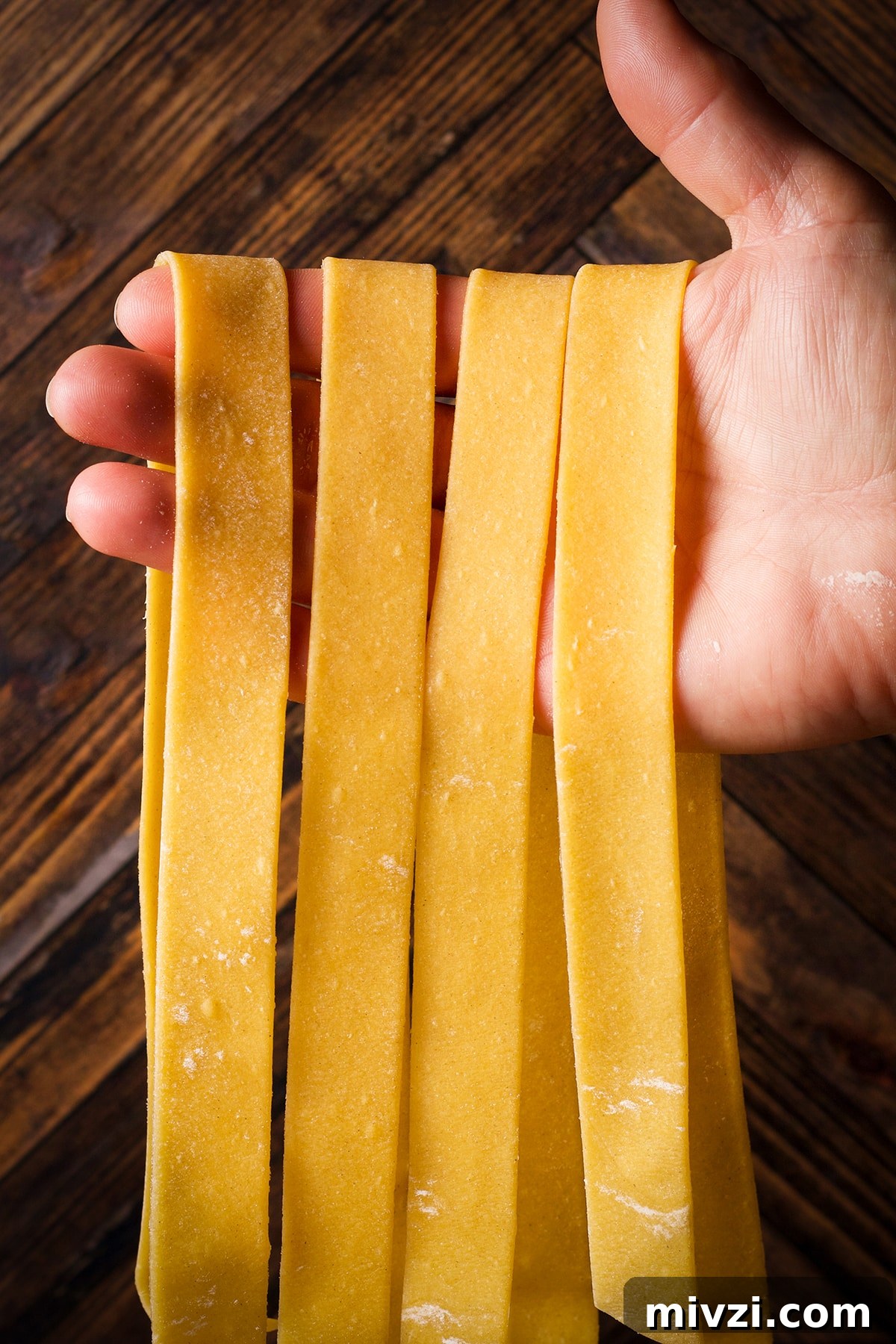
Pappardelle are wide, flat noodles similar to fettuccine but broader. Traditional widths range from 2 to 3 centimeters (about ½ to ¾ inch), though some home cooks prefer noodles up to 2 inches wide.
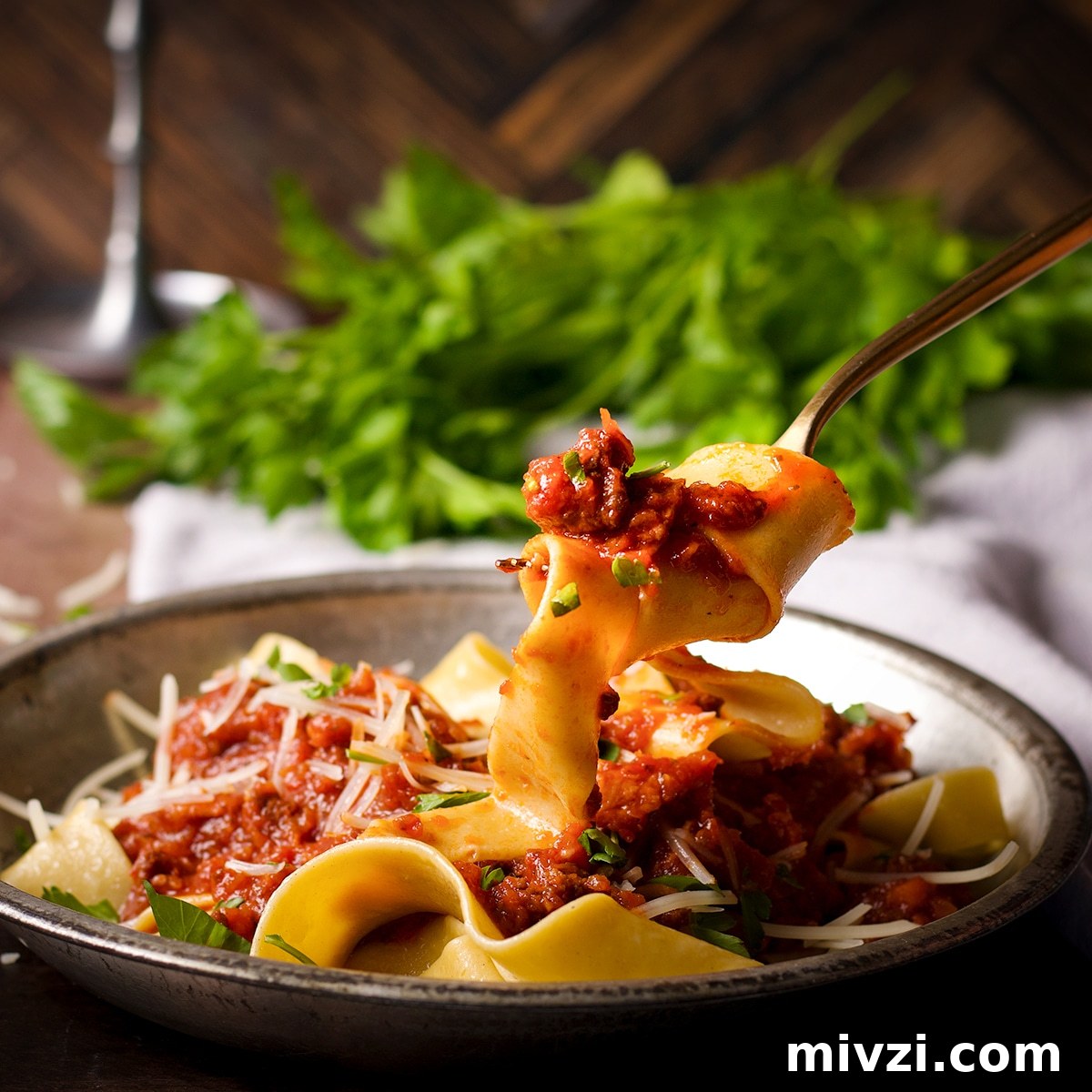
Because of their size and surface area, pappardelle pair beautifully with thick, hearty sauces that cling to the pasta, such as a slow-simmered bolognese.
SUMMARIZE AND SAVE THIS RECIPE ON:
If you’ve never made fresh pasta before, you’re in for a treat. Homemade pasta delivers a superior texture and flavor, and the process is rewarding and straightforward. The best results come from splitting the work over a day or two:
- Make the dough, wrap it well, and refrigerate overnight or up to 5 days. The dough itself takes only 10–15 minutes to prepare.
- Roll and cut the pasta, then let the noodles dry at least one hour before cooking. You can dry them completely and store in an airtight container for up to three weeks.
- Cook the pasta in plenty of salted boiling water. Fresh pappardelle reach al dente in minutes.
Ingredients for Homemade Pasta Dough
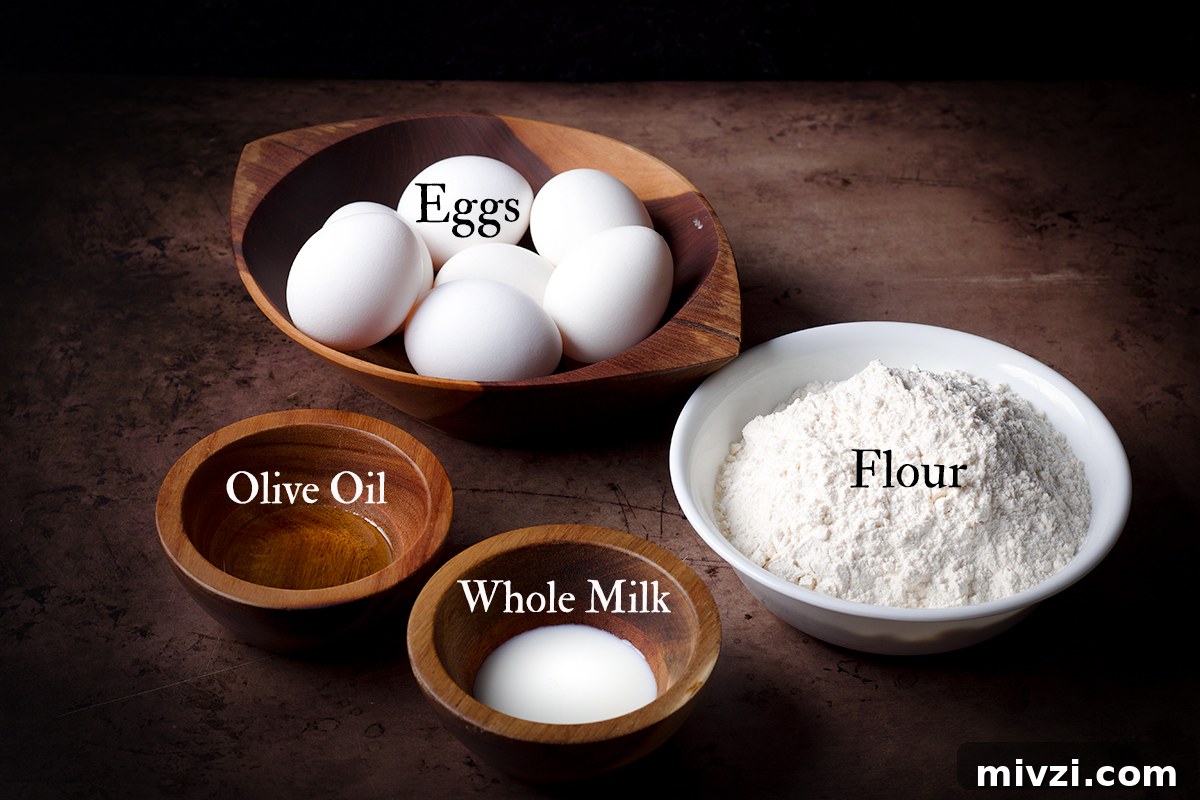
- Eggs: This is an egg-yolk–forward dough: 1 whole egg plus 6 yolks. Yolks add richness, color, fat, and flavor, creating a silky, satisfying noodle.
- Flour: A blend of unbleached all-purpose and semolina works well for pappardelle; all-purpose or “00” flour are also good options. Different flours affect texture (see notes below).
- Extra virgin olive oil: A small amount (this recipe uses 1 tablespoon) softens and smooths the dough. Avoid too much oil, which can make noodles brittle when dry.
- Whole milk: A tablespoon of milk slightly increases hydration and adds fat for flavor. If you don’t have milk, water will work.
What kind of flour is best for pappardelle noodles?
For pappardelle I prefer a mix of all-purpose and semolina. Bread flour and “00” flour are also excellent choices depending on the texture you want.
Flour options:
“00” flour — Finer texture and high protein, ideal for rolling very thin sheets. Great for delicate pasta.
All-purpose flour — Versatile and widely available; works well for most fresh pasta and is often my go-to.
Semolina flour — Coarse and absorbent, semolina gives structure and a slightly toothy texture; it’s great for wider noodles and heartier preparations. If you use a high proportion of semolina, you may need slightly more liquid to prevent a dry dough.
Bread flour — High protein and very elastic; it yields a slightly chewier, stronger dough that pairs well with meaty sauces.
Step-by-step photos and instructions
Plan ahead: Pasta dough needs time to rest before rolling, so plan to make it several hours ahead or the day before. Dough will keep well, tightly wrapped, up to a week in the refrigerator.
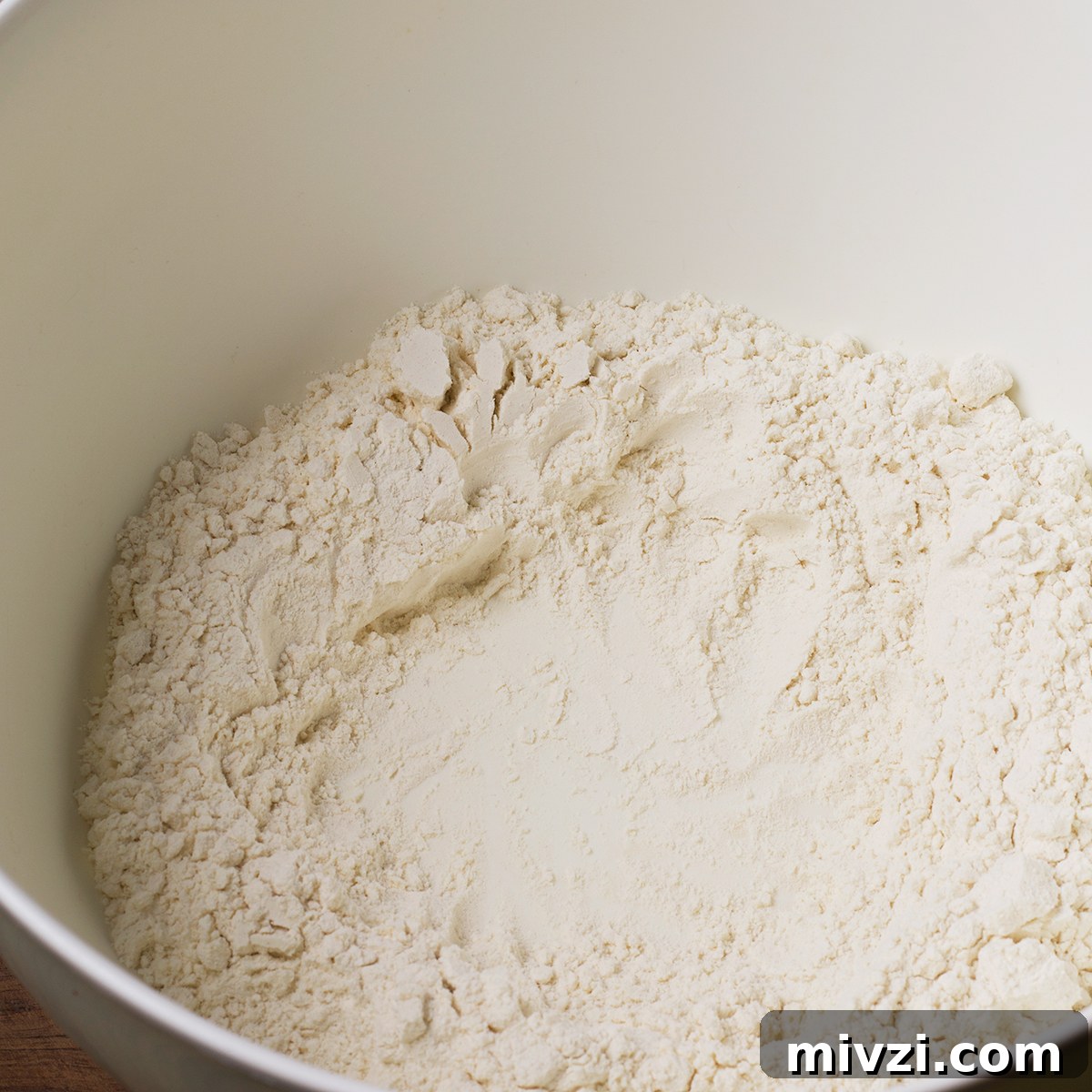
Add the flours to a large bowl or mound them on your work surface. Make a well in the center large enough to hold the eggs.
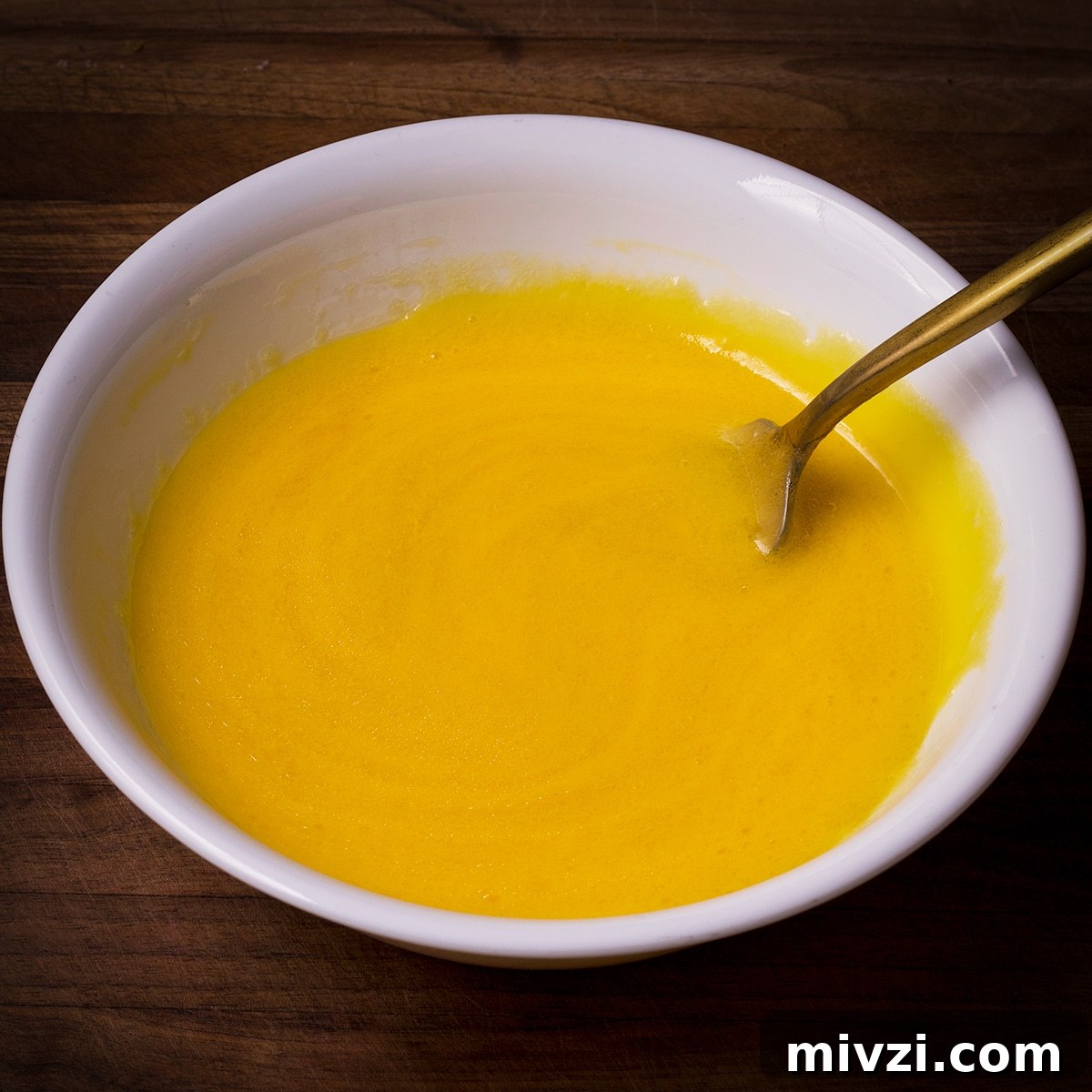
Whisk the whole egg and yolks briefly to combine, then pour into the flour well.
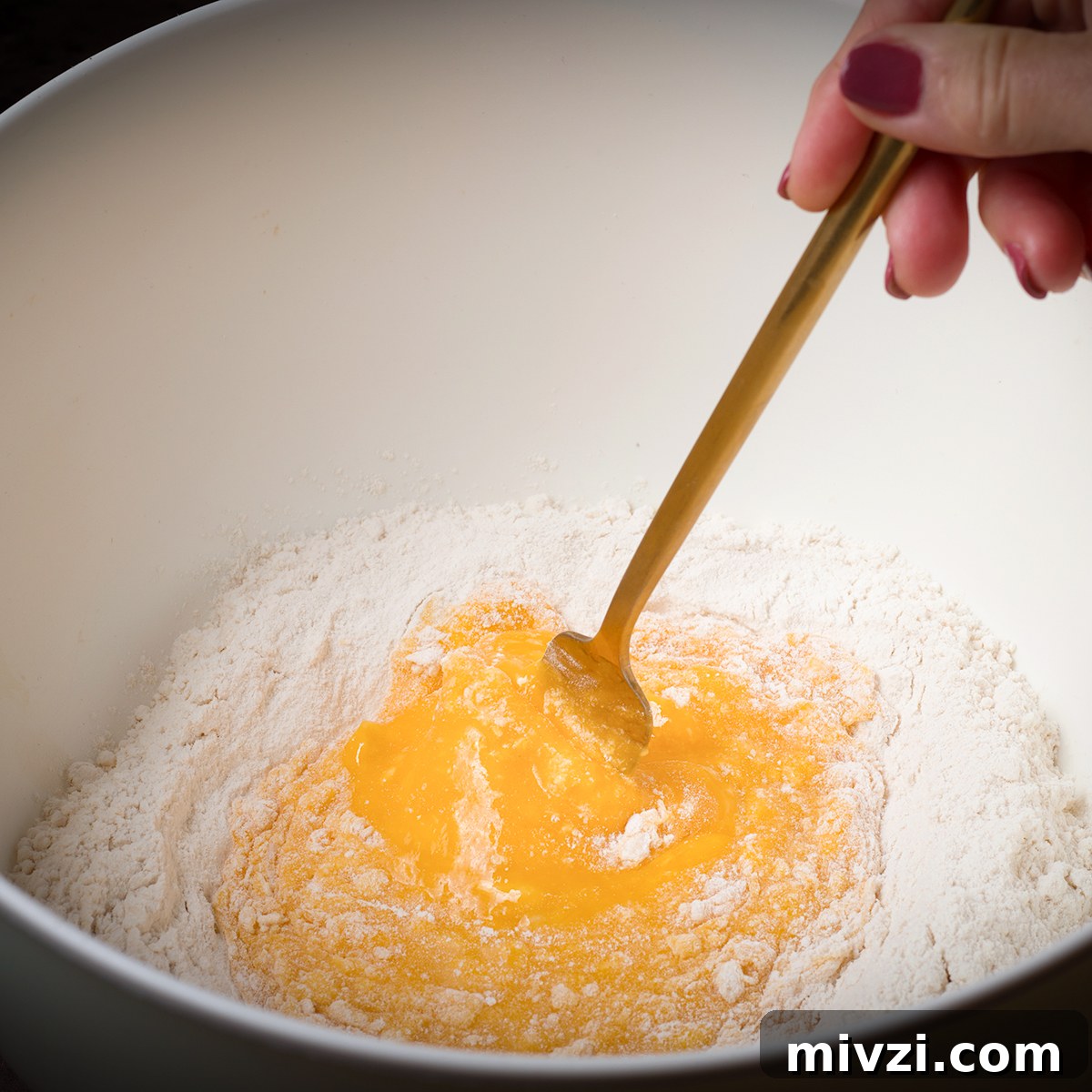
Add the milk and olive oil, then use a fork to gradually whisk the eggs into the surrounding flour, incorporating a little at a time until a shaggy dough forms.
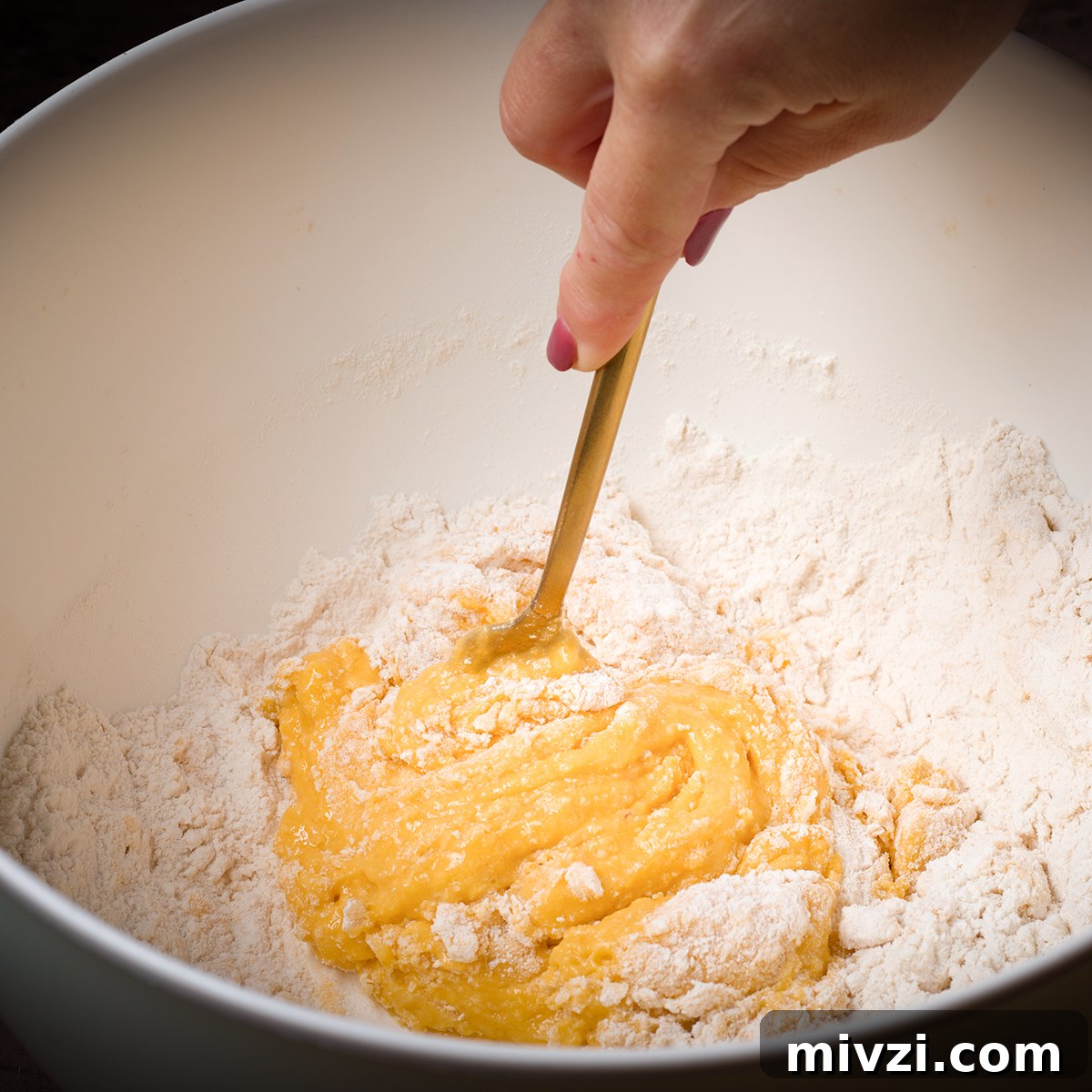
Keep mixing slowly so the dough comes together without becoming sticky.
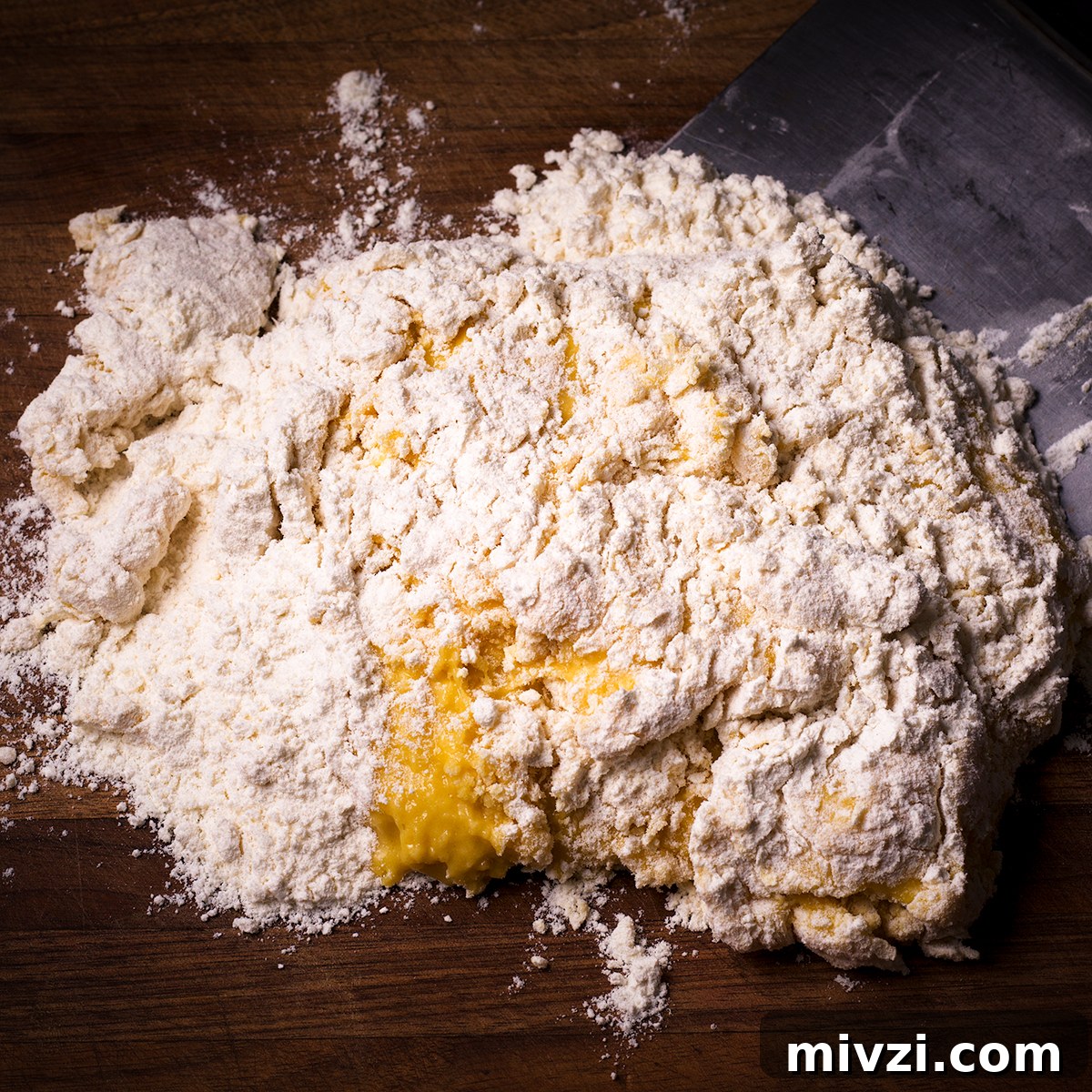
When the mixture is too thick to whisk, turn it out onto a floured surface and begin kneading by hand.
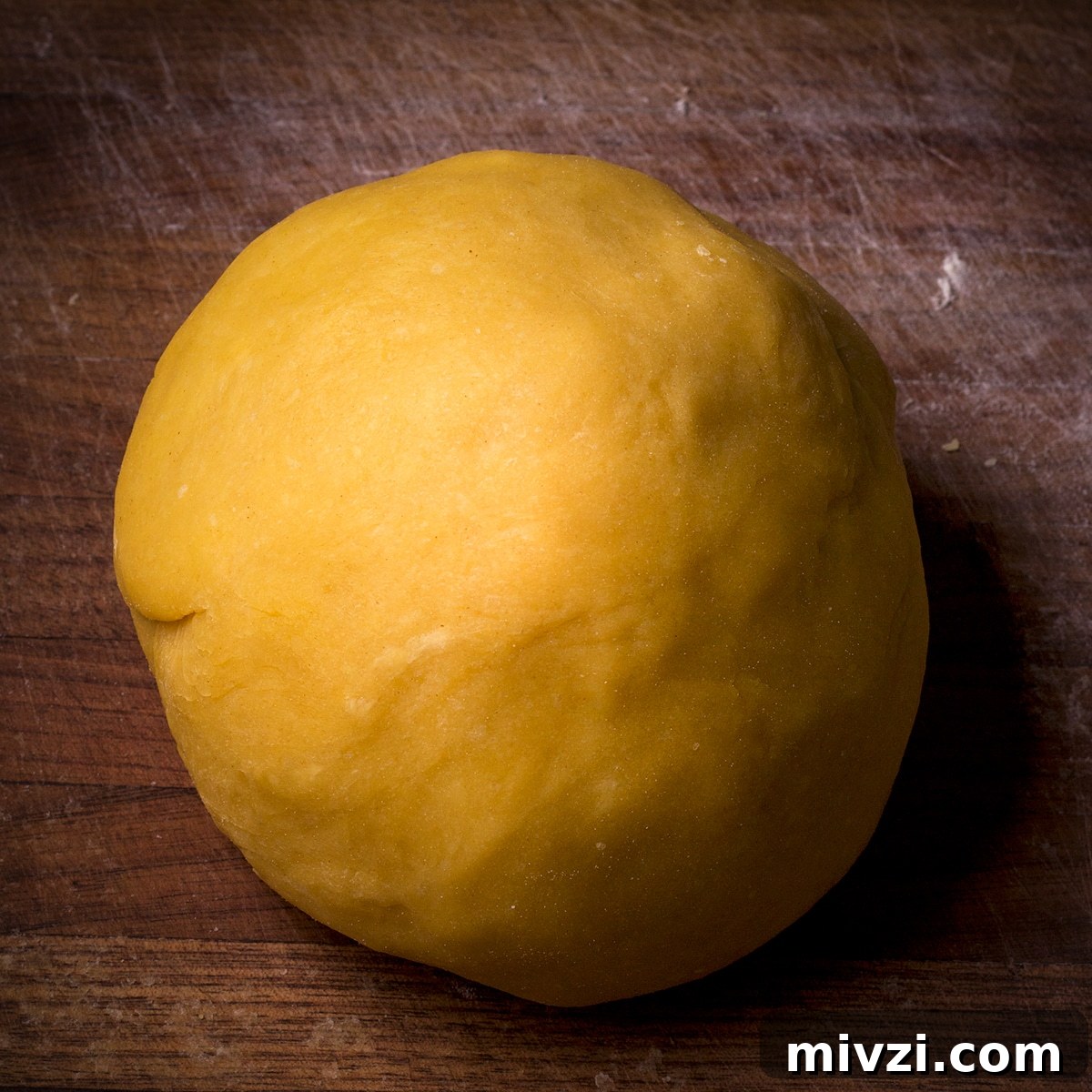
Knead at least 10 minutes until the dough is smooth, elastic, and not sticky. The dough should be pliable but not cracking.
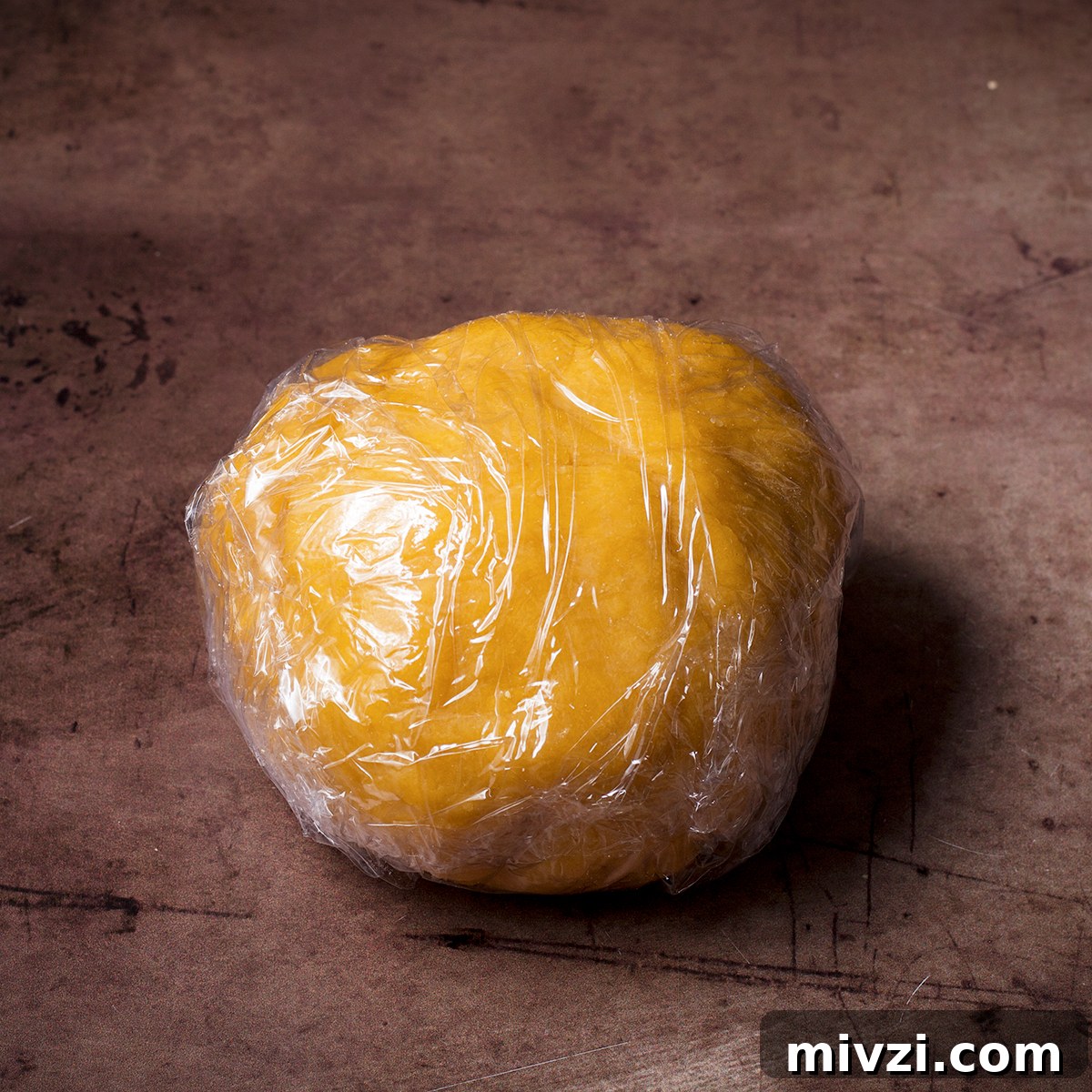
Wrap the dough tightly and refrigerate for at least 5 hours, preferably 12–24 hours for best flavor and texture, up to one week.
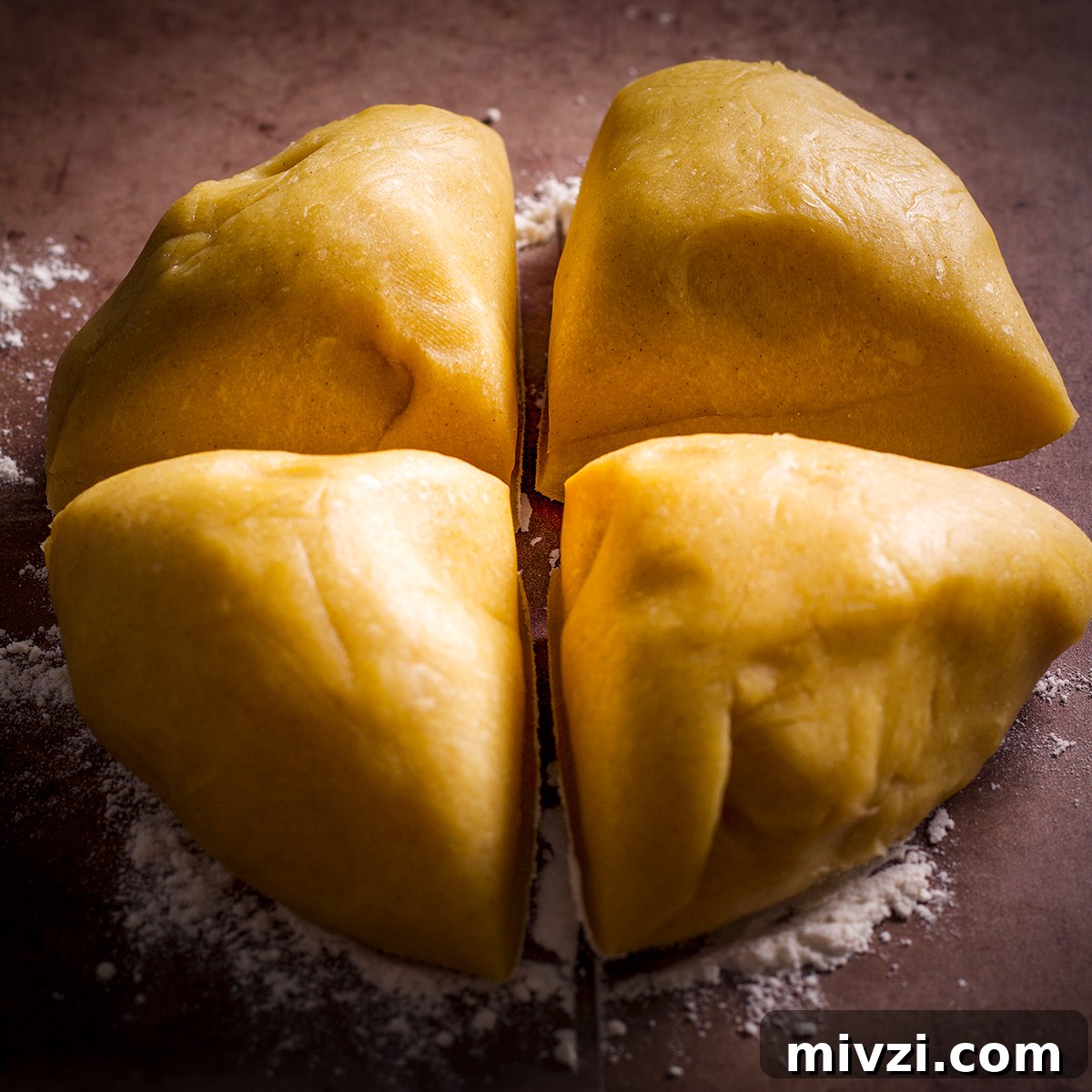
When ready to roll, divide the dough into four portions and work with one piece at a time, keeping the rest covered.
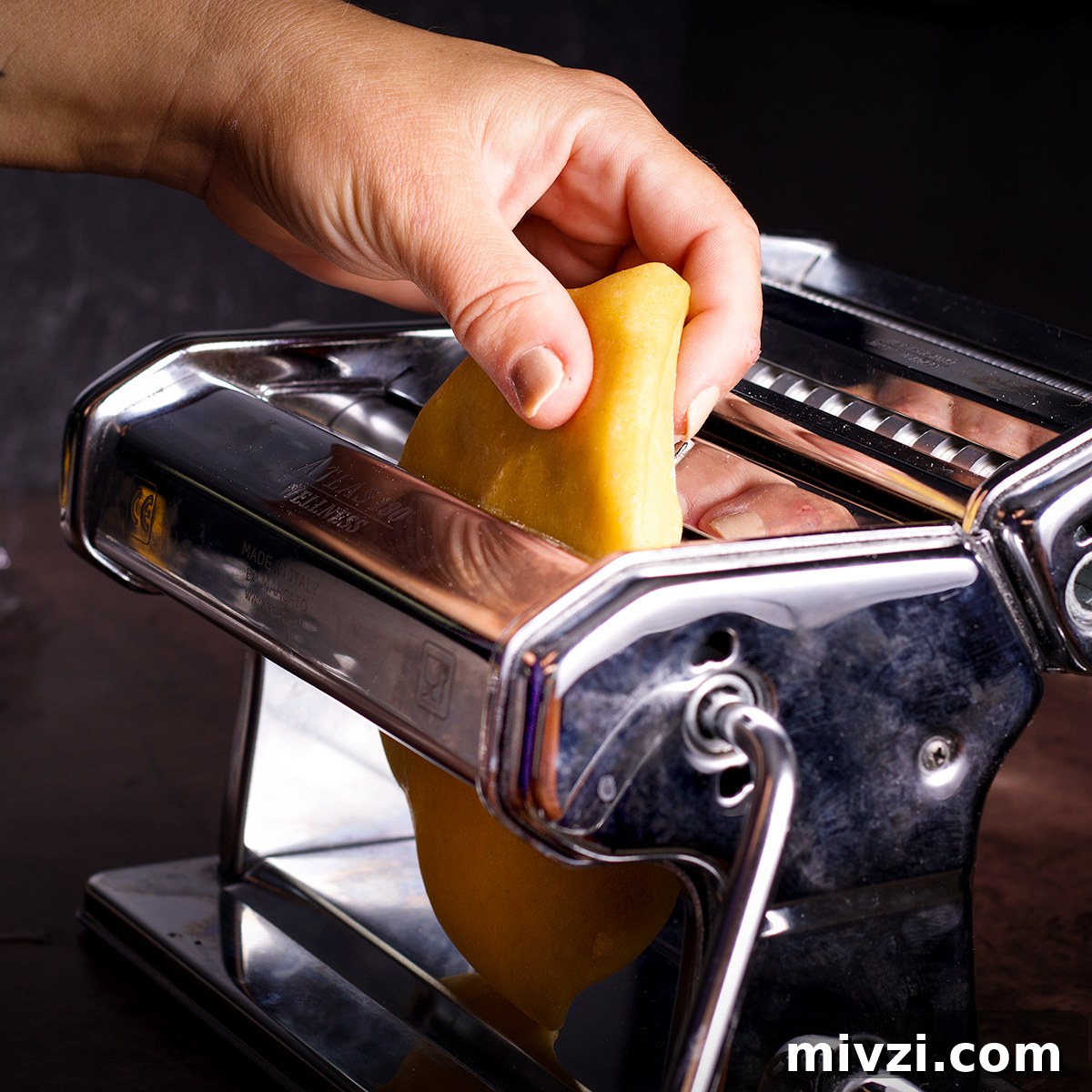
Feed one piece through a pasta machine set to the widest setting (often marked “0”). Fold and repeat several times to develop structure.
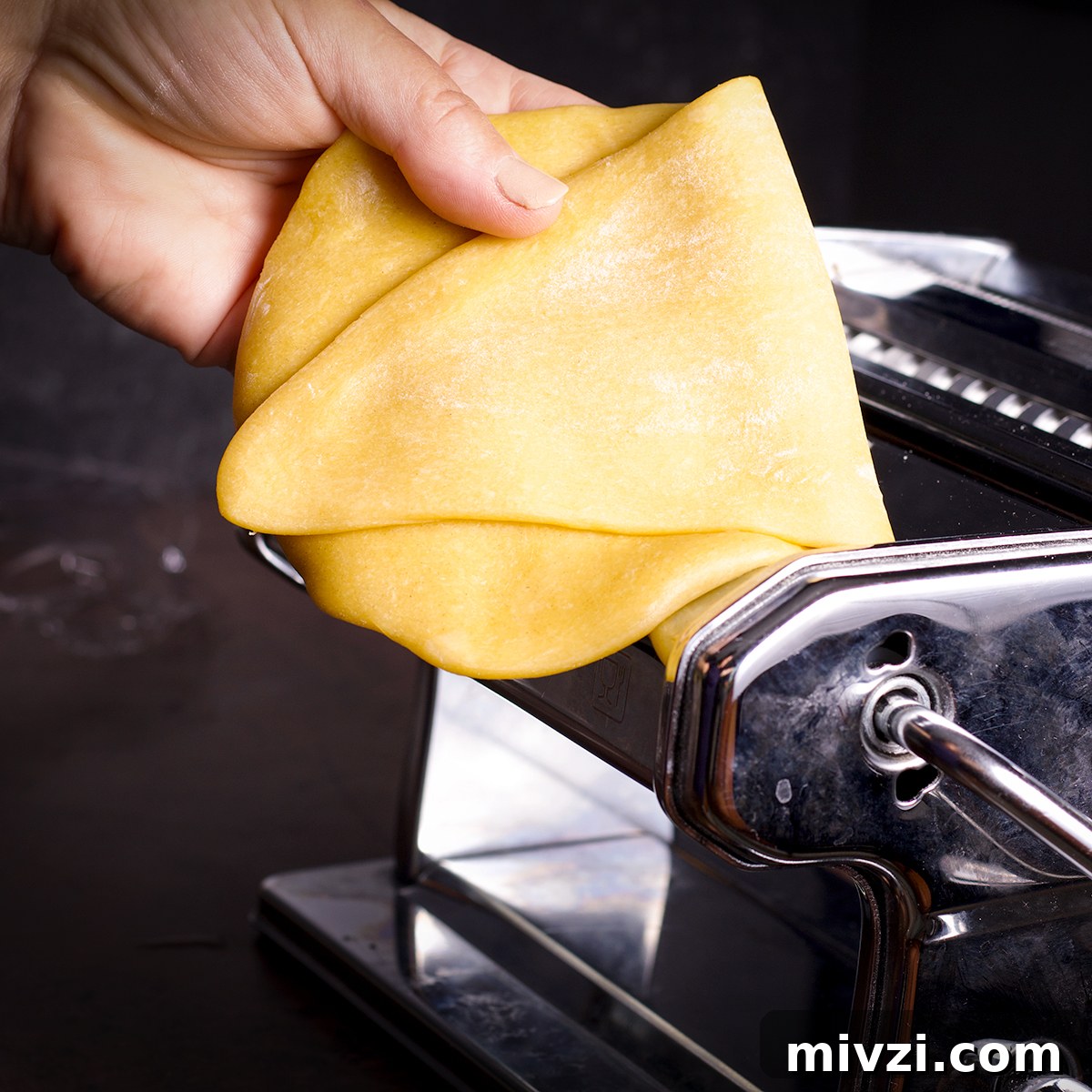
Fold the dough in half and run it through again, repeating 8–12 times at the widest setting. Dust with flour as needed to prevent sticking.
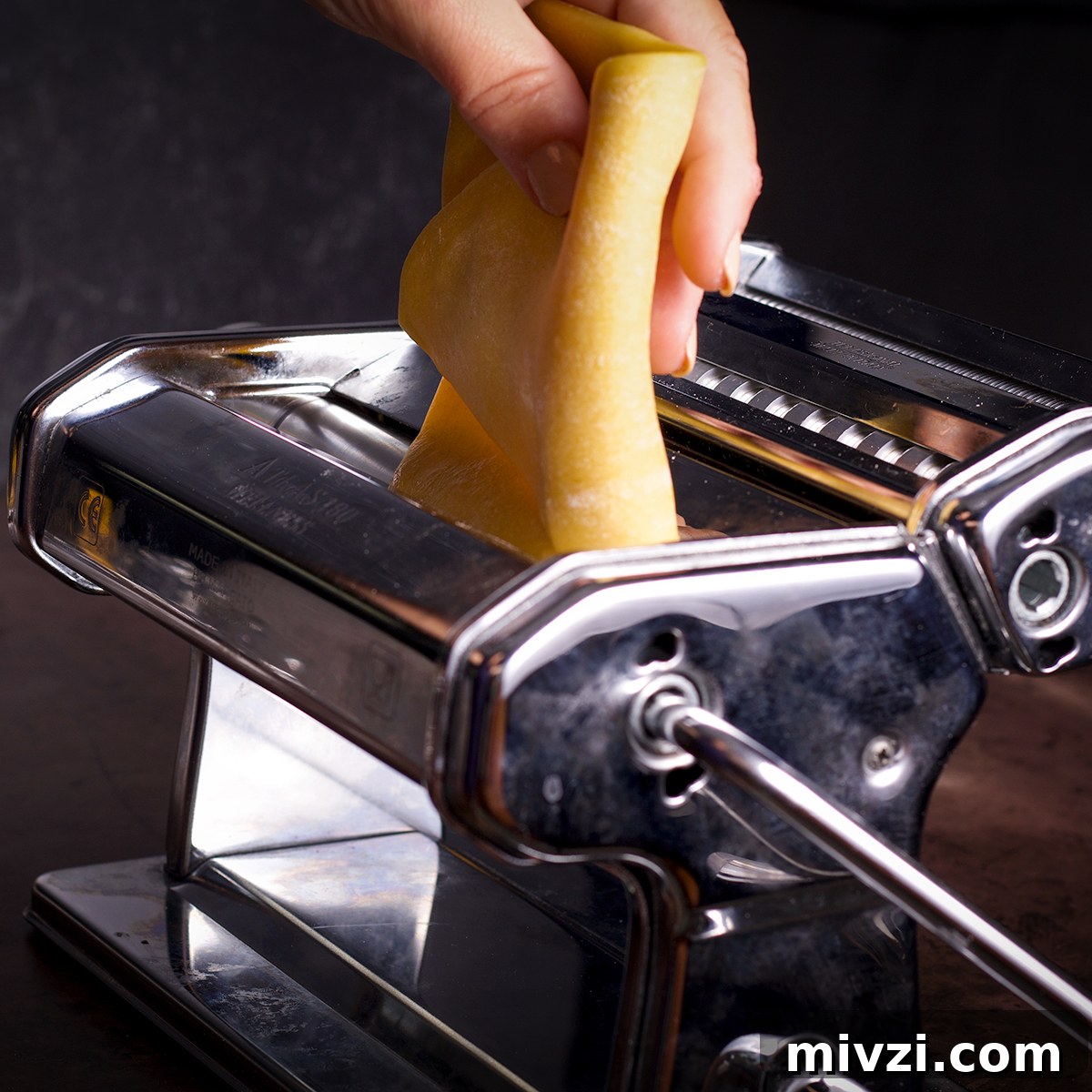
Gradually narrow the roller setting — 0 to 2 to 3 and so on — until the sheet reaches your desired thickness. For pappardelle, stopping around setting 5 is common, but adjust to preference.
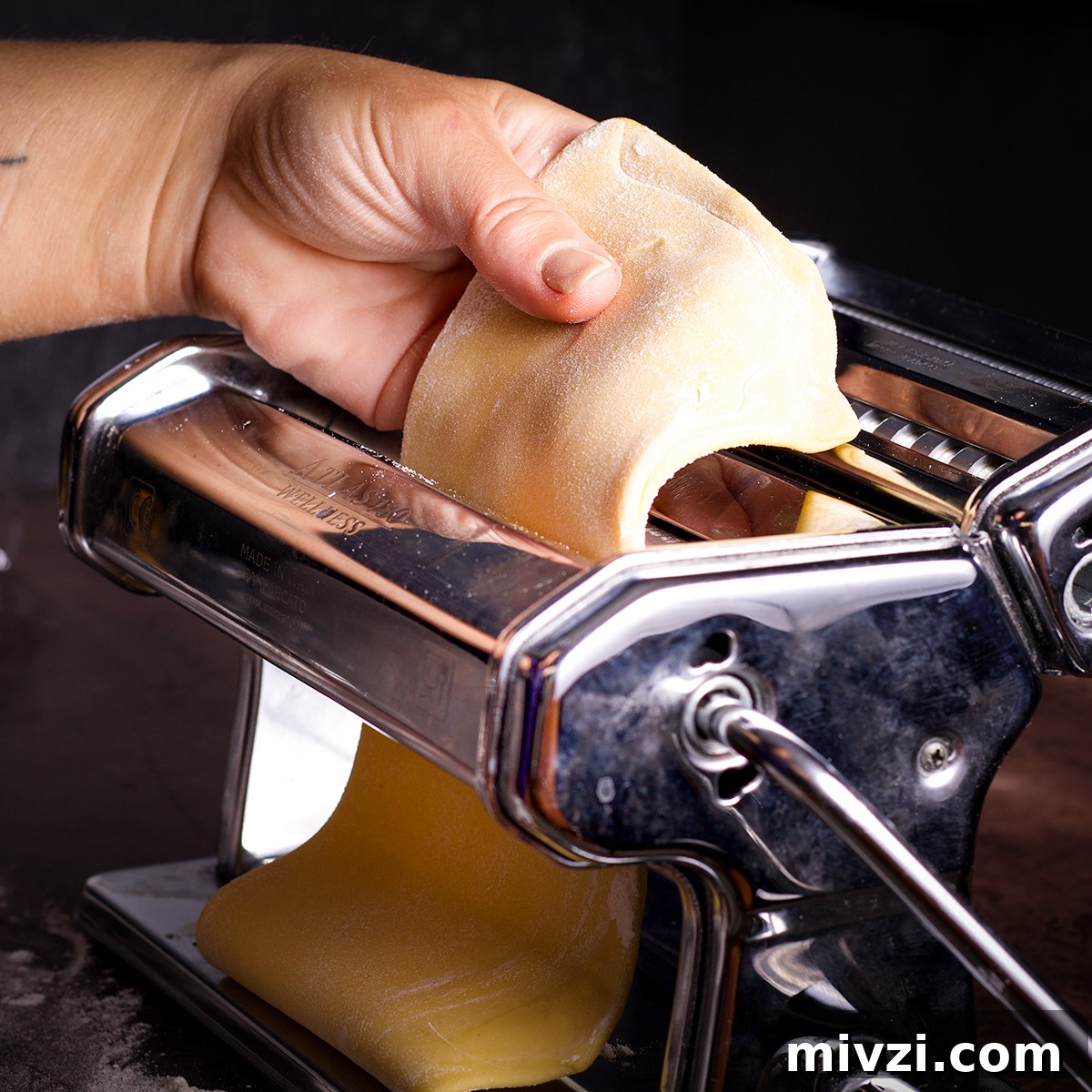
Keep dusting with flour so the sheet remains manageable and doesn’t stick.
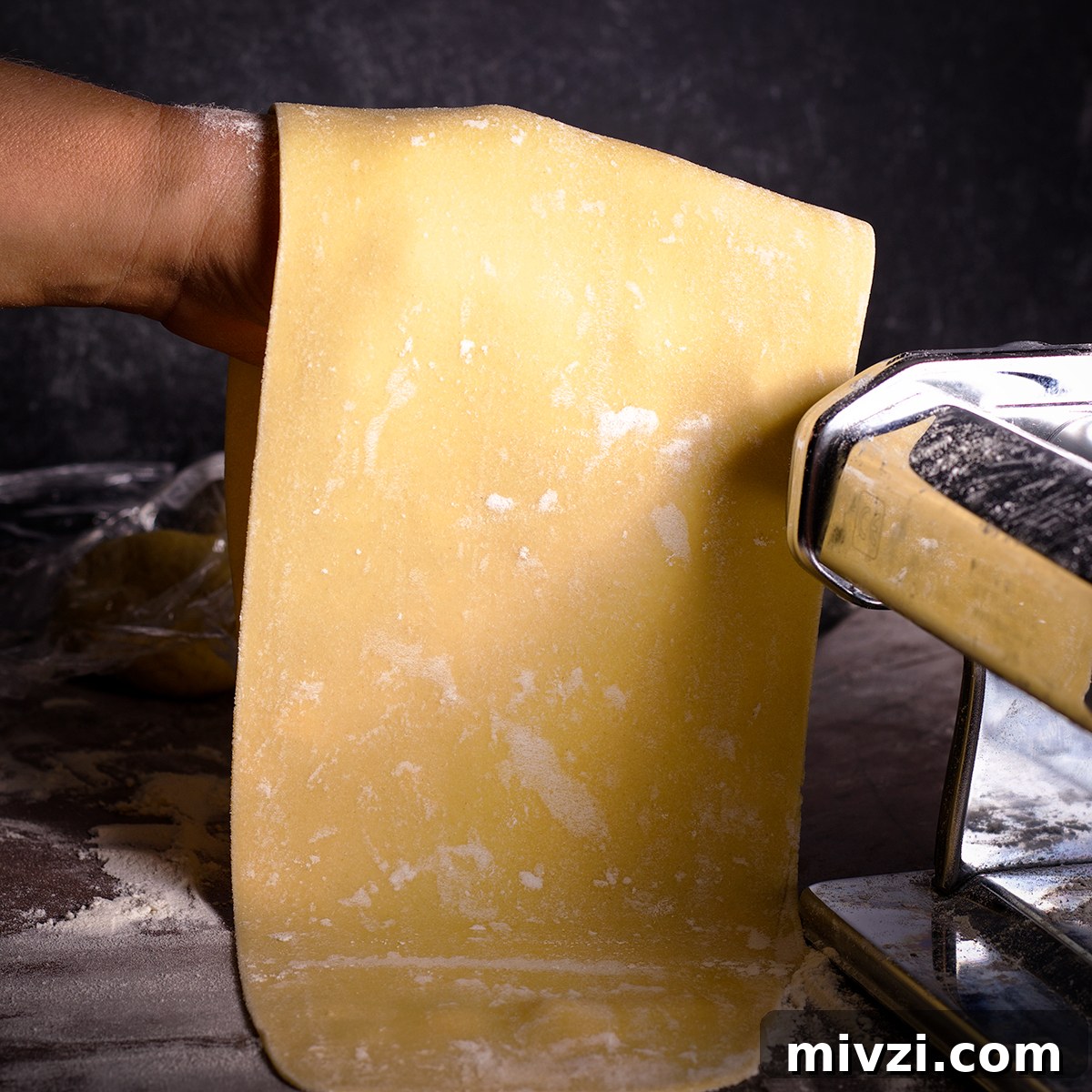
When the sheet is long and even, dust it and cut into strips using a sharp knife or pizza cutter.
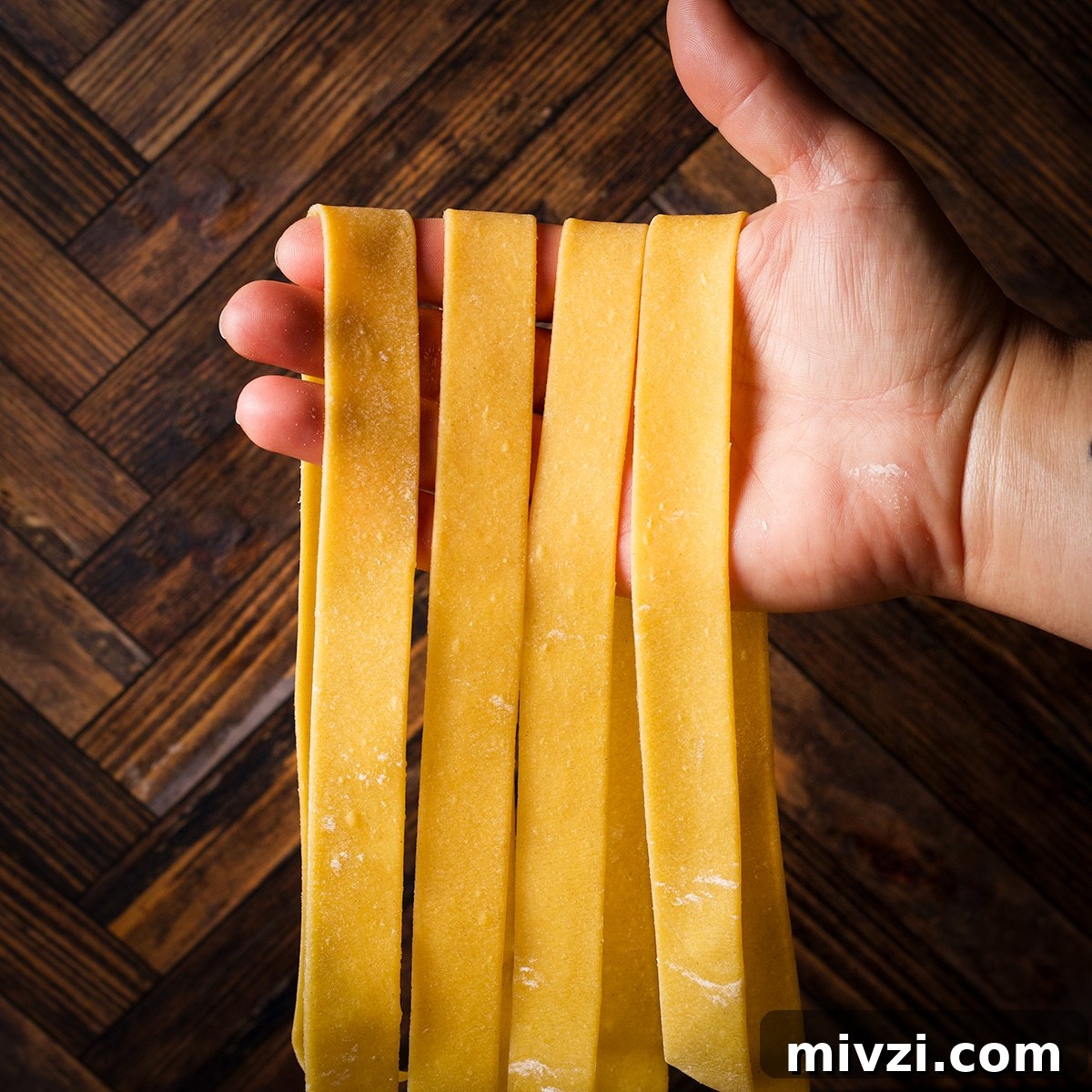
Traditional widths are about ¾ inch to 1 inch (2–3 cm), but you can cut them wider or narrower to taste.
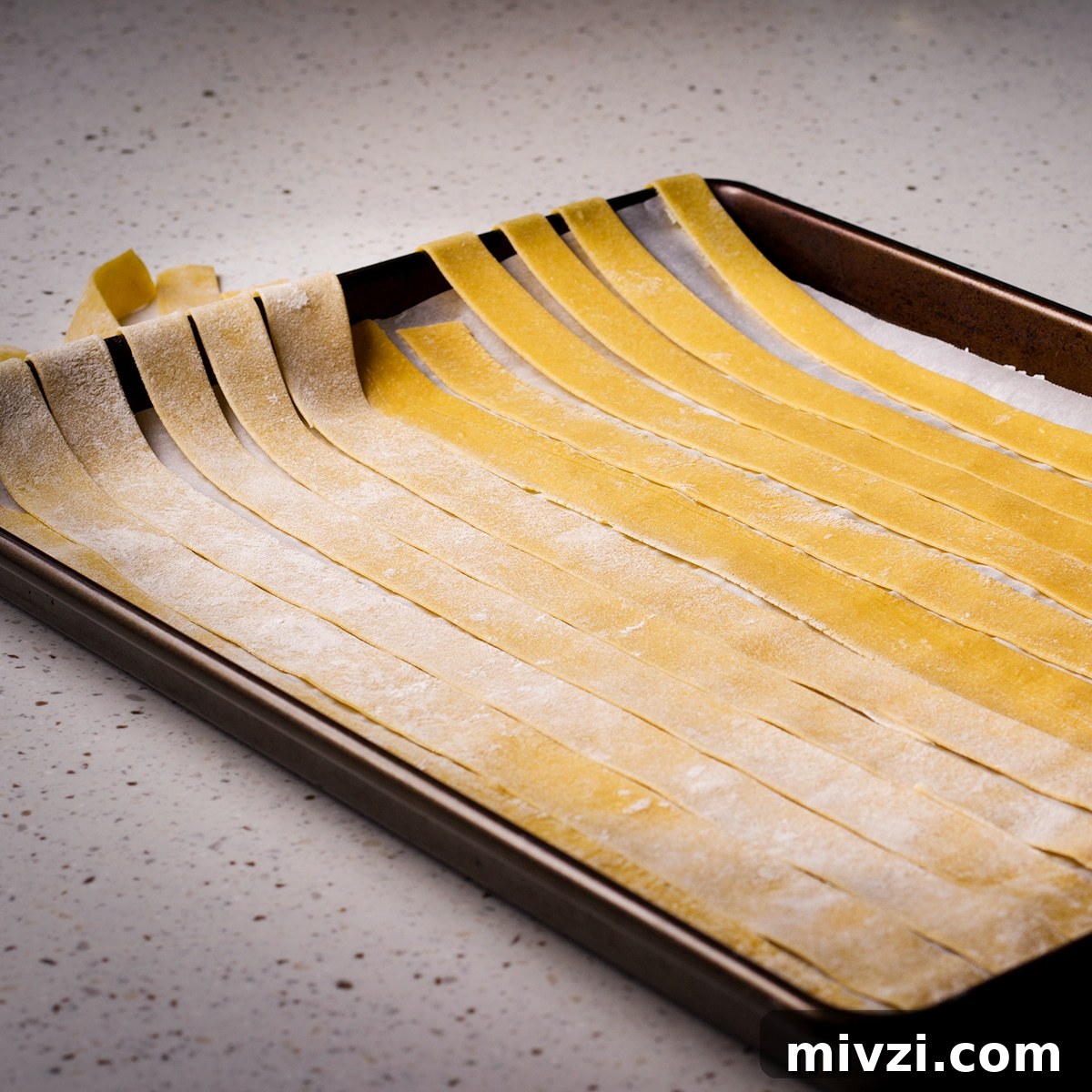
Place cut noodles on a parchment-lined baking sheet dusted with flour. You can also hang them on a drying rack if preferred.
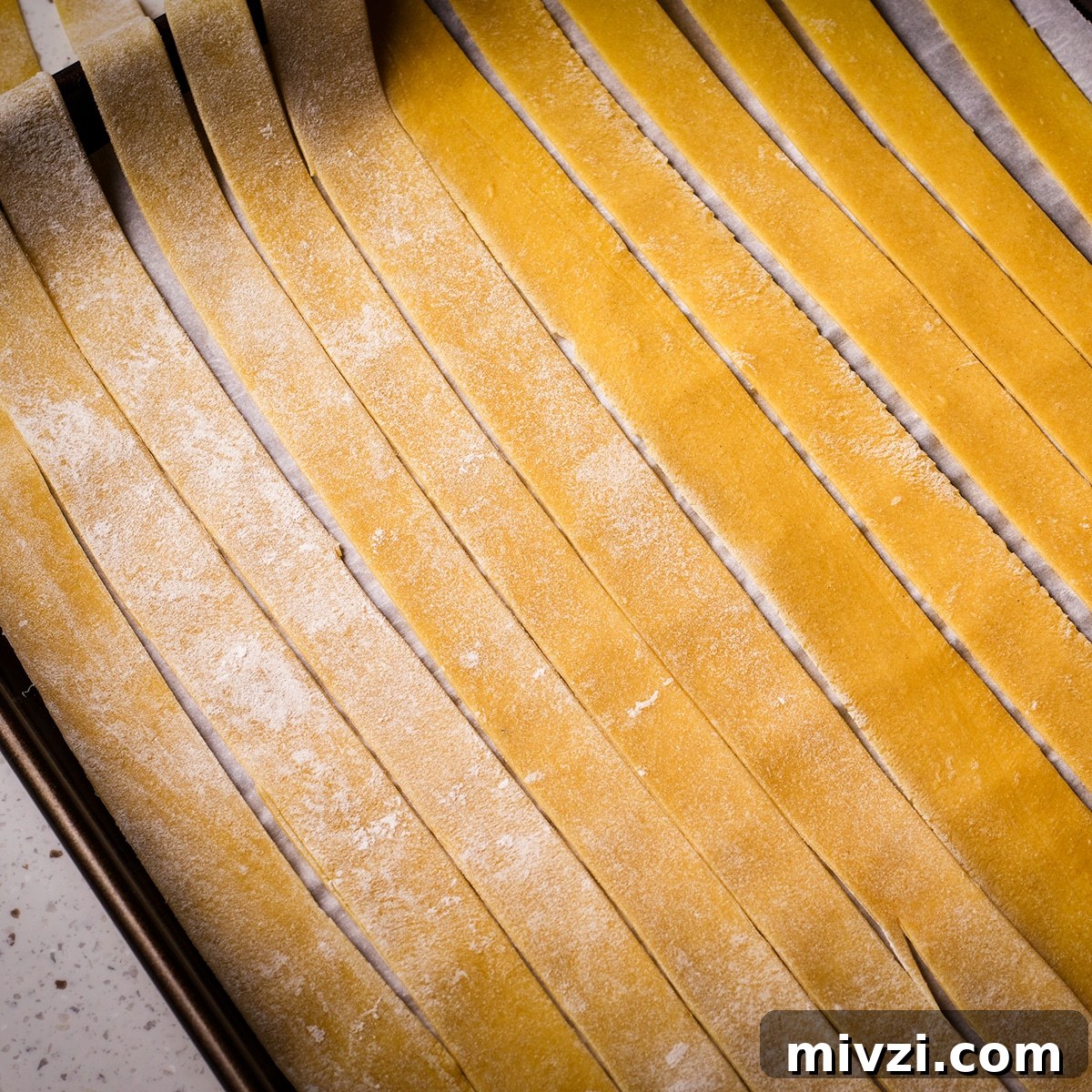
Let the noodles dry for at least an hour before cooking. Slightly dried noodles cook more evenly and resist becoming mushy. Fully dried noodles can be stored in an airtight container for up to three weeks.
Pro tip for drying pappardelle noodles
If you plan to dry and store pappardelle, cut strands no longer than 6–8 inches so they are easy to stack and store in a gallon-size zip-top bag or a rectangular container. If you hang longer strands to dry, they will break easily in the middle when fully dry — which can be used to your advantage when you want shorter pieces for storage.
How to cook pappardelle noodles
The key to cooking fresh pasta well is heavily salting the water so it tastes like the sea. Pasta dough contains little or no salt, so the boiling water is your primary seasoning source.
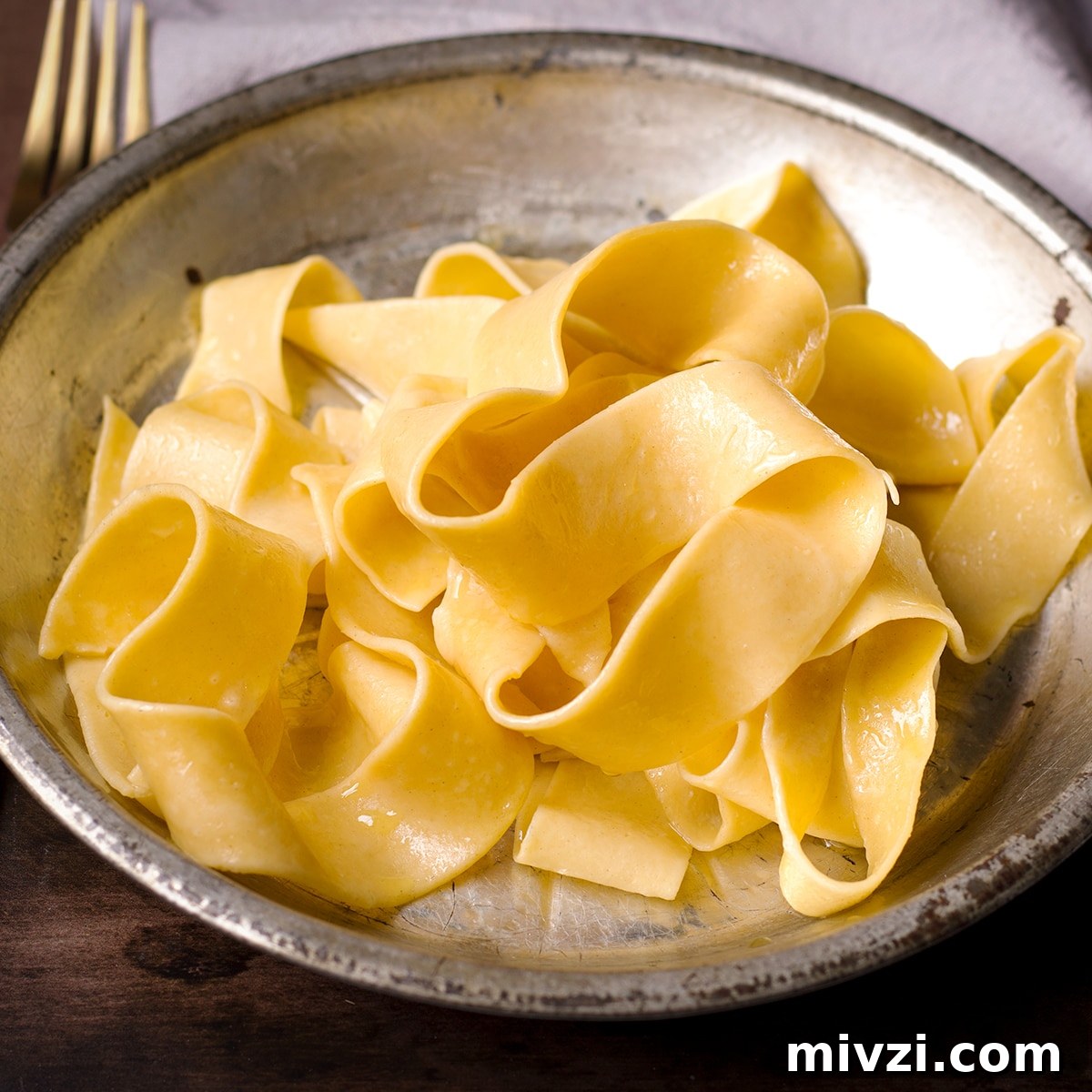
Bring generously salted water to a rolling boil, add the pappardelle, and cook until al dente — tender but with a slight bite. Fresh noodles that have rested an hour will usually cook in 2–4 minutes; fully dried noodles take 8–9 minutes, depending on width and thickness.
3 tips for perfectly cooked pappardelle noodles
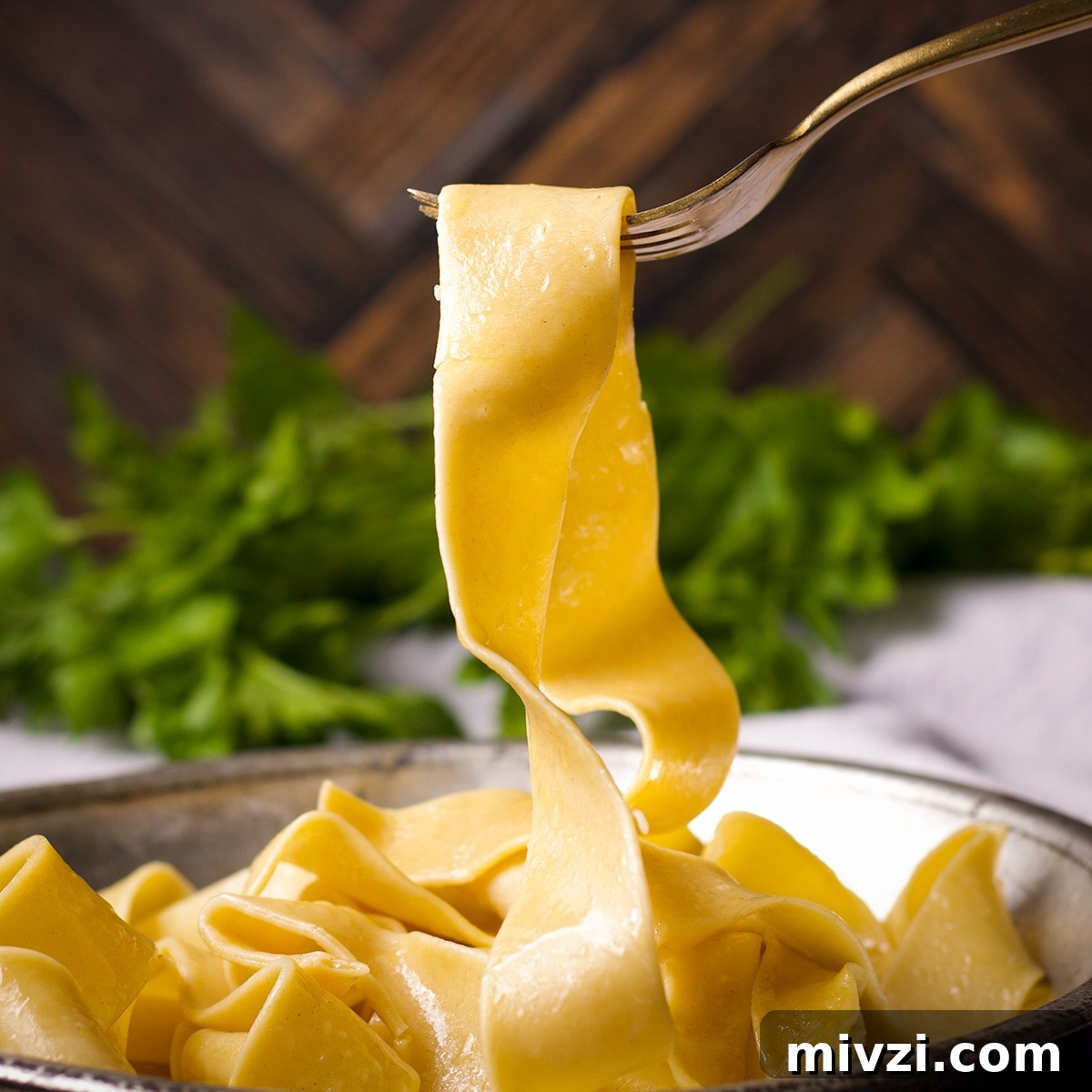
- Knead at least 10 minutes. A longer knead develops gluten and yields a silky, springy texture that’s worth the effort.
- Rest the dough. Refrigerate for a minimum of 5 hours; 12–24 hours gives the best flavor and texture.
- Dry the cut noodles slightly before cooking. Letting them rest an hour helps them cook evenly and prevents a mushy finish.
Recipes to make with homemade pappardelle noodles
Pappardelle shine with rich, chunky sauces. A classic meaty bolognese is my top pick — the wide noodles hold slow-simmered ragù beautifully.
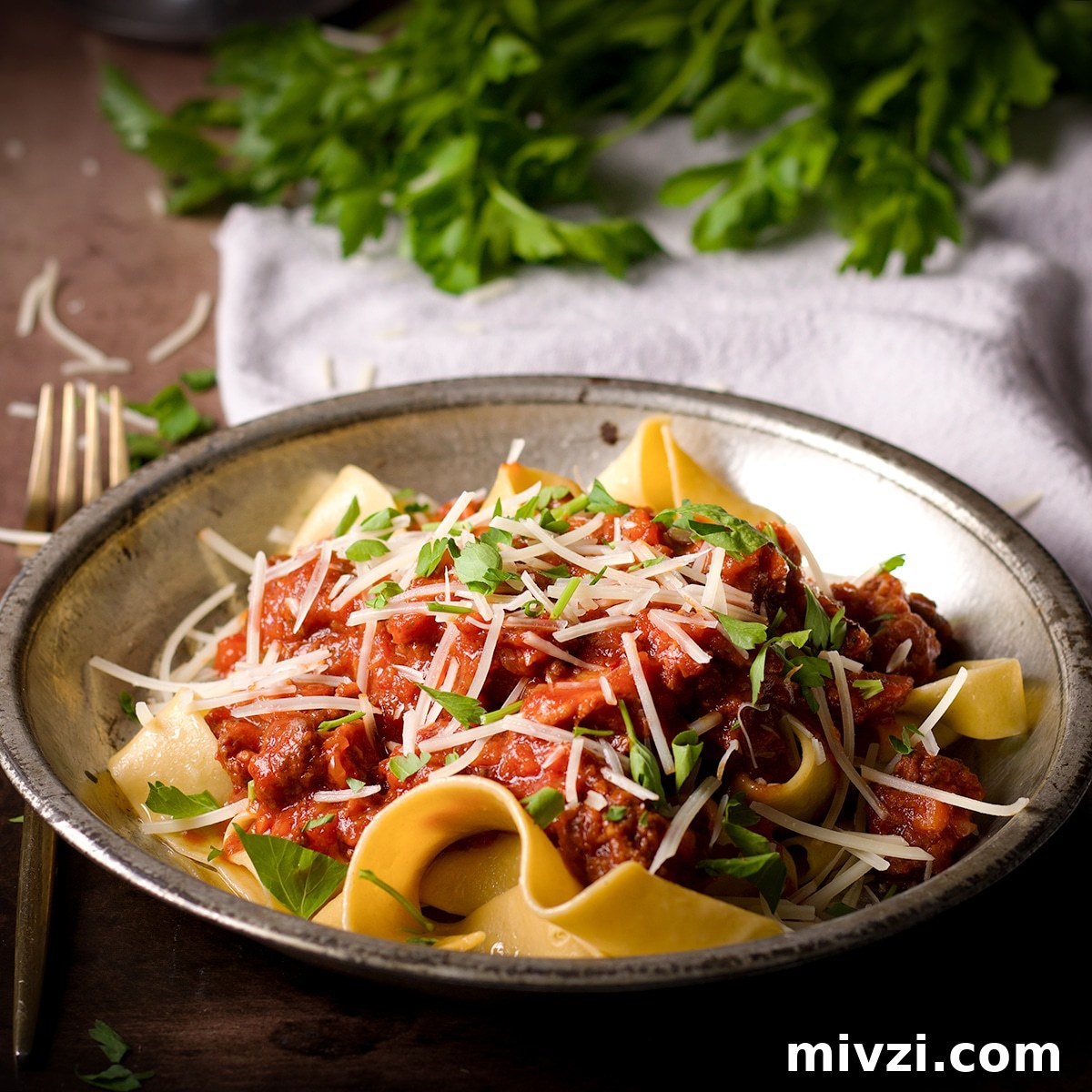
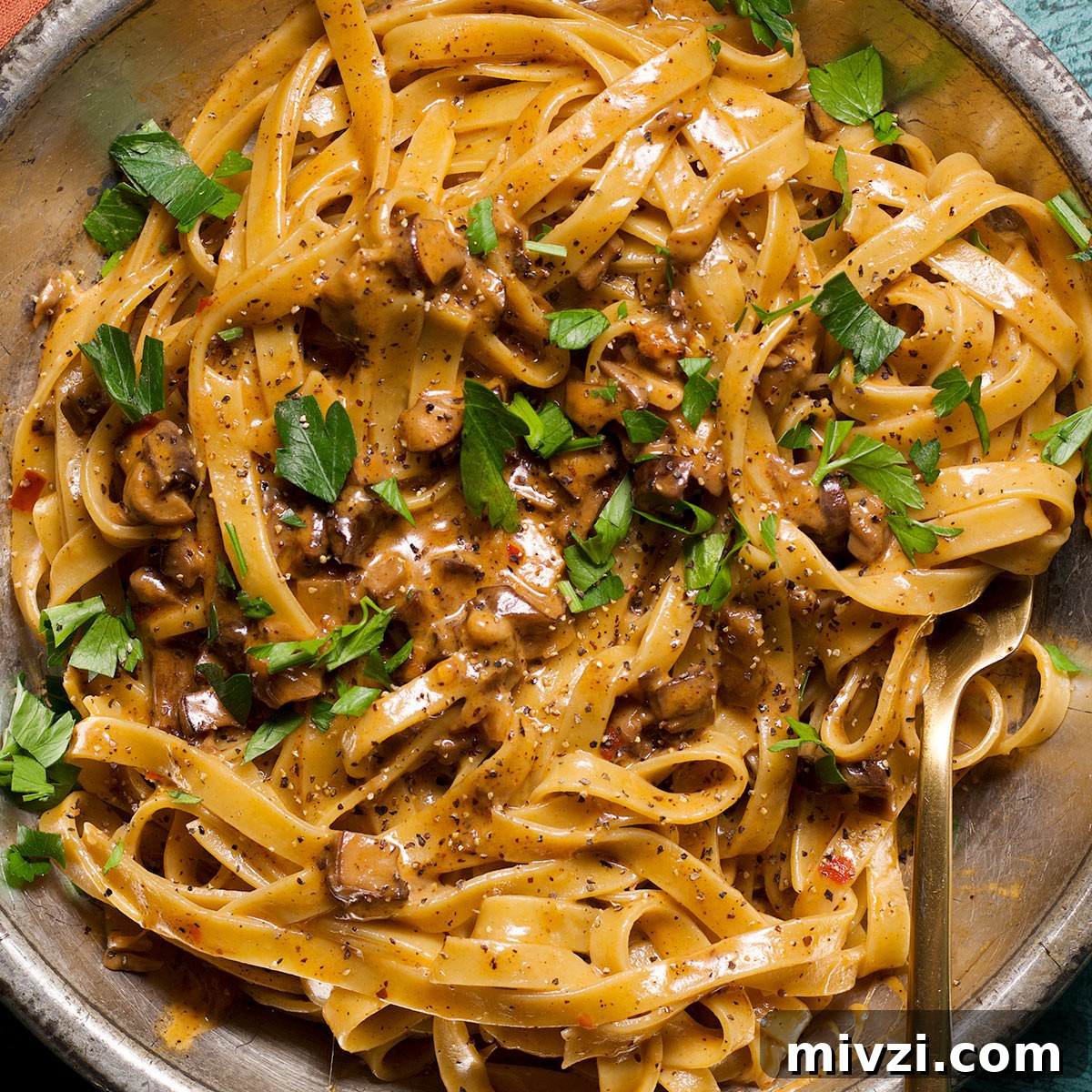
They’re also excellent with a creamy mushroom ragù, a roasted red pepper sauce, or in dishes like Hungarian chicken paprikash. Wide noodles bring body and substance to saucy preparations.
Give this recipe a try and share your results. Leave a comment or note your favorite sauce pairing.
📖 Recipe
Homemade Pappardelle Noodles
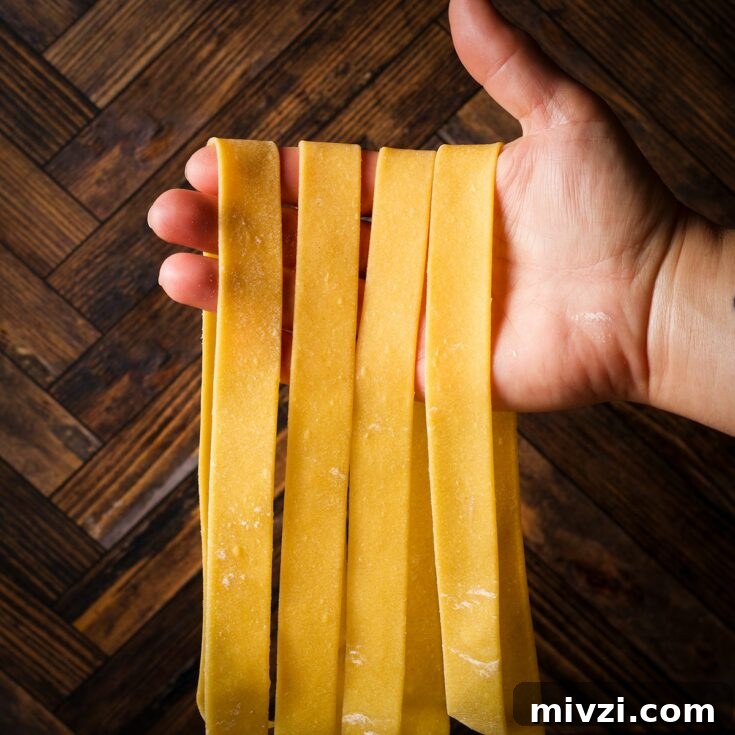
This dough is rich in egg yolks for deep yellow noodles with a luxurious texture and excellent flavor.
30 minutes
6 minutes
5 hours
36 minutes
Ingredients
- 1 ¼ cups (150 grams) all-purpose flour
- ½ cup (82 grams) semolina flour
- 6 large egg yolks + 1 whole egg (140 grams total)
- 1 tablespoon extra virgin olive oil
- 1 ½ tablespoons milk
Instructions
- Add both flours to a large bowl or onto a clean work surface and whisk together. Make a well in the center. Whisk the egg and yolks just to combine, then pour into the flour. Add the olive oil and milk.
- Using a fork, whisk the eggs while gradually incorporating flour bit by bit until a soft, shaggy dough forms.
- Turn the mixture onto a floured surface and knead by hand, folding and pressing the dough until it becomes smooth, elastic, and not sticky. Knead at least 10 minutes.
- Wrap the dough in plastic and refrigerate for at least 5 hours and up to 1 week.
- When ready, divide the dough into 4 pieces. Flatten one piece and feed it through a pasta machine on the widest setting. Fold and repeat 10–12 times, dusting with flour as needed.
- Gradually narrow the roller setting to thin the sheet. For pappardelle, stopping around setting 5 is common.
- Lay the sheet on a work surface and cut into strips ¾ inch to 2 inches wide, as you prefer.
- Arrange the noodles on a parchment-lined, floured baking sheet and repeat with remaining dough.
- Allow noodles to dry at least 1 hour before cooking, or dry completely and store in an airtight container for up to 3 weeks.
- To cook, bring a large pot of heavily salted water to a boil. Add noodles and cook until al dente (fresh: 2–4 minutes; fully dried: 8–9 minutes). Drain and serve with your favorite sauce.
Notes
- See the photos above for step-by-step guidance if you’re new to fresh pasta.
- Fresh dough keeps tightly wrapped in the refrigerator for up to 1 week; dried pappardelle stores in an airtight container for up to 3 weeks.
Nutrition Information:
Yield:
6
Serving Size:
⅙th of the recipe
Amount Per Serving:
Calories: 247Total Fat: 9gSaturated Fat: 3gTrans Fat: 0gUnsaturated Fat: 6gCholesterol: 248mgSodium: 87mgCarbohydrates: 29gFiber: 1gSugar: 1gProtein: 12g
Did you make this recipe?
Please leave a comment or share a photo of your pasta.