
If you love the relaxed luxury of brunch, hosting one at home can feel like a warm embrace. A successful home brunch is all about simple planning, layered flavors, and an easygoing atmosphere. Below is a practical guide to hosting a delightful brunch at home, with tips on theme, menu planning, guest count, and table styling to help you pull everything together without stress.

I’ve hosted gatherings since college, from tiny dorm-room parties to larger holiday brunches, and one consistent truth remains: thoughtful prep makes the event enjoyable for both guests and host. If you’re reading this, you’re already on your way to creating a memorable, effortless brunch.
What’s so special about brunch?
Brunch feels unhurried and playful. It bridges breakfast and lunch, giving you freedom to mix sweet and savory dishes and to lean into seasonal ingredients. Many items can be served hot, warm, or at room temperature, which keeps you out of the kitchen and present with your guests.

Getting started (setting the mood)
Instead of overthinking a theme, consider seasonality and setting. Ask yourself: is this a spring garden brunch, a holiday celebration, or an indoor cozy weekend gathering? These answers will guide both menu and styling choices.
Also think about who will attend. A casual gathering of friends, a family sit-down, or a buffet-style spread with kids will each call for different logistics. Some common formats to consider:
- Casual coffee and pastries with fruit
- Sit-down meal with family-style dishes passed around
- Buffet or self-serve stations for ease
- A mix of homemade and store-bought items
- Potluck where guests bring favorite dishes
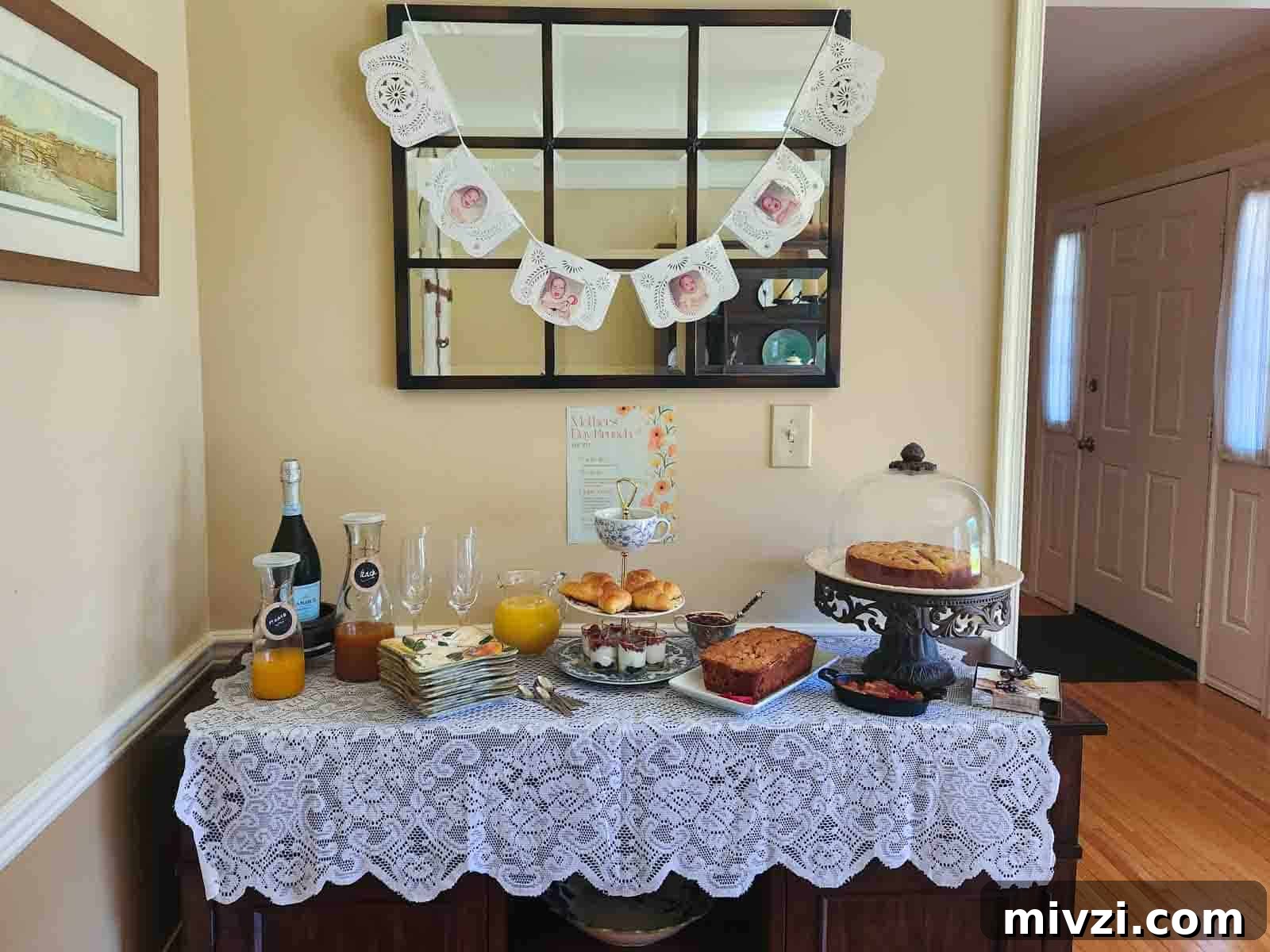
Once you decide the format, begin planning the menu and logistics.
The guest list (and how to keep it reasonable)
Head count and space
The guest list can quickly spiral. To keep hosting manageable, aim for 6–12 people. If space and appetite allow, invite more, but for many hosts a smaller group reduces stress and allows for better conversation.
Decide on a time
Select a start time that gives you prep room. A window between 11:00 am and 1:00 pm is ideal for most brunches—late enough to avoid early-morning rush, early enough to leave the afternoon free. Plan 2–3 hours for eating, drinking, and socializing.
Send invitations (or keep it casual)
Invitations can be as formal or casual as you like: a group text, a social event page, a digital invite, or a handwritten note all work. Choose the method that reaches your guests reliably.

How to plan a brunch menu
Use a straightforward blueprint to build your menu so it feels abundant without being overwhelming. A balanced menu often includes:
- Main dish (savory or sweet)
- One baked sweet (quick breads or muffins)
- Savory side (potatoes, scones, or small bites)
- Something fresh (fruit, salad, or a cheese plate)
- A signature drink (alcoholic or non-alcoholic)
Account for dietary restrictions with a few flexible options so every guest can find something they enjoy.
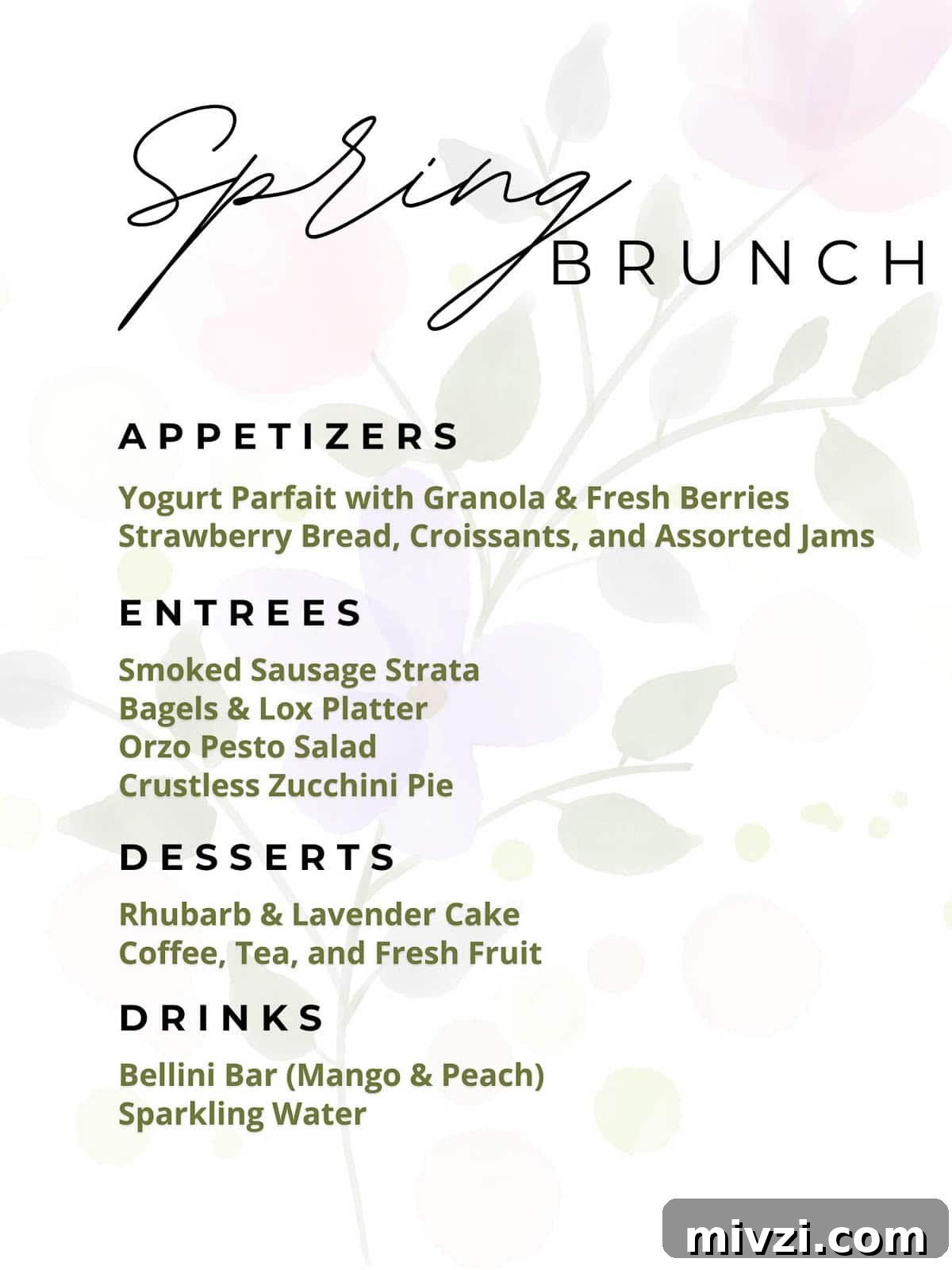
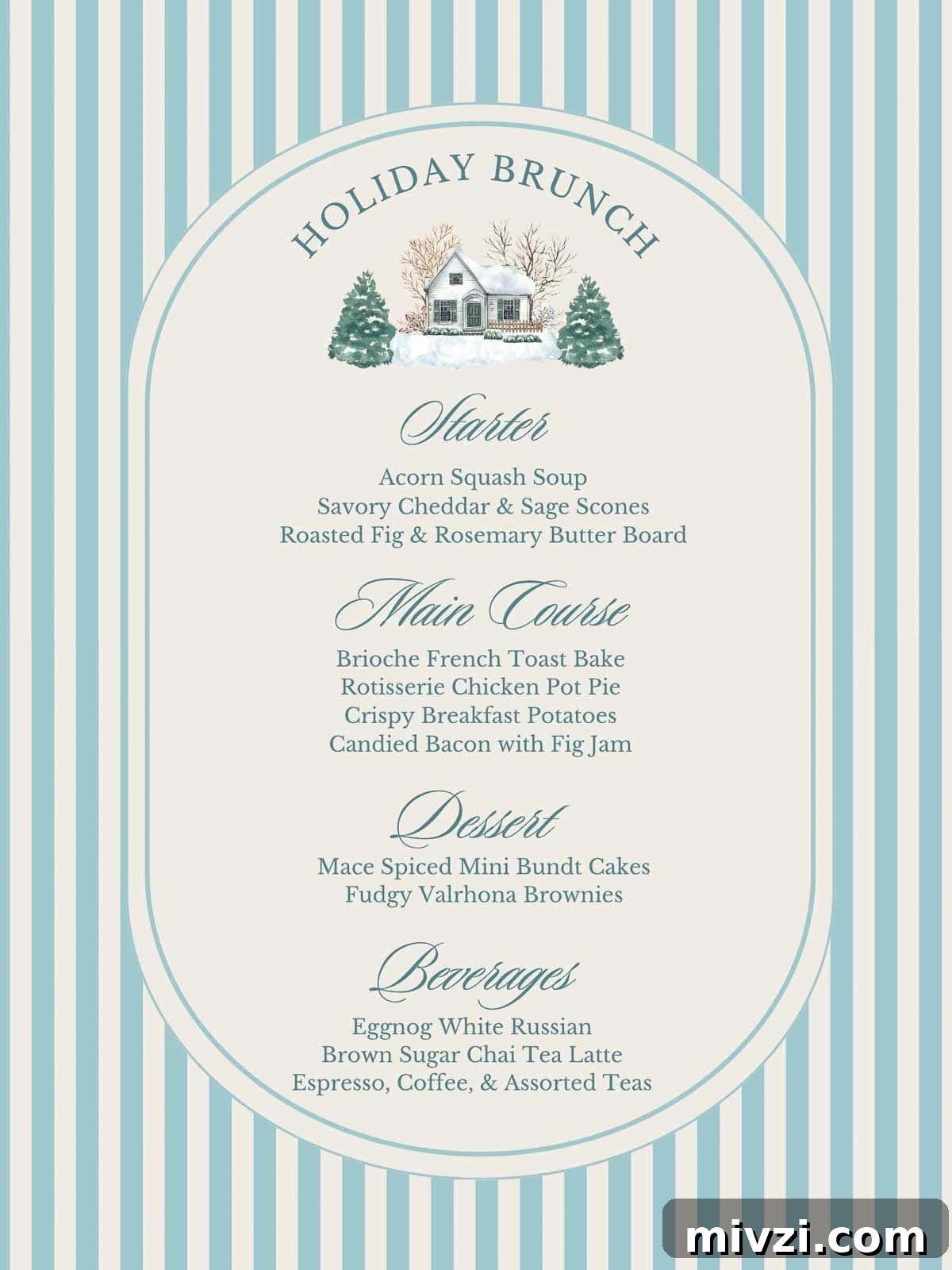
Brunch math: How much food do you need?
Worried about running out of food? Plan for a little extra but don’t stress—leftovers are a perk. Most brunch dishes keep well in the fridge for a few days or can be frozen. Here’s a simple serving guide:
- Main dish: plan for 1.5 servings per person
- Cheese & charcuterie: about 2 ounces of cheese/meat per person
- Pastries or muffins: 1–2 mini items per person or 1 full-sized item each
- Fruit salad: roughly 1/2 cup per person
- Coffee & juice: about 2 cups of coffee per drinking adult and 1.5 glasses of juice or cocktails per person
- Alcohol: for 8 guests, estimate 2–3 bottles of sparkling wine for mimosas/Bellinis
Larger guest list tip
For groups over 10, favor baked dishes (strata, frittatas, baked French toast) that can be prepped ahead and sliced into portions—easy to reheat and serve.
Seasonal brunch inspiration
Let the season guide your menu: it’s the easiest way to create a cohesive, inviting table with minimal effort.
Spring: Fresh, bright & light
Lean on citrus, fresh herbs, and berries. Lighter dishes and vibrant flavors signal warmer days and pair well with herbs and spring veggies.

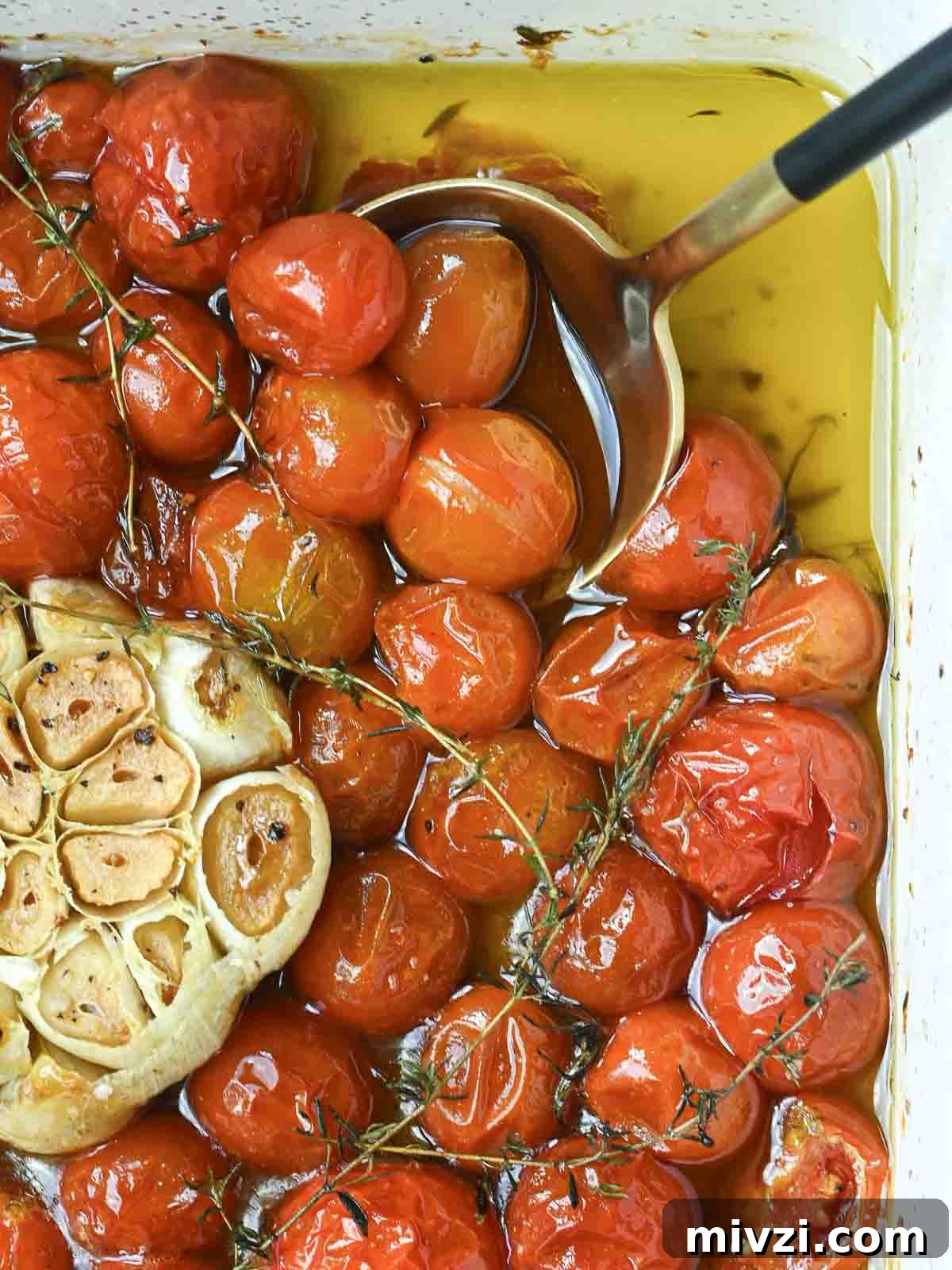
Summer: Highlight your garden
Summer is about ripe tomatoes, sweet stone fruit, and easy outdoor-friendly dishes. Fresh herbs and simple preparations keep food tasting bright.
Fall: Cozy, warm & comforting
Move toward warming spices, apples, and maple flavors. Hearty bakes and spiced desserts make the table feel comforting and seasonal.

Winter: Festive & fun
Winter invites richer, celebratory dishes and indulgent flavors. Think warm, bubbling mains and decadent sweets paired with festive drinks.

How to set a beautiful brunch table
A welcoming table doesn’t require perfection. Use pieces you already own and layer textures for a lived-in look. Ideas to style quickly:
- Repurpose jars, teapots, or tins as vases
- Fill a trifle dish with citrus, fruit, or seasonal veggies
- Place candles or tea lights down the center for ambience
- Choose multi-purpose serving pieces that can go from oven to table
- Use picture frames for printed menus or a personal touch
- Decorate with flowers—fresh, dried, or foraged greenery
Budget flower tip
Affordable store-bought flowers work, and foraged branches or greenery from your yard can look equally beautiful and cost nothing.
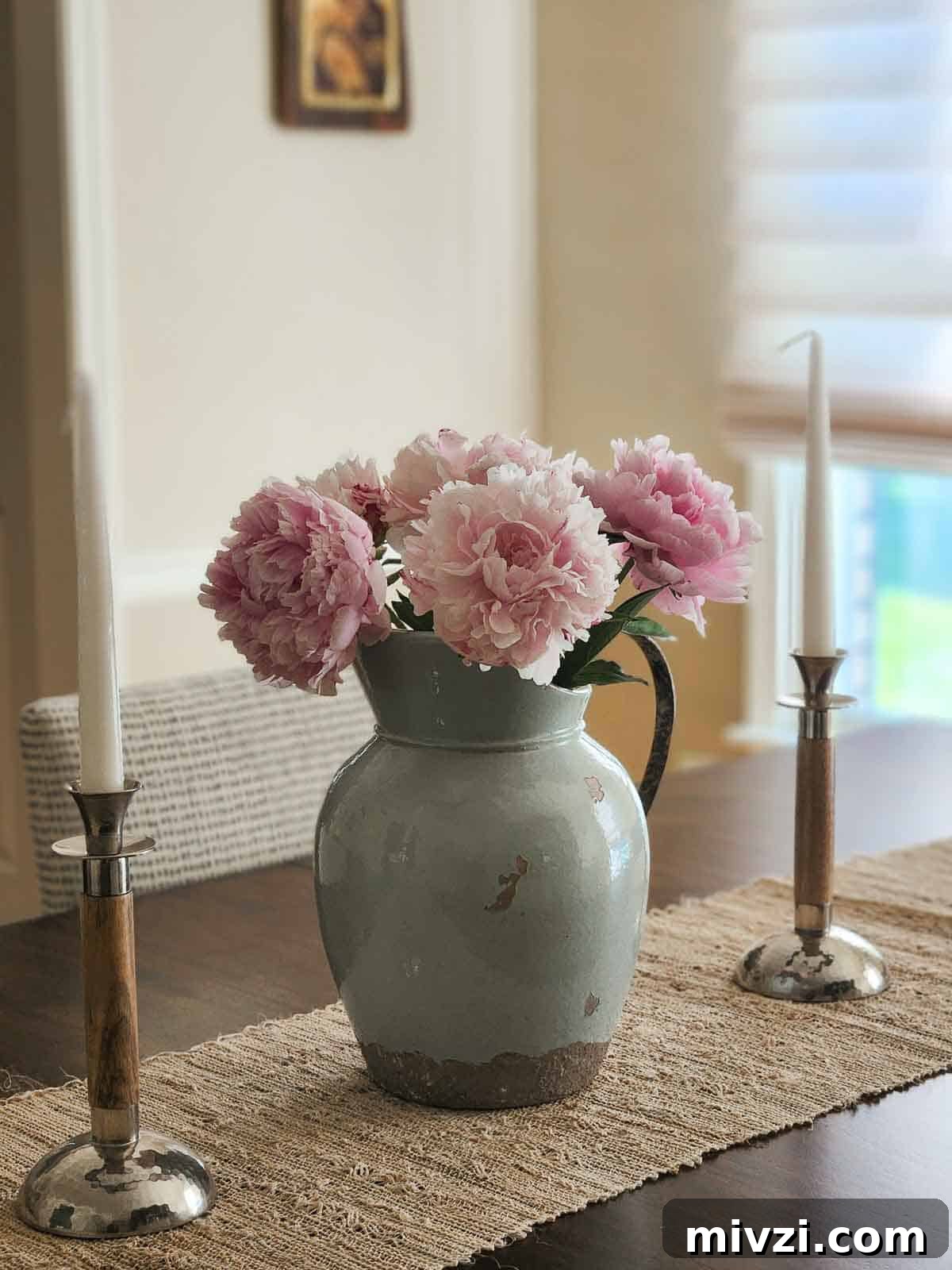
Build a neutral, year-round base
Neutral linens and simple runners create a versatile foundation. Add woven placemats, soft napkins, and mixed textures for a relaxed, intentional look.
Decorate with the seasons
Let natural elements lead the decor: pinecones and apples in fall, greenery in winter, blossoms in spring, and fruit or herbs in summer. Small holiday touches like metallic ornaments can be used sparingly for sparkle.
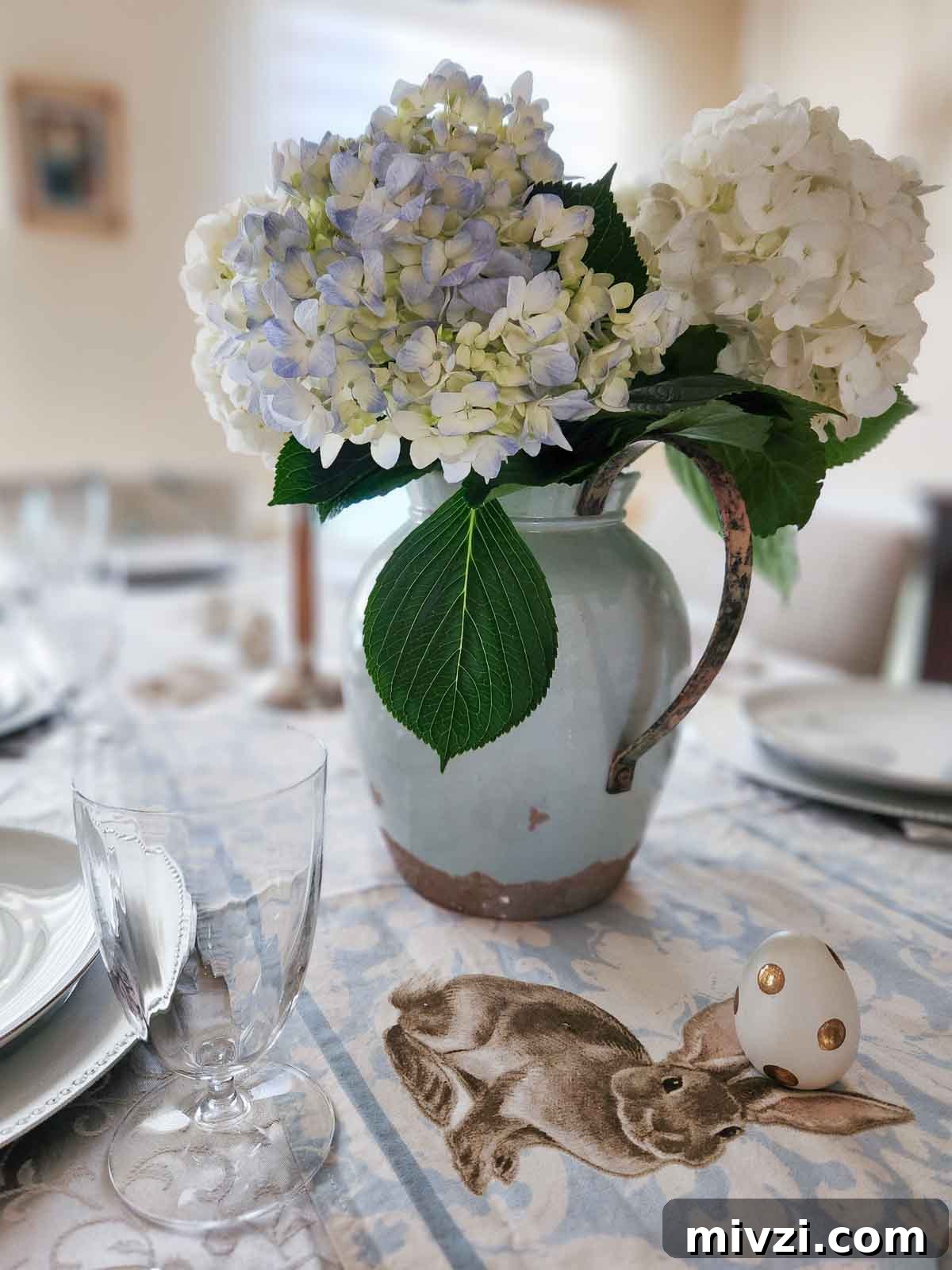
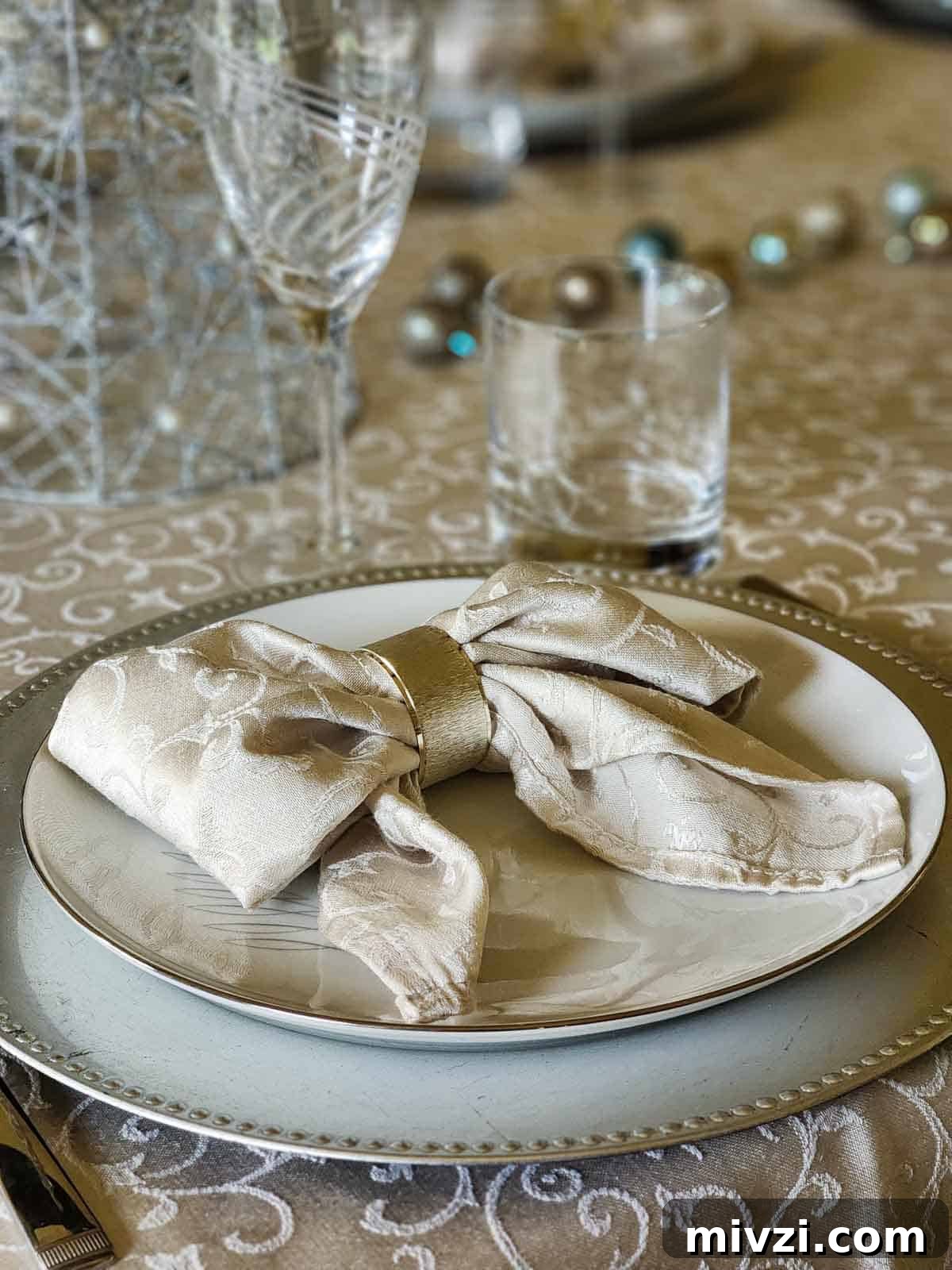
Embrace the beauty of “mismatched”
Mixing patterns, vintage plates, and colored glassware gives your table character. Imperfect, collected pieces make the setting feel authentic and welcoming.
Perfectionist tip
Letting go of a perfectly matched set can be freeing. Try mixing styles in small ways to see how charming the result can be.
Ultimately, a beautiful brunch table feels warm, relaxed, and thoughtfully arranged rather than staged.
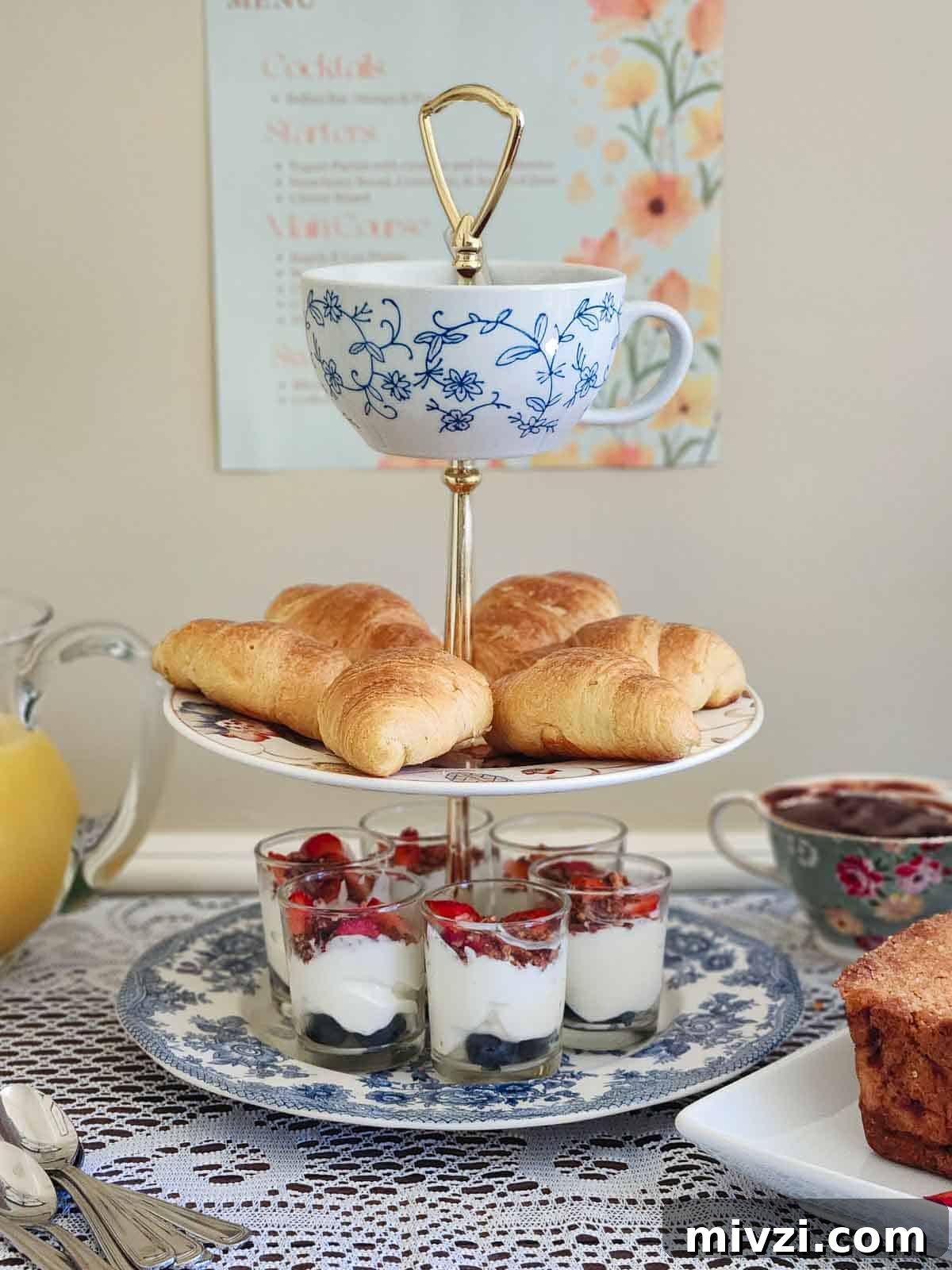
My best brunch hosting tips
Plan ahead to stay relaxed. Set the table the night before, prep ingredients in advance, and arrange serving dishes with notes for contents so you won’t scramble in the morning. Favor dishes that can be baked, assembled, or served at room temperature rather than items that require constant stove-side attention.
The less you have to manage during the event, the more you can enjoy your guests.
Brunch hosting tips to avoid
- Waiting until the morning to set the table—prep the night before.
- Overcomplicating the menu—fewer, well-executed dishes are better.
- Attempting too many made-to-order items—leave the omelet station to resorts.
- Making every dish hot—room-temperature items reduce stress.
- Buying lots of new decor—use what you have creatively.
- Skipping a drink station—self-serve coffee, juice, or cocktails help guests and host.
- Forgetting to enjoy your own party—plan to be present.

Finish with a personal touch
Small gestures make a big impression. Add a printed menu, a sprig of rosemary, a lavender stem, or a handwritten name card at each place setting. Sending guests home with a small edible favor—like a jar of granola or a few mini muffins—leaves a warm, lasting impression.

Now, pour a mimosa and enjoy!
Your guests are there for connection and good food—not perfection. Take a breath, embrace the imperfect and the mismatched, pour yourself a drink, and enjoy the space you’ve created. With a clear plan and a few thoughtful details, hosting a memorable, relaxed brunch at home is entirely within reach.
What personal touch do you love adding to brunch? Share your favorite seasonal dish or simple detail that makes a gathering special.