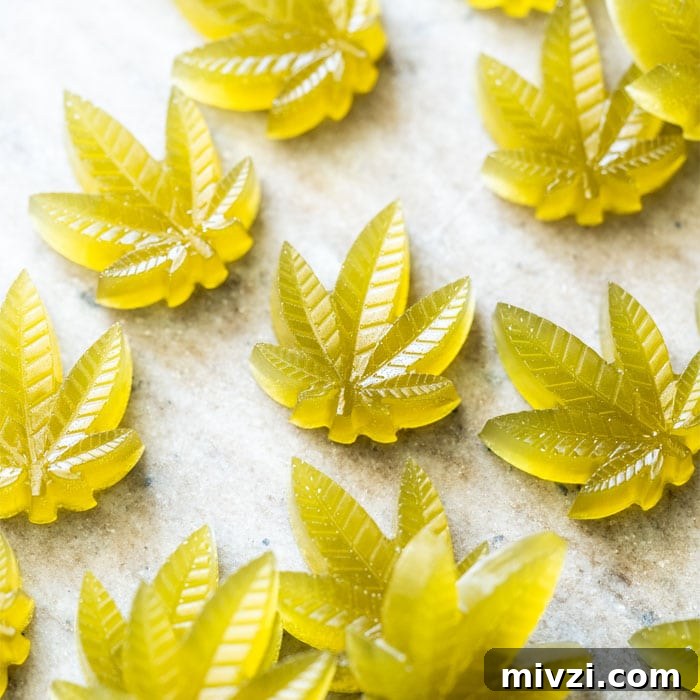
These homemade paleo and keto CBD gummies deliver both soothing benefits and solid nutrition. They’re chewy, flavorful treats made with calming CBD and grass-fed collagen for an extra protein boost.
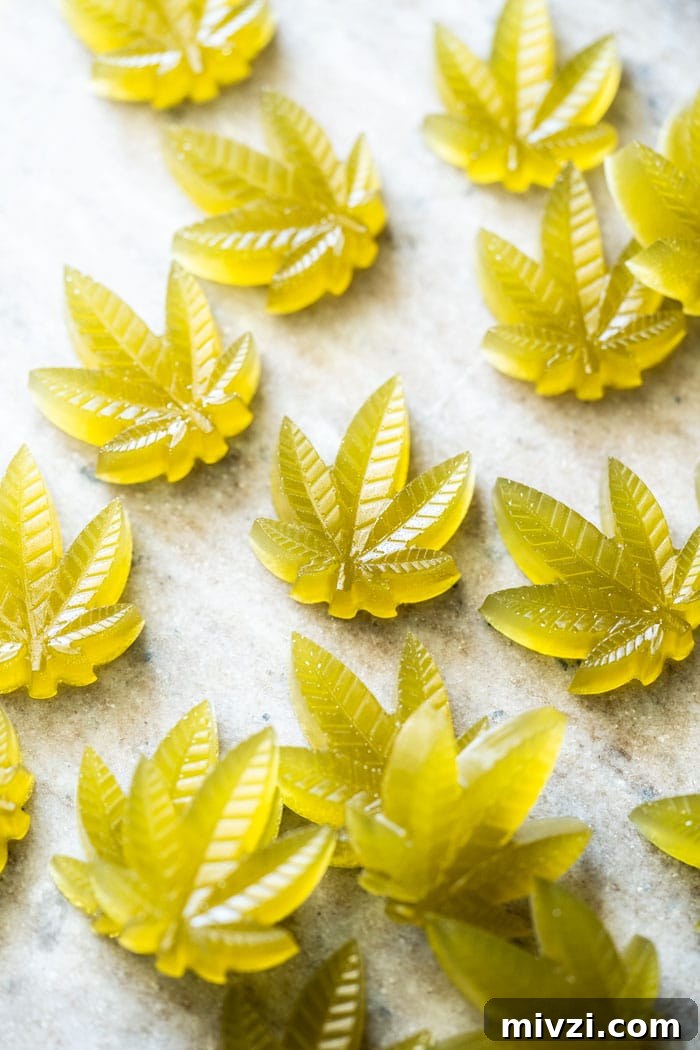
Paleo & Keto CBD Gummies
Ultra Soothing
CBD gummies exploded in popularity in recent years, and it’s easy to see why: they offer a convenient, familiar way to enjoy cannabidiol. In this article I share my personal experience with cannabis, recommend the products I’ve used (not sponsored), and walk you through making your own keto CBD gummies—an ideal slow-release edible.
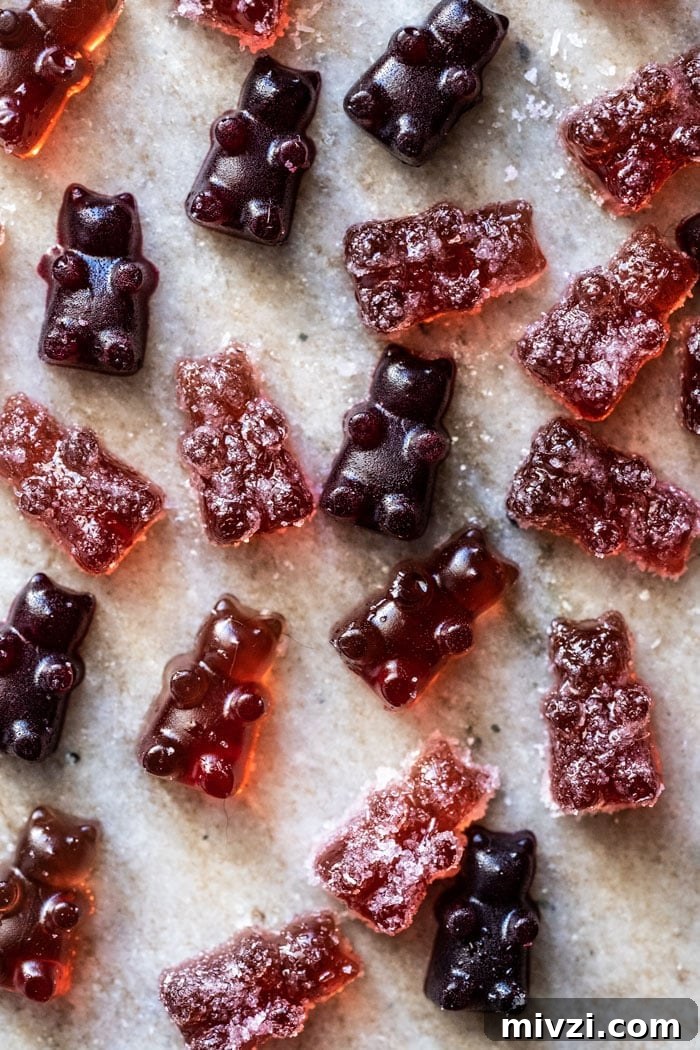
Like my keto gummy bears, these gummies are enhanced with collagen, antioxidants from berry powders, a healthy dose of vitamin C, and of course CBD. They have a real chew—less firm than commercial gummies but pleasantly substantial, especially considering the clean ingredients.
If you like sour candy, try the sour coating version: the tartness adds a vivid punch and a delightfully nostalgic gummy texture.
My Story
I usually stay behind the scenes, but it feels right to share why cannabis became part of my life. In June 2018 I injured my sciatic nerve from a routine injection, which severely limited my mobility for nearly two years. I spent months recovering, much of it relearning basic movement, and eventually regained full mobility.
That experience taught me a lot about chronic pain. Prescription painkillers helped only minimally, so I explored holistic approaches while spending time in places where cannabis is legal. Over the past months I’ve used tinctures, patches, edibles, and vapes—some pure CBD, some blended CBD:THC ratios—to manage pain and the emotional symptoms that come with chronic injury, such as anxiety and insomnia.
This isn’t a cure-all story, but cannabis has been important for breaking through pain and supporting emotional recovery. I’ll share more about other therapies like ketamine infusions and meditation separately.
About CBD and THC
Cannabidiol (CBD) is one of the main compounds in cannabis and hemp. Non-psychoactive CBD won’t get you high; it interacts with the endocannabinoid system to reduce anxiety, inflammation, pain, and insomnia in many people.
Research and anecdotal reports suggest CBD can be more effective when paired with some THC—known as the entourage effect—especially for neuropathic pain. For my sciatica, combinations like a 30:1 CBD:THC tincture and 1:1 patches provided the most relief, while pure CBD products were helpful for anxiety and sleep.
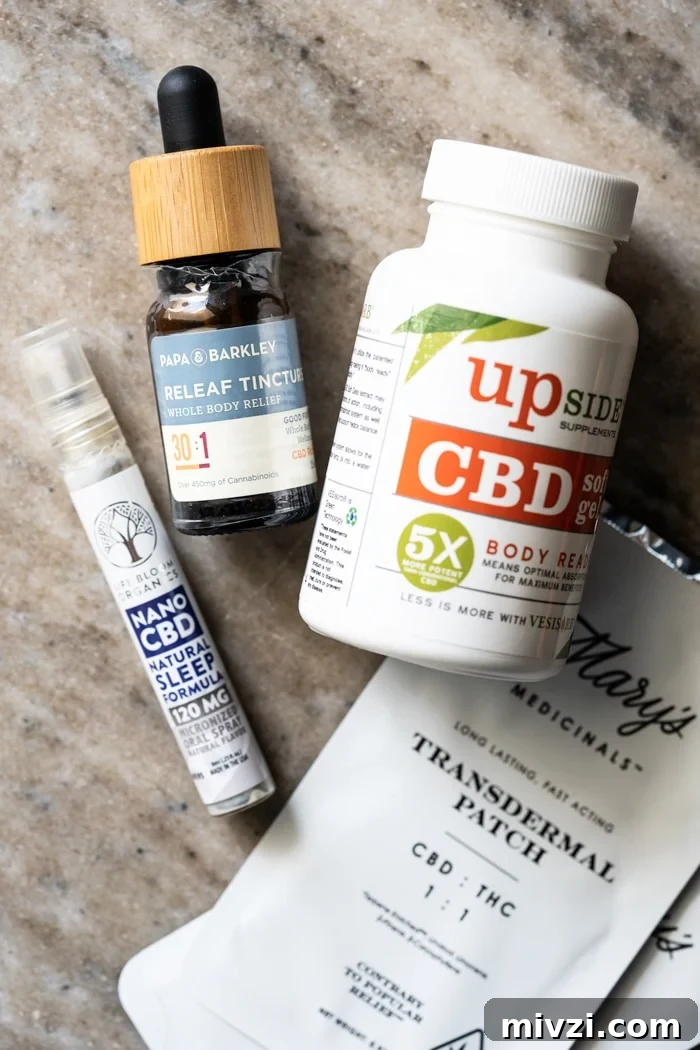
Here are the formats I’ve found most useful:
- CBD tinctures — great for daily management of pain, anxiety, and sleep. Dosing varies by product and person; start low and titrate up.
- Transdermal patches and balms — excellent for targeted, sustained relief. Patches can be trimmed for smaller areas and provide long-lasting effects.
- CBD for sleep — specific sleep formulations can be very effective; take them when you’re ready to rest.
- Vapes — useful for quick relief during acute neuropathic episodes. Ratios with some THC can work better for sudden flare-ups.
How to Make Keto CBD Gummies
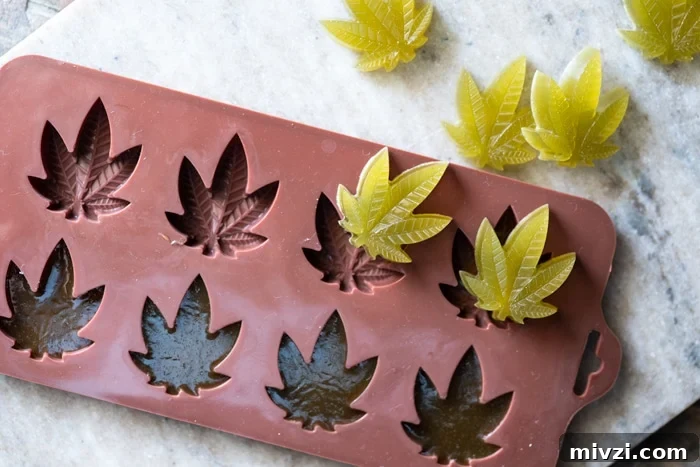
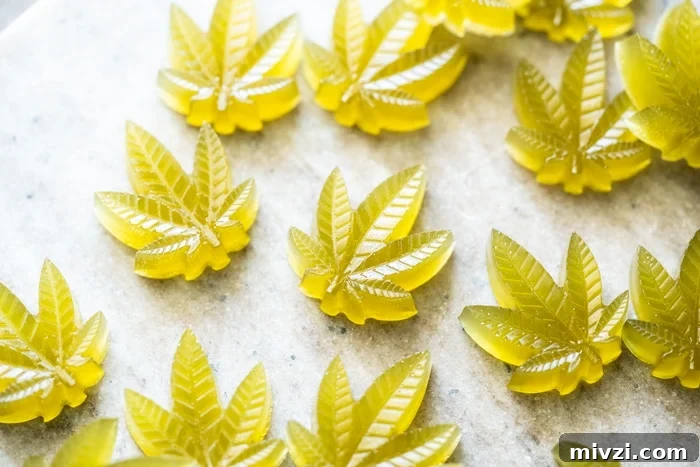
These gummies are straightforward. Make a batch of keto gummies, stir in your measured CBD at the end, then pour into silicone molds. Use leaf or gummy bear molds depending on the portion size you prefer—smaller molds mean smaller doses per piece.
Dosing CBD is the trickiest part. Test your effective dose first. For example, if your low dose is 0.25 ml, and your mold yields 20 gummies, multiply the dose by 20 to calculate how much tincture to add for the whole batch.
Key Ingredients
Basic ingredients are gelatin, a fruit flavor or juice, and a sweetener. I also recommend adding vitamin C powder (citric or L-ascorbic acid) for a bright, candy-like tang and extra nutrition.
- Use gelatin (not collagen) for proper gelling — grass-fed gelatin adds nutrients and a pleasant texture.
- Flavor with fruit powders, tea infusions, or fresh fruit juice. Lemon extract and a touch of matcha can create an appealing color and flavor.
- Vitamin C powder is optional but recommended, especially for sour gummies; it provides that authentic gummy tang and adds vitamin C.
Sweetener Options
I tested xylitol, monk fruit, allulose, and erythritol. My conclusions:
- Allulose — best texture and flavor with no aftertaste; about 70% as sweet as sugar, so increase the amount by roughly 30% compared to sugar.
- Monk fruit or stevia — use sparingly; they are much sweeter than sugar and can have a distinct aftertaste at higher amounts.
- Xylitol — performs well but has a higher glycemic index and is toxic to pets, so use caution if animals are present.
- Erythritol — tends to crystallize when melted and is the least reliable for a smooth gummy texture.
Sweeten slightly more than you think, because the finished gummies can taste a bit less sweet after they set.
Sour Gummy Coating
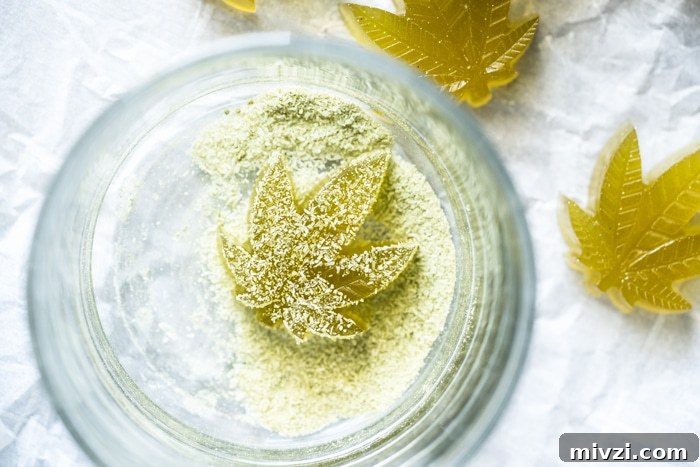
The sour version is especially delicious. Toss the finished gummies in a mix of allulose and vitamin C powder for a bright, tart coating. Because these gummies aren’t dried and there’s no anti-caking agent, coat and eat them immediately for the best texture—the coating will absorb moisture over time.
(Homemade!) Paleo & Keto CBD Gummies
Pin Recipe
Ingredients
For the keto CBD gummies
- 1 batch keto gummies
- CBD tincture I used 5 ml
Special equipment
- gummy bear silicon molds makes 150
- cannabis leaf silicon mold makes 20
Instructions
For the keto CBD gummies
-
Prepare a batch of keto gummies according to your chosen recipe, and add the CBD oil at the very end, mixing thoroughly to distribute it evenly.
-
Pour the mixture into a bowl and use a dropper or candy pump to fill silicone molds.
-
Let the molds cool to room temperature (about 15 minutes) then refrigerate for about 30 minutes or until set. Store in an airtight container in the fridge for up to two weeks.
-
Note: CBD dosing varies by person and product. Start with a known low dose and scale up. For example, if your low dose is 0.25 ml per serving and your mold yields 20 pieces, multiply 0.25 ml by 20 to find the total tincture to add.
Notes
Nutrition