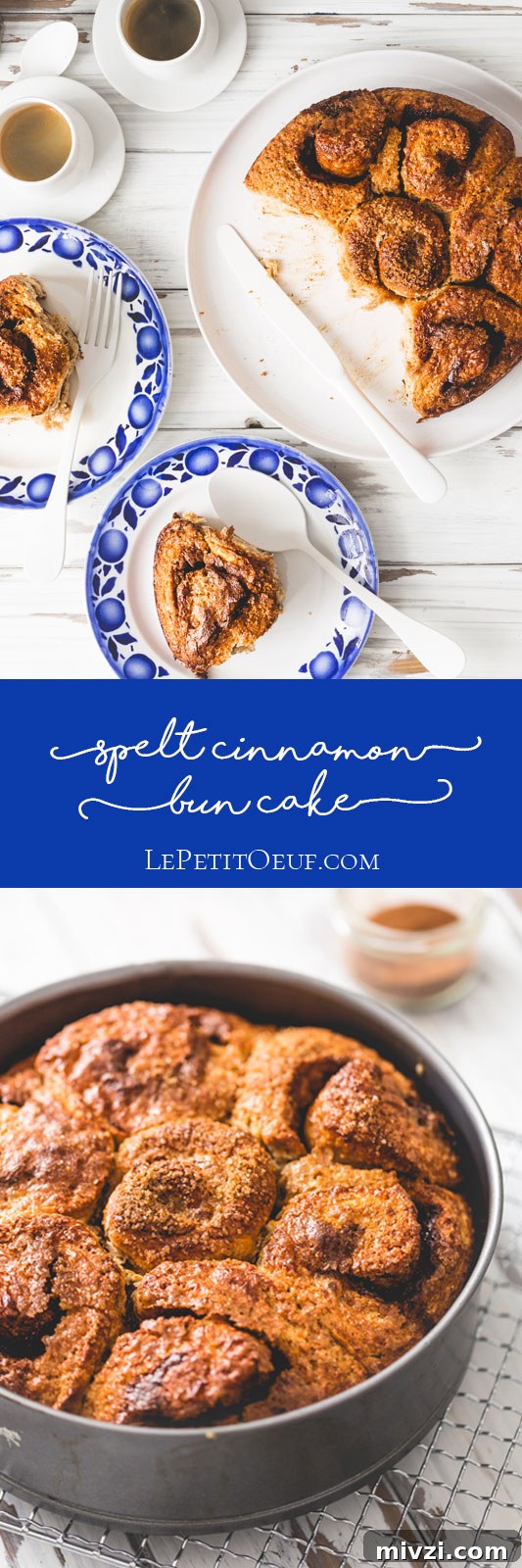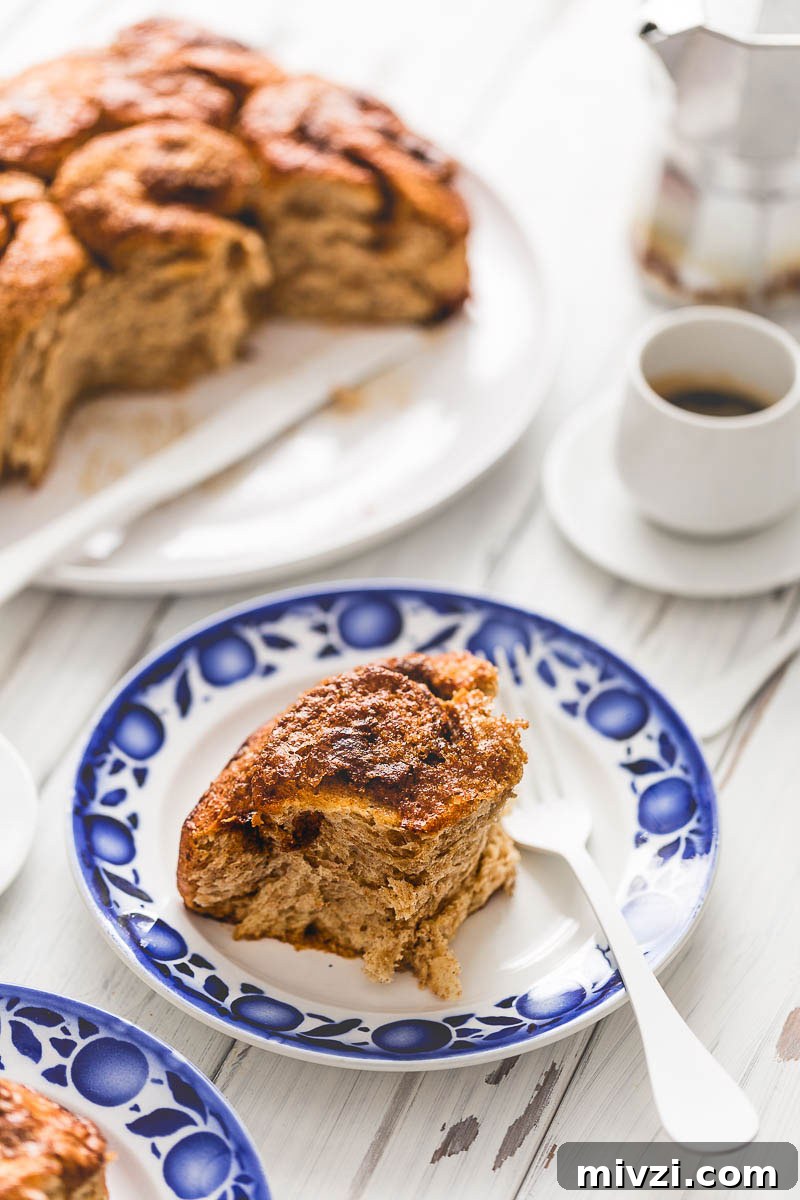
Our sense of smell can trigger powerful memories and emotions. Baking this spelt cinnamon bun cake proved that: the scent alone sent my senses into joyful overload. This recipe layers cinnamon and cardamom into warmed soy milk, producing a sweet, comforting bake rooted in Scandinavian tradition—and utterly hard to resist.
The Road Less Travelled.
When writing about food, it’s tempting to rely on familiar adjectives—simple, rich, tasty, easy. But good food writing seeks fresh expression. I aim for concise, vivid language that captures how a recipe feels and smells without falling back on clichés.
To describe this cake requires attention to detail and a genuine connection to the ingredients. Spelt, in particular, deserves careful handling. It’s gentler than modern wheat and responds differently in doughs, so I test recipes thoroughly to make sure they work as intended.
Follow the Scent.
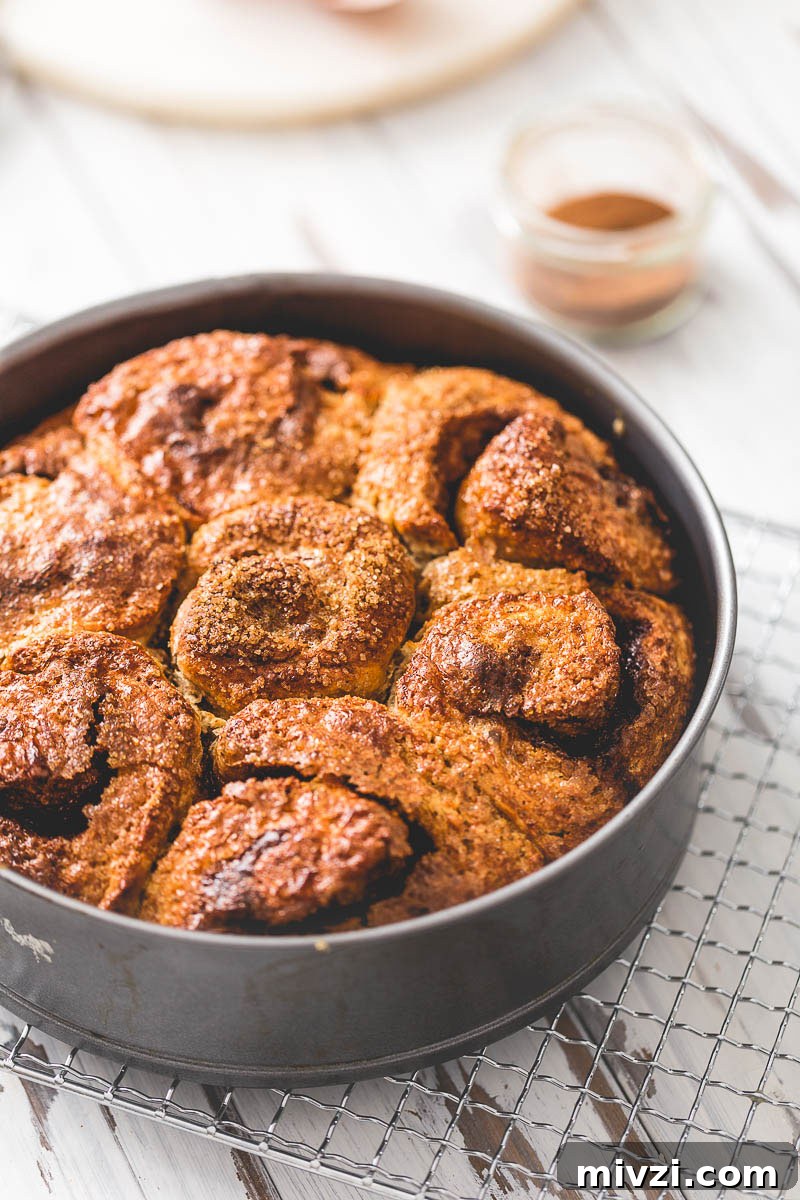
Real estate agents often suggest baking bread or brewing coffee to make a home feel welcoming. I recommend roasting green coffee beans for a pure sensory hit—or better yet, bake this spelt cinnamon bun cake. As it bakes, the house fills with warm, tender aromas that draw people toward the kitchen.
Earlier this week I tested this recipe to ensure the measurements and timings were precise. I’ve been building a collection of spelt and ancient grain recipes, and I take care that each formula suits spelt’s unique properties. Many recipes labeled “spelt” are simply standard wheat recipes with the flour swapped; those rarely succeed because spelt needs a gentler touch.
At the start of this recipe, the milk is warmed with butter and spices. Scalding milk briefly breaks down milk proteins, which can otherwise interfere with gluten development and the dough’s rise. Beyond chemistry, warmed milk acts as a flavour carrier: it absorbs and distributes cardamom and cinnamon through the dough.
An Olfactory Journey.
Infusing the milk is the recipe’s first aromatic moment. As butter melts into the milk with cardamom and cinnamon, it releases an enticing perfume you could almost drink—though you shouldn’t. When the milk cools, it offers a heady scent that promises the flavours to come.
After the first rise, lifting the damp tea towel reveals a rounded, lively ball of dough smelling faintly of yeast and spice. Rolling it out and spreading the butter, sugar and cinnamon ramps up the aroma. The scent intensifies as you shape the dough into logs and arrange the pieces in the tin.
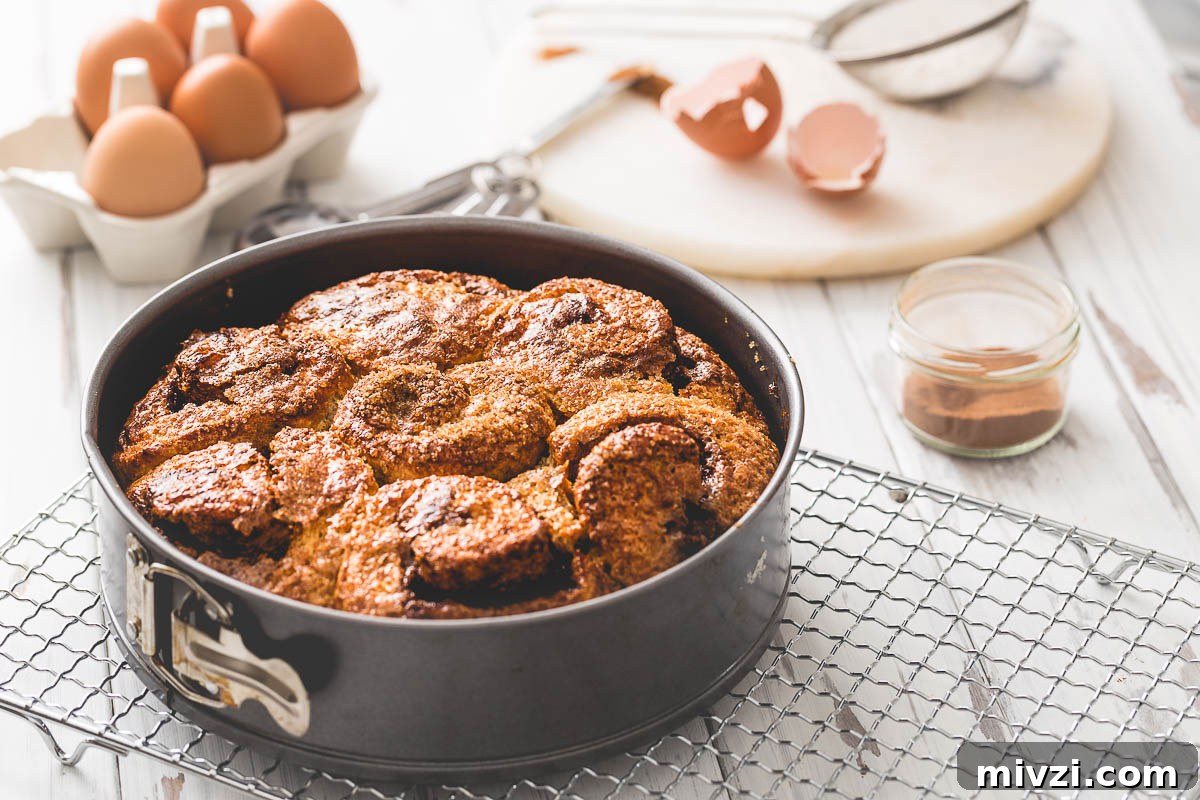
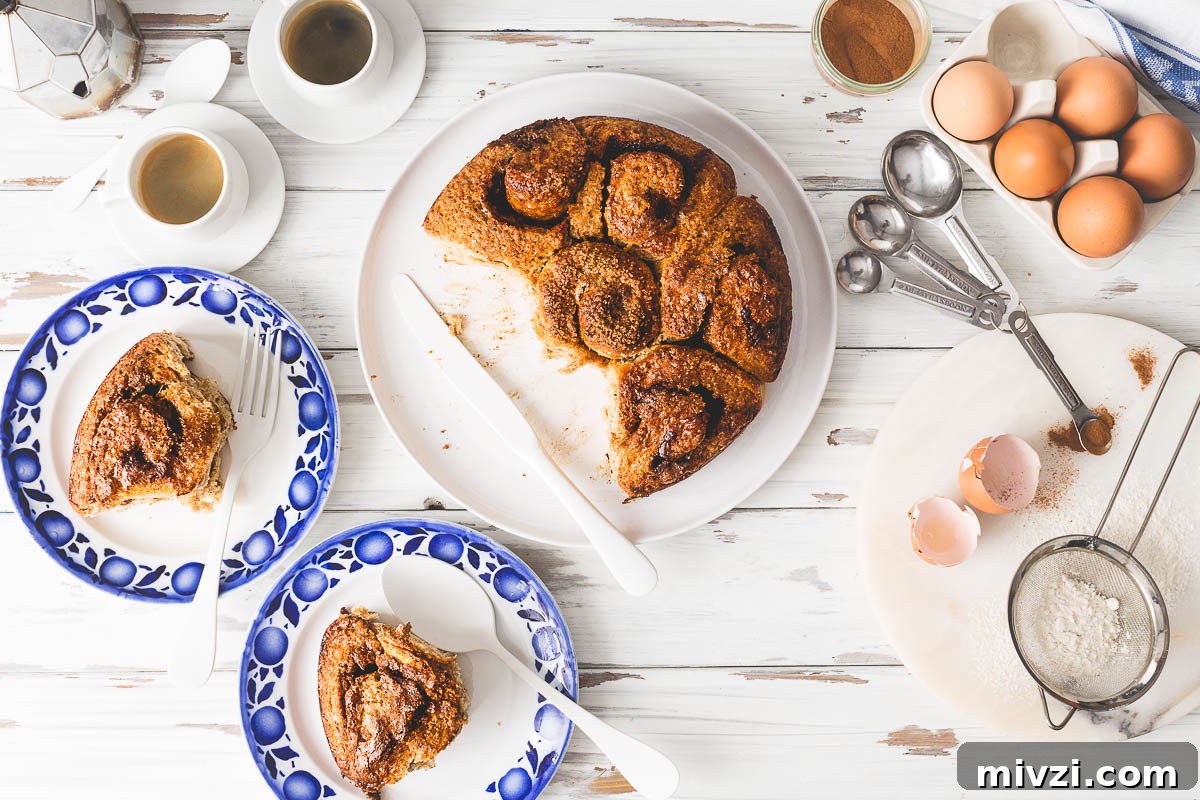
While the cake bakes, prepare for the scent to travel through the house and draw curious family and friends. The fragrance creates an immediate sense of warmth and familiarity; people will gather to see what’s baking and queue for a slice.
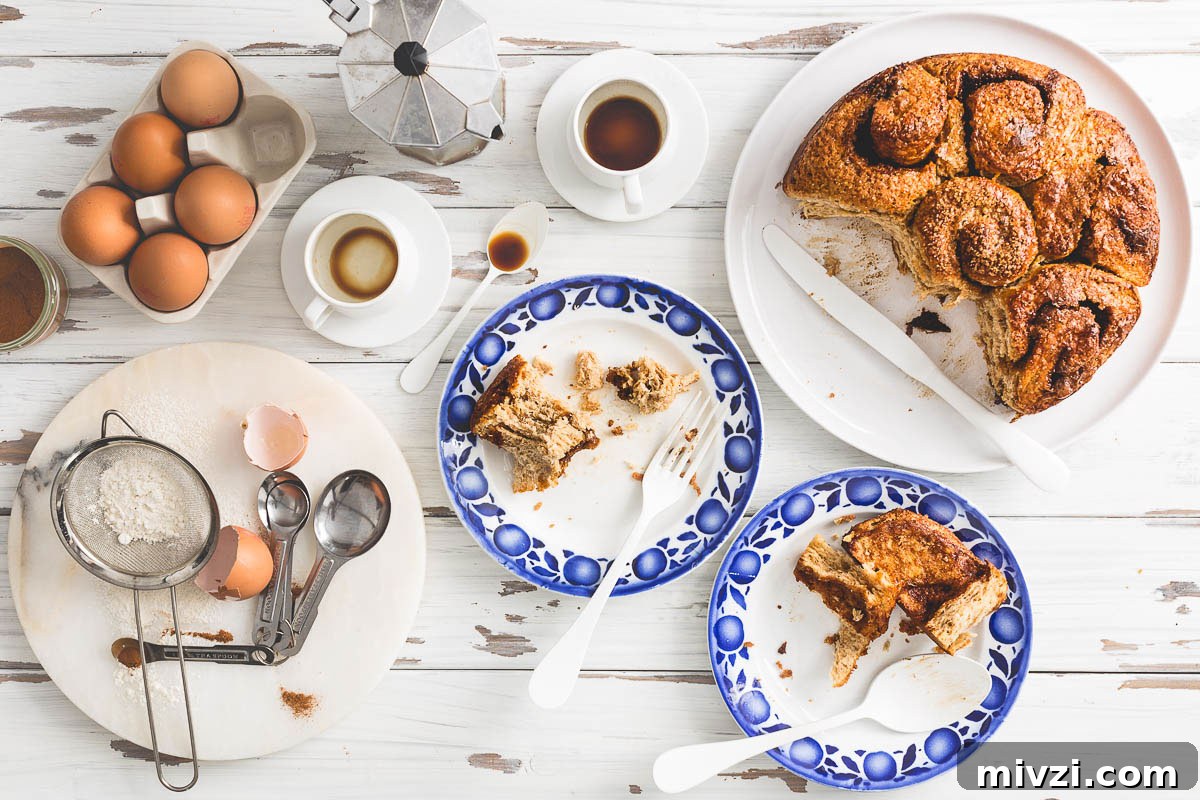
Although the cake is best at room temperature, resisting the urge to dig in while it’s still warm can be difficult—its aroma is that persuasive. When it has cooled slightly, the flavours will settle and each slice will reward the wait.
Spelt Cinnamon Bun Cake
By Gavin Wren
5/53
Makes 7
Uses 23cm springform cake tin. Wooden spoon. Large mixing bowl. Small saucepan. Bowl and bench scraper.
Ingredients
Spiced milk:
225ml soy milk
100g butter
1 teaspoon ground cardamom
0.5 teaspoon ground cinnamon
Dough:
225g wholemeal spelt
225g white spelt + extra for dusting
100g golden caster sugar
0.25 teaspoon salt
7g fast acting dried yeast
1 egg, beaten
Filling:
50g very soft butter
75g dark brown soft sugar
0.5 teaspoon ground cinnamon
0.25 teaspoon salt
Glaze:
1 egg, beaten
2 tablespoons demerara sugar
Directions
Warm the milk in a small saucepan with the butter, cardamom and cinnamon. Heat until just before boiling, then remove from the heat and allow to cool to body temperature. If you need to speed this up, sit the saucepan in a bowl of cold water.
Sift the dry dough ingredients into a large bowl. Add the beaten egg, then pour in the cooled spiced milk and mix with a spoon until combined.
The dough will be sticky and tacky—that’s expected. Turn it onto a floured surface, dust with a little more spelt flour, and knead gently. Use a bench scraper to gather the dough and continue dusting and kneading until it holds together as a sticky ball. I used about 30g extra flour in this step.
Place the dough in a lightly floured bowl, cover with a damp tea towel and leave in a warm spot (around 25ºC) for one hour.
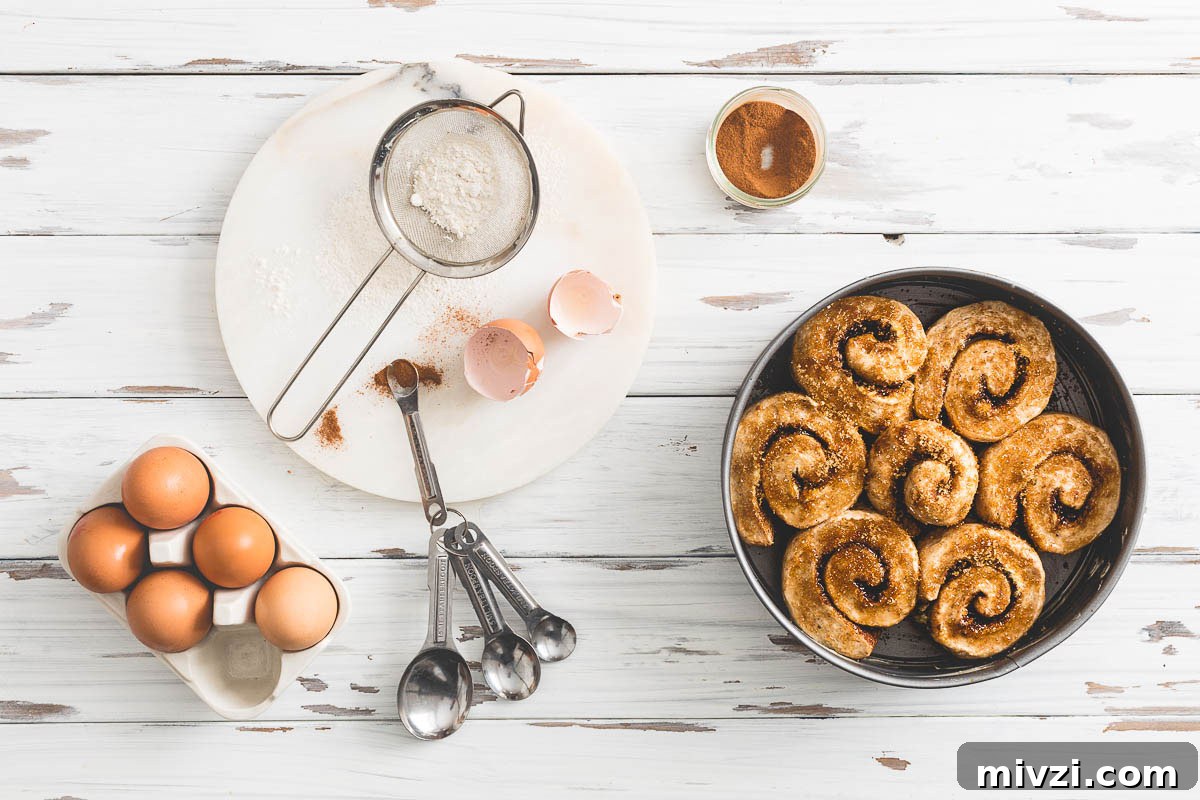
Grease a 23cm springform tin with butter. Turn the dough out onto a floured surface, knead three times, then roll to roughly A4 size, aiming for squared corners.
Spread the filling: soften the butter across the dough, sprinkle cinnamon and dark brown sugar evenly, making sure the corners are covered. Roll the dough from the long edge into a log, then slice into seven equal pieces. Place the largest slice in the center of the tin and arrange the remaining six around it.
Cover with a damp tea towel and proof in a warm place for 30 minutes. Preheat the oven: start hot, then reduce as directed below.
Remove the towel, brush the top with beaten egg (you won’t need it all) and scatter demerara sugar over the surface.
Place the tin in the middle of the oven and immediately reduce the temperature. Bake 10 minutes at a high initial temperature, then lower the oven and bake a further 15 minutes. Test by tapping the bottom of the tin; it should sound hollow. If needed, bake an additional five minutes.
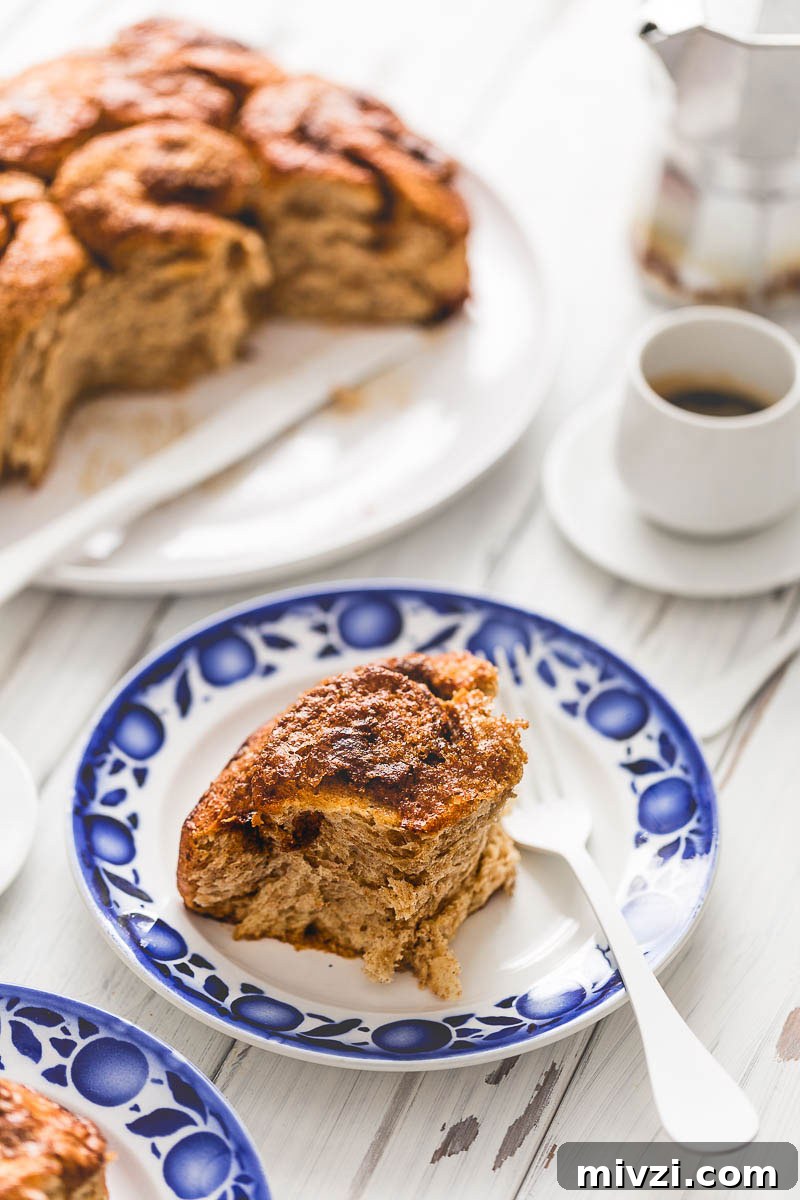
Remove from the oven and cool on a rack. When possible, remove the outer ring of the tin. Tear off a chunk and enjoy the lingering aroma and flavour.